
Overview
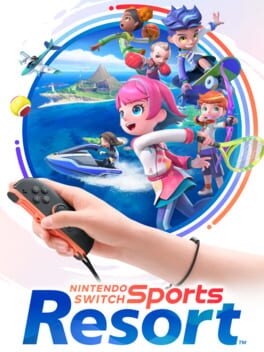
When Nintendo first unveiled Wuhu Island in 2009 as the sun‑drenched backdrop for Wii Sports Resort, it signaled a bold experiment: marrying the console’s motion‑control pedigree with a vibrant, open‑ended playground that could host a multitude of mini‑games. Over a decade later, that same island has been resurrected for the Switch, this time as the central hub of Nintendo Switch Sports Resort, a title that arrives at a pivotal moment in the console’s lifecycle. With the Switch now edging beyond its five‑year anniversary and the market awash in next‑gen hardware, Nintendo is leaning on its proven formula of accessible, socially‑driven experiences to keep the platform relevant, especially as the company grapples with a relatively thin slate of first‑party releases compared with its rivals.
The early critical response, as captured by a Metascore of 79 based on 46 reviews, suggests that the gamble is paying off. Reviewers have praised the game’s refined motion detection, the nostalgic return to Wuhu’s tropical vistas, and the breadth of new sporting disciplines that expand beyond the original Switch Sports offering. While the score does not eclipse blockbuster launches, it positions the title comfortably within the “generally favorable” band, an outcome that matters greatly for Nintendo’s fiscal outlook given the modest marketing budgets typically allocated to sports‑genre entries.
What Happened?
On Thursday, Nintendo officially released Switch Sports Resort worldwide, delivering a polished sequel that builds on the foundations laid by the 2022 Switch Sports launch. The game drops players back onto Wuhu Island, now populated with a refreshed roster of activities ranging from beach volleyball and snowboarding to a surprisingly deep competitive archery mode that leverages the Joy‑Con’s gyroscopic sensors. In addition to the core sports, Nintendo has woven a series of seasonal events and live‑service elements designed to sustain player engagement well beyond the initial launch window.
In a developer interview with Nintendo’s internal studio, director Hiroshi Matsumoto emphasized that the title was conceived as a “living playground” rather than a static collection of mini‑games. He highlighted the integration of online matchmaking, cross‑play between handheld and docked modes, and a suite of accessibility options that aim to broaden the demographic reach. The team also revealed that post‑launch support will include downloadable content that introduces new sports each quarter, a strategy that mirrors the episodic roll‑outs seen in titles like Rocket League and Fortnite.
Analysis
From a market perspective, Switch Sports Resort arrives at a juncture where Nintendo’s console sales have plateaued, and the company is increasingly dependent on software-driven revenue streams, including digital sales and subscription services such as Nintendo Switch Online. Sports titles historically generate steady, if not spectacular, sales because they appeal to casual households and can be played in short bursts—a perfect fit for the Switch’s hybrid nature. By achieving a respectable Metacritic score, the game is likely to capture a sizable share of the “family‑friendly” segment, bolstering Nintendo’s quarterly earnings and providing a buffer against the competitive pressure from Sony’s MLB The Show and EA’s FIFA franchise, which dominate the console sports market.
Technical considerations also play a crucial role. The Switch’s modest hardware capabilities have long limited developers from implementing high‑fidelity physics and expansive multiplayer ecosystems. However, Nintendo’s in‑house expertise in optimizing motion controls and low‑latency networking shines through in Sports Resort, showcasing that the platform can still deliver fresh, technically competent experiences without a generational hardware jump. This success may embolden other first‑party studios to revisit legacy IPs for the Switch, potentially revitalizing a pipeline of mid‑tier titles that can sustain the console’s relevance until the next hardware iteration.
XPLog Opinion
At XPLog UK we view Switch Sports Resort as a savvy, if not entirely groundbreaking, move that underscores Nintendo’s mastery of its niche: low‑barrier, socially oriented gaming that thrives on repeat play. The title’s warm reception validates the company’s decision to double‑down on its strengths rather than chase the high‑budget, high‑risk spectacles that dominate the PlayStation and Xbox ecosystems. Yet, the reliance on incremental updates and seasonal content also hints at a broader industry trend where even legacy franchises must adopt live‑service models to stay financially viable—a shift that may redefine how Nintendo approaches future flagship releases.
Final Thoughts
In sum, Nintendo Switch Sports Resort not only reaffirms the enduring allure of Wuhu Island but also serves as a strategic anchor for the Switch’s software portfolio as the console ages. With quarterly DLC slated for release throughout 2027 and a promised performance update in the upcoming Q4 Nintendo Direct, players and investors alike have clear milestones to watch. Whether the title can translate critical goodwill into sustained sales will be a key indicator of Nintendo’s ability to leverage its unique IP ecosystem in an increasingly service‑driven market.