
Overview
The latest ID@Xbox showcase, held in early October 2026, has once again demonstrated Microsoft’s unwavering commitment to the indie ecosystem, a pillar that has underpinned the growth of Xbox Game Pass since its inception. While the headline‑grabbing releases from first‑party studios continue to dominate conversation, the indie roster quietly expands the service’s breadth, offering a diversified library that appeals to both casual players and seasoned hobbyists. This year’s showcase arrived at a pivotal moment: the console market is experiencing a plateau in hardware sales, and subscription services have become the primary battleground for user retention. By foregrounding eight new indie titles for immediate Game Pass inclusion, Xbox is not merely filling a content pipeline but actively reshaping the value proposition of its subscription model.
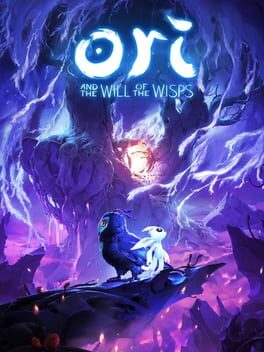
Historically, Microsoft’s indie strategy traces back to the 2018 launch of the ID@Xbox program, which democratized publishing on the console and later on the cloud‑based Xbox Game Pass. Over the past eight years, the initiative has produced breakout successes such as "Sea of Thieves" (initially an indie‑spun title) and "Ori and the Will of the Wisps," both of which migrated to Game Pass and generated substantial subscriber churn reduction. The October 2026 announcements build on that legacy, positioning indie games as a strategic counterweight to the increasingly crowded AAA release calendar and as a hedge against the volatility of large‑scale development cycles.
What Happened?
During the ID@Xbox event, Microsoft unveiled eight distinct indie projects slated for launch on Game Pass within the coming months. The slate includes a blend of genres—from narrative‑driven adventure "Echoes of Ember," a pixel‑art roguelike "Circuit Breaker," to a co‑op survival sandbox "Frontier Forge." Each title will be available from day one of its release, with no additional cost to existing Game Pass subscribers. The announcements were accompanied by developer commentary emphasizing the synergy between the platform’s cloud infrastructure and the games’ design philosophies, particularly the ability to push frequent updates without the friction of traditional patch cycles.
Beyond the titles themselves, Microsoft revealed a suite of developer support measures aimed at smoothing the transition from indie studio to Game Pass ecosystem. These measures include a revenue‑share model that favors lower upfront costs, dedicated technical assistance for cross‑play integration, and marketing boosts via curated storefront placements. Notably, the company highlighted its new "Pass‑First" pipeline, which guarantees that any ID@Xbox‑approved game entering the final development stage will automatically be slotted for Game Pass release, provided it meets quality benchmarks. This pipeline reflects a strategic intent to make Game Pass the default launch platform for indie releases, echoing the same approach that propelled titles like "Hades" onto the service in 2020.
Analysis
The infusion of eight indie games into Game Pass at once represents a calculated move to deepen content density ahead of the anticipated Q4 holiday spike, where subscriber churn historically spikes due to competing entertainment options. By bolstering the library with fresh, low‑budget titles, Xbox can sustain engagement metrics without the massive financial outlays required for AAA exclusives. Moreover, the indie focus aligns with broader market trends: players increasingly seek variety and discoverability, a niche that algorithm‑driven recommendation engines on subscription platforms can exploit more effectively than traditional storefronts.
From a competitive standpoint, Sony’s PlayStation Plus tiered model has struggled to match the breadth of Game Pass, especially in the indie segment where PlayStation’s curation has been more selective. Microsoft’s aggressive indie push could widen the gap, forcing Sony to either accelerate its own indie acquisition strategy or risk losing a segment of the core gamer demographic that values experimental, narrative‑rich experiences. Additionally, the technical integration of cloud streaming for these indie titles may set a precedent for future cross‑platform accessibility, potentially lowering the barrier for players without high‑end hardware to experience the full indie catalog.
XPLog Opinion
At XPLog UK we view the October indie showcase as a decisive statement that Microsoft is no longer treating indie games as a peripheral afterthought but as a central pillar of the Game Pass value chain; this shift not only future‑proofs the subscription against AAA development volatility but also cultivates a fertile ground for creative risk‑taking that can keep the Xbox brand culturally relevant among the most discerning gamers.
Final Thoughts
In sum, the eight indie titles slated for Game Pass this fall are more than a simple content update—they are a strategic lever designed to reinforce subscriber loyalty, broaden the platform’s appeal, and cement Microsoft’s reputation as the premier home for independent creativity. As the release dates roll out over the next quarter, observers should watch subscriber growth curves, engagement statistics, and the subsequent ripple effects on the broader console ecosystem, particularly as Sony and Nintendo respond to this intensified indie on‑ramp.