
Overview
PlayStation Plus has evolved from a simple online‑multiplayer add‑on into a multi‑tiered content platform that promises a rotating library of blockbuster titles, indie gems, and retro classics. Since the 2022 revamp, Sony has leaned heavily on high‑profile licensing deals to keep the service attractive, positioning it as a direct counter‑weight to Microsoft’s Game Pass, which has long boasted a deeper catalogue of first‑party releases. The monthly churn of titles—both additions and removals—has become a ritual for subscribers, influencing buying habits, resale markets, and even console resale values as gamers chase the “last chance to play” window for beloved games.
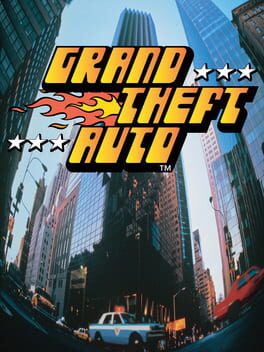
November 2026 arrives against a backdrop of tightening budgets for content licences and an increasingly fragmented console ecosystem. While the PlayStation 5 continues to dominate hardware sales in the West, the subscription war has intensified, with Xbox pushing exclusive cloud‑first experiences and Nintendo experimenting with legacy‑title bundles. In this climate, the departure of a flagship property such as Grand Theft Auto V, a title that has generated over $6 billion in revenue since its 2013 launch, is not merely a routine catalogue shuffle—it is a bellwether for how publishers and platform holders will negotiate value in the next decade of digital distribution.
What Happened?
In the latest “Last Chance to Play” announcement, Sony confirmed that GTA V will be removed from the PS Plus Extra tier at the close of the November 2026 cycle, joining a list of ten other titles that will also disappear from the service. The removal notice, first spotted in the PlayStation Store’s regional banners for the United Kingdom, United States, and Japan, lists the games in a terse format but carries the weight of a contractual expiration. Rockstar Games, the developer behind the Grand Theft Auto franchise, has historically negotiated multi‑year licensing windows with Sony, but the current agreement appears to be reaching its terminus without renewal, prompting the abrupt exit.
Accompanying the removal notice is a “Last Chance to Play” banner that encourages users to download the game before it vanishes from their library, a familiar tactic that Sony has employed for previous high‑profile exits such as Red Dead Redemption 2 and Horizon Zero Dawn. The banner’s visibility is limited to the aforementioned territories, reflecting Sony’s regional licensing strategy that often varies based on local market performance and regulatory considerations. While the announcement does not include a statement from Rockstar, a brief comment from Sony’s subscription team emphasizes that the service will continue to evolve, promising “fresh, high‑quality experiences” in upcoming months.
Analysis
The removal of GTA V underscores a growing tension between subscription platforms and premium content owners. Rockstar’s titles are among the most valuable assets in any digital catalogue, and the cost of retaining them on a subscription service can erode profit margins, especially when the revenue share model favours the platform holder. As Microsoft continues to bundle first‑party studios into its Game Pass ecosystem, Sony is forced to justify the inclusion of costly licences with subscriber growth metrics that have plateaued in mature markets. The loss of GTA V may therefore be a calculated sacrifice to free up budget for emerging IPs or to negotiate more favourable terms with other developers.
From a technical perspective, the departure also highlights the challenges of maintaining backward compatibility across console generations. GTA V, originally released on the PS 3, received a substantial overhaul for the PS 4 and later the PS 5, involving texture upgrades, frame‑rate boosts, and integration with the new UI. Each iteration required dedicated development resources from Rockstar, and the diminishing marginal returns on a title that has been on the platform for over a decade may have tipped the scales toward ending the licensing cycle. Looking forward, Rockstar’s recent focus on the “Rockstar+” subscription model suggests a strategic pivot: by curating its own library, the studio can retain direct revenue streams and avoid the dilution of brand value that can accompany third‑party bundling.
XPLog Opinion
At XPLog we view the GTA V exit as a stark reminder that subscription services are not immune to the economics of high‑cost licences; they are, in fact, increasingly vulnerable as flagship franchises become the primary bargaining chips in an industry where content is king. Sony’s reliance on legacy blockbusters to fill its catalogue may have bought time, but the long‑term health of PlayStation Plus hinges on securing a pipeline of exclusive, next‑gen experiences that can’t be poached by rivals. If Sony fails to replace the cultural gravitas of GTA V with comparable headline draws, we risk a gradual erosion of subscriber loyalty, especially among the core gamer demographic that values ownership‑like access to evergreen titles.
Final Thoughts
The November 2026 roster shake‑up serves as both a cautionary tale and a catalyst for change: publishers will increasingly scrutinise the value of licensing their marquee IPs to subscription platforms, while platform holders must diversify their content strategies to stay competitive. Keep an eye on Sony’s upcoming December update, where the company is expected to unveil a slate of new releases aimed at filling the void left by GTA V, and watch for any statements from Rockstar regarding the future of its own subscription ambitions. The next few months will reveal whether PlayStation Plus can adapt its model or whether the loss of such a juggernaut will signal a broader shift in how premium games are monetised in the subscription era.