
Overview
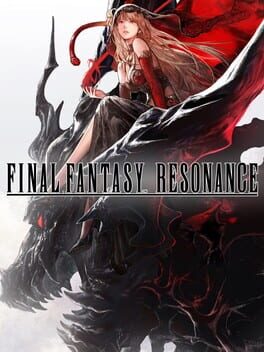
Square Enix has once again turned its gaze toward the nostalgic allure of hand‑crafted pixel art, this time marrying it with cutting‑edge high‑definition rendering to produce the HD‑2D aesthetic that first dazzled audiences with Octopath Traveler. The decision to revive that visual language for Final Fantasy Resonance arrives at a moment when the industry is wrestling with the twin pressures of hardware saturation and the relentless march toward service‑based ecosystems. Xbox, having spent the past few years bolstering its portfolio with both first‑party studios and strategic indie partnerships, sees a title of this pedigree as a bridge between legacy fans and the newer, subscription‑driven audience that Xbox Game Pass is cultivating.
Set for a Thursday launch across both current‑gen and next‑gen hardware, Resonance is being rolled out simultaneously on Xbox Series X|S, PlayStation 5, and the revamped Nintendo Switch 2. The timing is no accident; it aligns with the closing window of the 2026 holiday shopping season, a period traditionally dominated by blockbuster releases that often eclipse mid‑tier RPGs. By offering a free, fully playable demo on Xbox, Square Enix and Microsoft are betting that hands‑on exposure will convert curious newcomers into long‑term subscribers, a tactic that mirrors the successful rollout of titles like Forza Horizon 6 and the recent indie darling, Stray.
What Happened?
The announcement, first reported by PureXbox, highlighted an impressive suite of review scores that already place Resonance in the upper echelon of the franchise’s modern entries: 9.5/10 from one outlet, 9/10 from another, and a solid 8/10 from a third, all based on early Xbox builds. While the bulk of critical coverage has centered on the PlayStation and Switch versions, the Xbox scores suggest that the game’s performance and visual fidelity have been carefully tuned to the console’s architecture, leveraging the GPU’s ray‑tracing capabilities to enhance the HD‑2D palette without sacrificing frame‑rate stability.
Beyond the numbers, the developer’s statement underscored a commitment to narrative depth and mechanical refinement, promising a “next‑generation RPG experience that honors the series’ legacy while pushing its storytelling boundaries.” The free Xbox demo, released a week ahead of launch, offers players a taste of the opening chapter, complete with a fully functional combat system and a glimpse of the world’s sprawling, hand‑drawn environments. Marketing materials also emphasize cross‑play compatibility for multiplayer side‑quests, a first for a mainline Final Fantasy title, hinting at a broader strategy to keep the community engaged long after the initial launch window.
Analysis
From a market perspective, Resonance’s entry onto Xbox could serve as a catalyst for rebalancing the long‑standing PlayStation‑centric perception of the Final Fantasy franchise. Historically, Square Enix’s flagship releases have debuted as timed exclusives on Sony hardware, leveraging the platform’s strong RPG fanbase. By delivering a simultaneous launch with comparable review scores, Xbox not only gains a marquee title for its ecosystem but also strengthens its negotiating position for future third‑party collaborations, potentially encouraging other Japanese developers to consider multi‑platform parity over platform‑first strategies.
The technical execution of HD‑2D on both current‑gen and next‑gen hardware also signals a maturation of the art style’s pipeline. Early adopters of the style noted performance bottlenecks on older consoles, but Resonance appears to have optimized texture streaming and shader complexity to run smoothly even on the Series S. This technical win could inspire a new wave of indie studios to adopt the HD‑2D aesthetic, knowing that it can now be delivered at a high quality across a broad hardware spectrum, thereby expanding the visual vocabulary of the indie market.
XPLog Opinion
At XPLog UK we view Final Fantasy Resonance as a pivotal moment for the Xbox brand: it proves that the console can attract premium, narrative‑driven experiences without sacrificing the indie‑friendly ethos that has defined its recent years. The decision to pair a free demo with a robust launch slate demonstrates a sophisticated understanding of modern player acquisition—one that values experiential sampling over traditional advertising. Should the title sustain its critical momentum post‑launch, we expect it to become a cornerstone of the Xbox Game Pass library, driving both subscriber growth and deeper engagement across the console’s diverse audience.
Final Thoughts
In sum, the arrival of Final Fantasy Resonance on Xbox represents more than just another entry in a storied franchise; it is a strategic inflection point that could reshape platform loyalties, validate the HD‑2D pipeline, and reinforce Microsoft’s commitment to delivering high‑profile, cross‑generational experiences. Players should keep an eye on the official launch day this Thursday, the upcoming post‑launch content roadmap, and the quarterly earnings calls where Square Enix will likely reference Resonance’s performance as a barometer for its future multi‑platform strategy.