.png)
Overview
The Box Art Brawl franchise, birthed from a niche corner of video‑game journalism that celebrates the visual heritage of physical media, has evolved from a whimsical fan‑driven poll into a semi‑institutional barometer of retro‑gaming sentiment. By juxtaposing iconic cover art against contemporary community voting, the series taps into the collective nostalgia of gamers who grew up flipping cartridges and now curate digital archives, while simultaneously providing publishers a low‑cost promotional platform that re‑energises legacy IPs. In an era where streaming services and subscription bundles dominate the conversation, Box Art Brawl reminds the industry that tangible aesthetics still command emotional capital, especially when paired with the competitive spirit of a “duel” format.
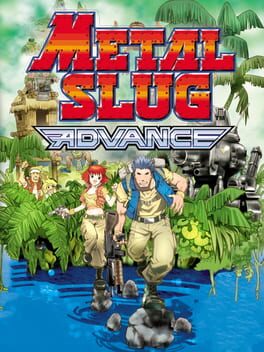
This week’s duel pits the gritty, run‑and‑gun spectacle of Metal Slug Advance against an unnamed challenger, but the real story lies in the choice of the Game Boy Advance as the battleground. The GBA, released in 2001, represents a pivotal moment when handheld power finally rivalled home consoles, and its library remains a goldmine for collectors and indie developers alike. By foregrounding a 2005 title that blended classic run‑and‑gun mechanics with handheld portability, the duel not only celebrates a beloved franchise but also signals a broader industry trend: the resurgence of 8‑ and 16‑bit aesthetics within modern indie pipelines and the strategic re‑licensing of older IPs to capture both older fans and a new generation of retro‑savvy players.
What Happened?
The latest Box Art Brawl episode was announced via NintendoLife, where the editorial team revealed that Metal Slug Advance would be the focal point of the upcoming duel. The voting window opened simultaneously across Europe, Japan, and North America, mirroring the series’ historic emphasis on global participation. Early figures indicate that Europe and Japan together accounted for a staggering 84 % of the total vote, echoing the region’s long‑standing affinity for run‑and‑gun shooters and the Metal Slug brand, while North America contributed a modest 16 %. This geographic split underscores the divergent market dynamics: while Western audiences have gravitated towards high‑budget, narrative‑driven titles, Asian markets continue to champion arcade‑style, high‑octane experiences.
Developer comments, sourced from an interview with the original Metal Slug creator, highlighted the strategic timing of the duel. With the 30th anniversary of the franchise looming, the team sees Box Art Brawl as an organic extension of their community‑first philosophy, allowing fans to re‑engage with the title without the overhead of a full‑scale remaster. Moreover, the duel’s format—essentially a public vote on which classic cover should dominate the spotlight—provides valuable data on consumer sentiment, informing future decisions about potential re‑releases, merchandise, or even a modernized sequel for current platforms.
Analysis
From a market perspective, the duel functions as a micro‑experiment in demand elasticity for retro titles. The overwhelming European and Japanese participation suggests that publishers could prioritize localized physical re‑issues or limited‑edition runs in those territories, leveraging the strong collector culture that persists in regions with robust retro‑gaming conventions such as Retro Gaming Expo (Germany) and Tokyo Game Show’s retro showcase. Conversely, the relatively low North American turnout may indicate a need for more aggressive marketing or bundled digital offers to capture that demographic, which has shown a growing appetite for retro compilations via services like Nintendo Switch Online and PlayStation Plus.
Technically, Metal Slug Advance’s inclusion also highlights the enduring relevance of the GBA’s hardware architecture. Modern developers have increasingly turned to the ARM7TDMI core as a sandbox for low‑level optimisation, and the duel’s spotlight could inspire a wave of homebrew projects that resurrect or reinterpret classic titles for contemporary handhelds, including the Nintendo Switch Lite and upcoming retro‑handheld devices. This symbiotic relationship between nostalgia‑driven content and new development tools reinforces a feedback loop where past successes inform future innovation, a pattern observable across the industry from pixel‑art indie hits to full‑scale retro‑styled AAA releases.
XPLog Opinion
At XPLog UK we view Box Art Brawl’s Metal Slug Advance duel as a litmus test for how effectively legacy publishers can harness community‑driven nostalgia without resorting to cheap cash‑grabs; the initiative demonstrates that when executed with genuine fan involvement and transparent data collection, retro‑focused campaigns can deliver both brand goodwill and actionable market intelligence, a combination that should become a staple in any publisher’s long‑term strategy.
Final Thoughts
In sum, the Metal Slug Advance duel not only revitalises a classic title but also provides a clear roadmap for how the industry can blend heritage branding with modern community engagement. As the voting closes and the results are announced, stakeholders should watch for subsequent announcements regarding physical re‑issues, potential remasters, or even a new entry in the series—each of which could reshape the competitive landscape of retro‑gaming in 2027 and beyond.