Overview
The gaming community finally breathes a collective sigh of relief as the weekend arrives, and with it comes a surge of excitement that has been conspicuously absent since the lull of the previous week. After a period of quiet on Nintendo’s front, the company has re‑ignited the conversation with a series of announcements that signal a strategic push to leverage its most treasured intellectual property at a time when the market is hungry for nostalgic yet refreshed experiences.
What makes this moment particularly compelling is the timing: Nintendo is on the cusp of unveiling its next‑generation hardware, informally dubbed the Switch 2, and the decision to showcase a full‑blown preview of *The Legend of Ocarina of Time*—the title that defined 3D adventure gaming in 1998—acts as both a celebration of legacy and a bold statement of intent. Historically, Nintendo has revisited its classics, from the 2002 *Ocarina of Time* 3DS remake to the *Wind Waker* HD edition, each iteration serving as a barometer for the company’s ability to blend reverence with innovation. In the current climate, where Sony leans heavily on narrative‑driven exclusives and Microsoft expands its cloud‑first strategy, Nintendo’s reliance on a flagship franchise to anchor its next hardware generation is a calculated risk that could reshape console loyalties.
What Happened?
The centerpiece of this week’s news cycle is the release of an extensive preview package that includes a brand‑new overview trailer and more than twenty minutes of uninterrupted gameplay footage from *Ocarina of Time* as it will appear on the forthcoming Switch 2. The footage, presented at a high frame rate with enriched textures and a widened field of view, demonstrates Nintendo’s commitment to preserving the game’s iconic design while exploiting the raw power of the new console’s GPU and faster SSD. Developer commentary, captured in the accompanying press release, emphasized a “faithful yet refreshed” approach, promising that core puzzles, combat mechanics, and the beloved musical instrument will remain untouched, even as lighting, environmental effects, and character models receive a modern polish.
Beyond the visual showcase, Nintendo outlined a tentative release window aimed at the holiday season, positioning the title as a marquee launch title that will drive early adoption of the Switch 2. The company hinted at integration with its evolving online ecosystem, suggesting that players will be able to share their in‑game melodies via a revamped social platform, and that downloadable content could extend the narrative with side quests that explore previously untold chapters of Hyrule’s mythology. These strategic moves underscore Nintendo’s desire to not only revive a beloved classic but also to embed it within a broader, service‑oriented future that could sustain the console’s lifespan.
Analysis
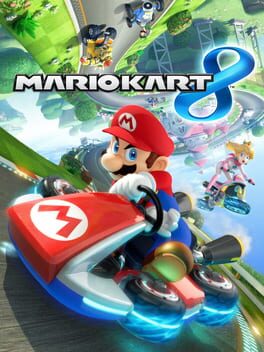
From a market perspective, the decision to anchor the Switch 2 launch with a high‑profile, nostalgia‑driven title is a double‑edged sword. On one hand, the *Ocarina of Time* brand carries immense weight; its legacy sales have consistently outperformed many contemporary releases, and its presence on a next‑gen platform is likely to catalyze pre‑orders, especially among collectors and long‑time fans who have been yearning for a definitive HD experience. This mirrors the success Nintendo saw with the *Mario Kart 8 Deluxe* launch on the original Switch, where a familiar franchise drove hardware adoption and contributed to the console’s record‑breaking sales. On the other hand, the reliance on a single marquee title may expose Nintendo to volatility if the execution falls short of the lofty expectations set by the original, potentially eroding consumer confidence in the platform’s broader library.
Technical considerations also loom large. Porting a game originally built for the Nintendo 64’s limited hardware to a modern architecture entails more than a simple texture swap; developers must reconstruct the game’s physics, audio engine, and AI to function seamlessly at higher resolutions and frame rates. Moreover, Nintendo’s commitment to backward compatibility and cross‑play between the Switch 2 and existing Switch units introduces additional layers of complexity, as the game must run flawlessly across divergent hardware specifications. Successfully navigating these hurdles could set a new benchmark for how legacy titles are revitalized, encouraging other publishers to invest in similar remasters, thereby enriching the overall ecosystem and fostering a more vibrant indie‑to‑AAA pipeline.
XPLog Opinion
At XPLog UK, we view Nintendo’s strategic gamble as a masterstroke that leverages emotional capital to secure a foothold in an increasingly fragmented console market. By resurrecting *Ocarina of Time* with a meticulous eye for both fidelity and innovation, Nintendo not only pays homage to its own heritage but also signals to developers that the Switch 2 will be a viable platform for premium, narrative‑driven experiences—something that has been conspicuously lacking in the current generation’s indie‑first narrative. If Nintendo can deliver on its promises, the move will likely ripple across the industry, prompting competitors to revisit their own back catalogs and perhaps igniting a renaissance of high‑quality remasters that respect the source material while embracing modern technology.
Final Thoughts
In sum, the unveiling of *The Legend of Ocarina of Time* for the Switch 2 stands as a pivotal moment that intertwines Nintendo’s storied past with its ambitions for the future, offering a litmus test for how legacy content can drive next‑gen adoption. As the holiday window approaches, eyes will be on Nintendo’s ability to translate reverence into technical excellence, and on the broader industry’s response to a strategy that places heritage at the heart of hardware evolution. Keep a watchful eye on official launch dates slated for Q4 2026 and the subsequent rollout of post‑launch content, which will ultimately determine whether this revival reshapes the console battleground or remains a nostalgic footnote.
.png)
 XPLog
17 Oct 2026
5 min read
XPLog
17 Oct 2026
5 min read