.png)
Overview
The industry’s calendar has mutated beyond recognition. What was once a tightly‑packed November rush now stretches from August through March, a season that feels more like a marathon than a sprint. This elongated window reflects both the growing appetite for high‑budget blockbusters and the strategic desire of publishers to avoid the historic “holiday cliff” that left many mid‑tier titles orphaned. In the chilly October of 2026, gamers are already bundling hoodies with their launch‑day notifications, preparing for a wave of releases that span horror remakes, next‑gen open‑world sagas, and daring revivals of beloved franchises.
Compounding the calendar shift is the unprecedented surge of legacy titles receiving modern makeovers on the newest hardware. Nintendo’s Switch 2, with its hybrid flexibility and upgraded GPU, has become the preferred platform for flagship remasters, exemplified by the freshly ported Resident Evil 2, 3 and 4 collections. Simultaneously, Sony and Microsoft are courting the same nostalgic demographic with their own high‑fidelity revivals, creating a competitive triangle where legacy content is as lucrative as brand‑new IP. This confluence of schedule expansion and retro‑centric strategy sets the stage for the weekend’s headline announcements.
What Happened?
Rockstar Games unleashed the final, and undeniably salacious, trailer for Grand Theft Auto VI at the end of last week. The cut‑scene, drenched in neon‑lit Los Santos nightscapes, teases a darker, more politically charged narrative than any of its predecessors, featuring a multi‑city heist that intertwines corporate espionage with street‑level gang warfare. The trailer’s most talked‑about moment—a near‑violent confrontation on a floating casino platform—has already sparked a flood of meme‑culture reactions and speculative analysis about the game’s online component, which Rockstar hints will be “live at launch.” The visual fidelity, coupled with a soundtrack that blends synthwave with contemporary hip‑hop, signals a deliberate attempt to capture both the nostalgia of long‑time fans and the sensibilities of a younger, streaming‑oriented audience.
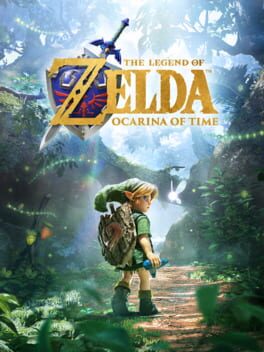
While GTA VI dominates the headlines, the weekend also delivered a slew of other noteworthy milestones. Konami’s Castlevania: Belmont’s Curse, crafted by the indie studio behind Dead Cells, received a glowing review that praised its “rich world” and “rewarding boss encounters,” positioning it as a potential catalyst for a new era of 2D‑action revival. Meanwhile, Nintendo previewed the 2026 remake of The Legend of Zelda: Ocarina of Time, promising a “beautiful step back in time” that marries the original’s timeless design with cutting‑edge ray‑tracing and adaptive triggers. On the horror front, Capcom’s Resident Evil remasters on Switch 2 demonstrate how the handheld market can now comfortably host AAA‑grade experiences, expanding the console’s appeal beyond its traditional family‑friendly niche. Together, these announcements illustrate a market that is simultaneously looking forward and reaching back.
Analysis
The GTA VI trailer is more than a promotional tease; it is a bellwether for the next wave of console‑generation revenue. Rockstar’s decision to embed a robust, live‑service component at launch reflects an industry‑wide pivot toward perpetual monetisation, a model that has already proven profitable for titles like Fortnite and Apex Legends. By aligning this approach with a narrative that tackles contemporary sociopolitical themes, Rockstar is positioning GTA VI as both a cultural conversation starter and a long‑term financial engine. This strategy will inevitably pressure Sony and Microsoft to accelerate their own live‑service roadmaps, potentially reshaping the competitive dynamics of the console ecosystem for the remainder of the decade.
Equally significant is the resurgence of legacy franchises on next‑gen hardware. The success of the Resident Evil remasters on Switch 2 underscores a growing consumer willingness to invest in high‑quality ports of classic games, even on platforms traditionally viewed as lower‑spec. This trend encourages developers to allocate resources toward cross‑generational optimisation rather than exclusively chasing brand‑new IP. Moreover, the synergy between indie studios and established franchises—as seen with Castlevania’s partnership with the Dead Cells team—demonstrates a hybrid development model that blends fresh design philosophies with familiar aesthetics, a formula that could become a mainstay in the post‑2025 publishing playbook.
XPLog Opinion
From XPLog’s perspective, the confluence of a blockbuster open‑world finale and a wave of meticulously crafted revivals signals a bifurcated market that rewards both spectacle and craftsmanship. GTA VI will set the revenue benchmark for the next three years, but it is the quieter, quality‑driven releases—Belmont’s Curse, Ocarina of Time’s remake, and the Resident Evil Switch 2 ports—that will sustain player engagement during the inevitable post‑launch lull. Publishers that can balance these twin pillars—high‑octane, live‑service titans and lovingly re‑engineered classics—will dominate the conversation and, more importantly, the wallets of the core gamer demographic.
Final Thoughts
In sum, this weekend’s announcements encapsulate a pivotal moment: a marquee title that redefines the financial architecture of AAA releases, and a suite of heritage projects that prove nostalgia can be a profitable, technically ambitious pursuit. Gamers should mark their calendars for GTA VI’s official launch in early 2027, while keeping an eye on the upcoming Q4 patches for the Resident Evil remasters and the full release of Castlevania: Belmont’s Curse in November. As the release season stretches further into the year, the industry’s ability to juggle blockbuster hype with substantive, quality-driven content will determine who truly commands the next chapter of console warfare.