.png)
Overview
Xbox entered the second quarter of 2026 with a market environment that feels both familiar and unsettlingly new. After a year of supply‑chain turbulence, the console ecosystem has been reshaped by the aggressive rollout of cloud‑first titles and the lingering after‑effects of the generational hand‑over from Series X|S to the yet‑unannounced next‑gen hardware. Within this context, Microsoft’s decision to unleash a nine‑title launch window on a single Friday is more than a promotional splash—it is a strategic maneuver designed to cement Xbox’s relevance amid fierce competition from Sony’s PlayStation 6 launch cadence and Nintendo’s hybrid console innovations.
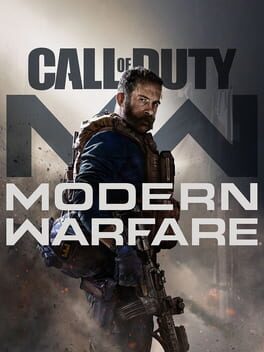
Historically, Microsoft has leveraged “launch day overload” as a means of driving ecosystem lock‑in, a tactic dating back to the 2013 Xbox One launch when a slate of exclusive titles attempted to offset the console’s initial price‑point backlash. The current wave, however, is distinguished by the inclusion of a high‑profile early‑access campaign for Call of Duty: Modern Warfare 4, a franchise that has long served as a bellwether for console health. By granting pre‑order purchasers immediate entry into the campaign, Microsoft is not merely rewarding spenders; it is testing the elasticity of the Early Access model on a console platform traditionally dominated by complete releases.
What Happened?
At precisely 10 am PDT (6 pm BST) on October 16, nine Xbox titles became available for download, ranging from indie gems to blockbuster sequels. The headline act, Call of Duty: Modern Warfare 4, entered a limited‑time Campaign Early Access window for anyone who secured a digital pre‑order. This early window grants players a roughly 48‑hour head start on the narrative campaign before the full launch later in the month, a move that mirrors the PC‑centric early‑access culture but is rare for console‑first shooters. Microsoft’s press release emphasized that the early access experience is “fully integrated” with Xbox Live services, promising seamless progression saves and cross‑progression with the eventual full release.
Alongside Modern Warfare 4, the rollout featured six additional titles—ranging from a new entry in the Halo franchise to a surprise indie collaboration that leverages Xbox’s Game Pass ecosystem. The final game in the bundle is a remastered classic, positioned to attract legacy fans and bolster the day‑one sales figures that analysts have been tracking closely. Each title was accompanied by a curated marketing push across social platforms, with Microsoft highlighting the “nine‑in‑one” nature of the drop as a testament to the breadth of its first‑party pipeline and third‑party partnerships.
Analysis
The decision to bundle nine releases on a single day carries both immediate revenue potential and longer‑term ecosystem implications. From a financial standpoint, front‑loading sales can inflate quarterly earnings, a metric Microsoft is keen to showcase ahead of its upcoming earnings call. More importantly, the Early Access model for a flagship franchise like Call of Duty serves as a litmus test for player tolerance of fragmented releases—a practice that has been met with mixed reception on PC and mobile platforms. Should the early access window generate positive sentiment, it could pave the way for a hybrid release strategy where narrative-driven games adopt staggered content drops, extending the commercial life cycle and deepening engagement metrics such as Daily Active Users (DAU) on Xbox Live.
Competitively, Sony has traditionally shied away from early‑access experiments, preferring polished, full‑release titles to safeguard its premium brand perception. By contrast, Microsoft’s gamble may force Sony to reconsider its own rollout cadence, especially as PlayStation’s own exclusive slate faces development delays. Moreover, the integration of these titles with Xbox Game Pass amplifies the strategic significance: a broader, more diverse library at launch reinforces the subscription’s value proposition, potentially accelerating subscriber growth in markets where console sales have plateaued.
XPLog Opinion
From XPLog’s perspective, the nine‑game blitz is a bold declaration that Xbox is no longer content to play catch‑up; it is actively reshaping how content is delivered on consoles. While the Early Access model risks alienating purists who demand a finished product, the potential upside—sustained narrative momentum, increased player retention, and a richer Game Pass catalog—outweighs the drawbacks. If Microsoft can fine‑tune the balance between accessibility and completeness, it will set a new industry benchmark that could reverberate across all major platforms.
Final Thoughts
In sum, the October 16 launch represents a pivotal moment for Xbox’s strategic trajectory, marrying aggressive content volume with experimental distribution methods. Players should keep an eye on the community response to Modern Warfare 4’s early access, the subsequent performance of the accompanying titles, and the forthcoming Q4 earnings report, where Microsoft is expected to reveal the financial impact of this ambitious release strategy. The outcomes will likely inform not only Xbox’s roadmap but also the broader console market’s approach to launch windows and early‑access experiments in the years to come.