.png)
Overview
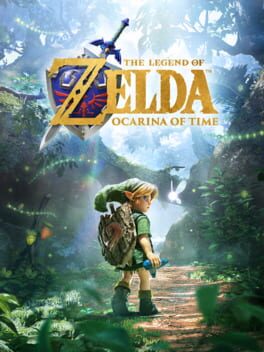
The Legend of Zelda: Ocarina of Time has been a cultural touchstone since its 1998 debut on the Nintendo 64, shaping the very language of 3D action‑adventure design and establishing a benchmark for narrative ambition in video games. As Nintendo prepares the highly anticipated Switch 2, the company is leaning into the nostalgia that still fuels the franchise’s global fanbase, and the latest announcement – a replica N64 box for the upcoming Ocarina of Time Switch 2 release – is a clear signal that the publisher intends to turn that nostalgia into a tangible collector’s experience.
In the current console generation, physical collectibles have resurged as a counter‑trend to the digital‑first mindset that dominates PlayStation and Xbox ecosystems. Limited‑edition packaging, art books, and region‑specific bonuses have become strategic revenue streams, especially in markets like France where collector culture is deeply entrenched. By offering a meticulously recreated N64‑era case, Nintendo not only pays homage to the original hardware but also taps into a lucrative niche that can boost hardware adoption for the Switch 2 while reinforcing the brand’s heritage‑driven identity.
What Happened?
Earlier this week Nintendo confirmed that a special “Replica N64 Box” will accompany the French launch of Zelda: Ocarina of Time for the Switch 2. The packaging mirrors the iconic gray plastic shell of the 1998 cartridge, complete with faux label art, a miniature cartridge insert, and a set of collectible stickers that replicate the original game’s branding. Retailers in France have already begun advertising midnight launch events, promising that the first wave of copies will be distributed on a strict “first‑come, first‑served” basis, heightening the sense of urgency among fans.
According to a brief statement from Nintendo’s European marketing team, the limited‑edition box is part of a broader “global nostalgia campaign” that will see region‑specific bonuses roll out in tandem with the Switch 2’s staggered release schedule. While the French market receives the N64 replica, other territories are slated to receive exclusive art prints or in‑game content, ensuring that the collector’s appeal is not confined to a single geography. The company has not disclosed exact production numbers, but insiders suggest the run will be intentionally scarce to preserve its premium status.
Analysis
This move reflects Nintendo’s calculated gamble on scarcity as a driver of both hardware and software sales. By bundling a nostalgic physical artifact with a flagship title, Nintendo can extract additional margin from hardcore fans who are willing to pay a premium for authenticity. The strategy also positions the Switch 2 as more than a mere hardware upgrade; it becomes a cultural event that leverages the emotional weight of one of gaming’s most revered titles. Competitors such as Sony and Microsoft have largely focused on subscription services and cross‑platform play, leaving a gap that Nintendo can fill with tangible, heritage‑rich experiences. However, the limited nature of the box could also alienate players who miss out, potentially fueling secondary‑market price inflation and sparking community frustration if the rollout is perceived as uneven.
XPLog Opinion
From XPLog’s perspective, Nintendo’s decision to resurrect the N64 packaging is a masterstroke of brand storytelling, but it walks a fine line between clever marketing and exclusionary practice. The reverence for Ocarina of Time is undeniable, and providing a collector’s item that physically embodies that reverence deepens the emotional bond with the franchise. Yet, the scarcity model risks turning a celebration of legacy into a gate‑keeping exercise that may erode goodwill among the broader player base, especially if the limited run fuels price gouging on resale platforms.
Final Thoughts
As the Switch 2 launch window narrows, the replica N64 box will serve as both a barometer of Nintendo’s collector‑centric strategy and a litmus test for how far the company can push nostalgia without alienating its audience. Keep an eye on the official release date in late October for the French market, and watch for subsequent regional bonuses that could reshape the conversation around physical collectibles in an increasingly digital age.