.png)
Overview
Since its modest launch in early 2022, Nintendo Music has evolved from a curiosity for completists into a calculated pillar of Nintendo’s broader services strategy. By curating the iconic 8‑bit and 16‑bit scores that defined a generation, the company is attempting to monetize nostalgia in a way that dovetails with its hardware ecosystem, much like the way Nintendo Switch Online leverages classic game libraries to retain subscriber loyalty. The service, positioned as a paid tier within the broader Nintendo Switch ecosystem, reflects a shift in the industry where legacy IP is no longer merely a museum piece but a recurring revenue stream that can be repackaged for streaming‑era consumption.
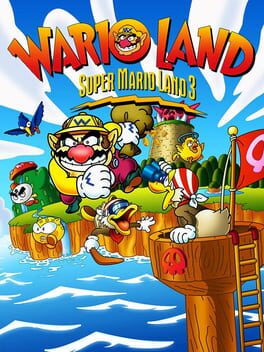
The latest addition—Wario Land: Super Mario Land 3’s complete soundtrack—reinforces that trajectory. Originally released in 1994 for the Game Boy, the title marked the first solo outing for Nintendo’s mischievous anti‑hero and introduced a suite of compositions that have since become synonymous with the series’ playful yet challenging tone. Tracks such as the notoriously titled “That Stinks!” have endured in the collective memory of gamers, and their migration to a modern streaming platform underscores how Nintendo is mining its deep catalog to satisfy both long‑time fans and a new wave of retro‑curious players.
What Happened?
In an update rolled out this week, Nintendo Music has officially added the full Wario Land: Super Mario Land 3 album to its paid library. The collection comprises every background theme, boss battle motif, and stage variation that originally accompanied the handheld adventure, all meticulously remastered for contemporary audio standards while preserving the characteristic chiptune timbre. The announcement, accompanied by a detailed tracklist, also highlighted the contributions of veteran composers Hirokazu Tanaka and Junichi Takahashi, whose collaborative work on the title set a benchmark for melodic ingenuity on limited hardware.
The rollout follows a similar pattern to the service’s previous expansion, which saw the WarioWare: Move It! soundtrack arrive just a month earlier. Subscribers can now stream the Wario Land tracks directly through the Nintendo Switch’s Music app, with the option to download for offline listening—a feature that mirrors the flexibility offered by mainstream platforms like Spotify. Pricing remains consistent with the existing subscription tier, reinforcing Nintendo’s intent to bundle music access with its broader Switch Online offering, thereby creating an ecosystem where audio content becomes an ancillary incentive for hardware sales.
Analysis
From a market perspective, Nintendo’s incremental enrichment of its music catalog signals a nuanced response to the growing “nostalgia economy” that has reshaped how legacy content is monetised. By packaging classic game scores as a streaming service, Nintendo sidesteps the pitfalls of one‑off digital re‑releases, instead cultivating a recurring revenue model that benefits from low marginal costs—once the tracks are digitised, each additional stream is virtually cost‑free. This approach also positions Nintendo against competitors like Sony’s PlayStation Music initiatives and the broader streaming giants, carving out a niche that leverages exclusive IP rather than generic licensing deals.
Technically, the preservation of original compositions while enhancing audio fidelity presents both an opportunity and a challenge. Nintendo must balance the desire to retain the authentic 8‑bit character that fans cherish with the expectations of modern listeners accustomed to high‑definition sound. Moreover, the integration of these tracks into the Switch’s UI hints at a deeper convergence strategy, where music, game updates, and online services co‑exist, potentially paving the way for future cross‑media experiences such as rhythm‑based DLC or live‑event tie‑ins that could further entrench the subscriber base.
XPLog Opinion
At XPLog UK we view Nintendo’s steady expansion of its music catalogue as a savvy, if not entirely revolutionary, maneuver; it reinforces brand loyalty among core gamers while quietly building a new revenue stream that feels organic rather than forced. The inclusion of Wario Land’s score is particularly astute, because it taps into a title that, while beloved, has been under‑exploited in Nintendo’s modern merchandising playbook. If Nintendo can maintain a cadence of high‑quality releases without inflating subscription costs, the service could become a must‑have for collectors, effectively turning the Switch into a portable jukebox for gaming history.
Final Thoughts
In sum, the Wario Land: Super Mario Land 3 soundtrack addition deepens Nintendo Music’s appeal and signals a long‑term commitment to leveraging its vast audio heritage. As the service continues to grow, players should watch for upcoming releases tied to other cornerstone franchises—potentially the Metroid or Zelda series—scheduled for the holiday quarter, which could finally tip the balance from niche curiosity to indispensable component of the Nintendo Switch ecosystem.