.png)
Overview
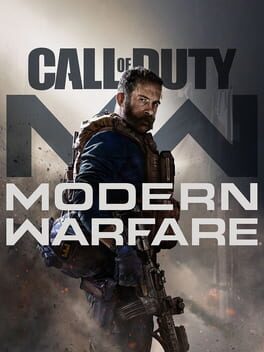
As the gaming world braces for the release of Call of Duty: Modern Warfare 4 next week, a quieter but potentially more consequential drama is unfolding behind the studio doors of Activision. In March 2024 a union of roughly 600 quality‑assurance (QA) employees was officially recognised, marking the first large‑scale organiser of its kind within the publisher’s North American operations. The formation of the union was spurred by a series of high‑profile labour disputes across the wider entertainment sector, from the Writers Guild of America walk‑outs to the prolonged SAG‑AFTRA strike that reshaped production pipelines in 2023. Those events highlighted how tightly interwoven development schedules, release windows and worker conditions have become, prompting QA staff—traditionally the most under‑paid and over‑worked segment of the development chain—to demand a seat at the negotiating table.
The timing of the union’s emergence could not be more striking. Activision’s franchise pipeline has consistently driven the company’s quarterly earnings, with each Call of Duty launch delivering double‑digit revenue spikes that underpin its market valuation. Yet the relentless “crunch” culture that has characterised the series’ development cycle has also drawn criticism from consumer advocacy groups and industry analysts alike. In the past, the publisher has weathered scrutiny over overtime expectations, limited overtime pay, and a lack of transparent career progression for QA staff. The current vote to authorise a strike therefore represents not just a reaction to immediate grievances, but a strategic move to leverage the financial clout of a marquee title to extract lasting improvements in wages, benefits and working conditions.
What Happened?
During a closed‑door meeting held earlier this month, the union’s leadership presented a set of demands that include a guaranteed minimum wage above the industry baseline, paid sick leave, clear overtime compensation, and a formal pathway for career advancement within QA. The union members, numbering close to six hundred, subsequently voted to authorise a strike should Activision fail to meet these expectations within a stipulated negotiation window. The vote, which was overseen by the International Alliance of Game Developers (IAGD), recorded a decisive majority in favour of strike authorisation, signalling a high level of solidarity among testers who have historically been fragmented across multiple studios and contract agencies.
Activision’s public response, delivered via a brief corporate statement, acknowledged the union’s right to organise and expressed a willingness to “engage in good‑faith discussions.” However, the statement stopped short of committing to any concrete concessions, instead citing the proximity of the Modern Warfare 4 launch as a factor that could complicate any prolonged industrial action. The union, for its part, has warned that a strike could commence as early as the day after the launch, a tactic designed to maximise leverage by threatening post‑launch patch cycles, live‑service updates and the critical bug‑fixing window that QA teams traditionally dominate.
Analysis
The prospect of a strike intersecting with the launch of one of the world’s most profitable gaming franchises introduces a complex set of market dynamics. Historically, labour disruptions in the video‑game sector have been rare, with the notable exception of the 2022 Blizzard employee walk‑outs that coincided with the release of Diablo IV. In that case, the company managed to ship the title on schedule, but faced a prolonged period of negative press and a dip in player sentiment that lingered for months. For Activision, any interruption to the post‑launch support pipeline could erode the critical first‑week revenue surge that modern live‑service titles rely upon, potentially prompting retailers and digital storefronts to delay promotional pushes. Moreover, the strike could serve as a bellwether for other mid‑tier publishers, many of whom operate similar QA structures under contract, encouraging them to pre‑emptively improve conditions to avoid a ripple effect across the industry.
XPLog Opinion
From XPLog’s perspective, the union’s decision to authorise a strike at this juncture is both a bold gambit and a litmus test for the evolving power of organised labour in game development. While the immediate financial stakes are clear—protecting the launch window of Modern Warfare 4—the longer‑term narrative is about redefining the value proposition of QA work. If Activision reaches a settlement that raises the floor for wages and introduces robust career ladders, it could set a new industry benchmark that forces other AAA publishers to reassess their own QA contracts. Conversely, a hard‑line stance that leads to a delayed patch cycle could alienate a community that has grown increasingly vocal about ethical production practices, potentially translating into a measurable dip in player retention and brand loyalty.
Final Thoughts
As the countdown to Modern Warfare 4’s launch ticks down, all eyes will be on the negotiation table rather than the battlefield depicted in the game itself. The outcome will likely reverberate far beyond Activision’s balance sheet, influencing how studios across the globe structure their QA pipelines, negotiate with unions, and manage the delicate balance between rapid content delivery and sustainable workforce practices. Stakeholders should monitor any statements from the IAGD, upcoming press releases from Activision, and, crucially, the post‑launch patch cadence in the weeks following the release—these will be the clearest indicators of how this historic industrial action reshapes the modern gaming ecosystem.