.png)
Overview
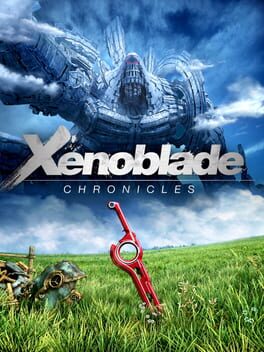
When Intelligent Systems first unveiled Fire Emblem: Fortune’s Weave in early 2024, the title was positioned as the next evolutionary step for Nintendo’s storied tactical franchise—a blend of classic grid‑based combat, richer narrative branching, and a live‑service‑inspired progression system. The series, which began in 1990 with Shadow Dragon and has since become a cultural touchstone for both hardcore and mainstream audiences, has always walked a tightrope between preserving its strategic depth and courting broader demographics. In an era where Nintendo leans heavily on evergreen franchises to sustain hardware sales and subscription revenue, the decision to treat Fortune’s Weave as a platform for sustained content delivery reflects a maturation of the company’s post‑Switch monetisation playbook, echoing the episodic expansions seen in titles like Xenoblade Chronicles 3 and the ongoing support for Monster Hunter Rise.
Beyond Nintendo’s internal calculus, the broader tactical RPG market has undergone a renaissance over the past five years, driven by indie successes such as Disgaea 6 and the resurgence of turn‑based strategy on PC and consoles. Players now expect a steady drip of meaningful content—new classes, story arcs, and balance tweaks—rather than a single, monolithic launch. This shift has forced legacy publishers to rethink how they keep veteran fans engaged while attracting newcomers who may be wary of a steep learning curve. The Fortune’s Weave expansion pass, therefore, is not merely a revenue stream; it is a strategic response to a marketplace that rewards longevity, narrative depth, and community‑driven iteration.
What Happened?
During a joint livestream on Nintendo’s Direct channel, the company announced an ambitious expansion pass for Fortune’s Weave that will roll out its first wave of downloadable content today and continue to deliver fresh chapters, character packs, and gameplay systems through to 2027. The pass is structured as a three‑year commitment, with quarterly drops that include both cosmetic upgrades—such as themed armor sets tied to seasonal events—and substantive gameplay additions like new unit classes, alternate story routes, and even a cooperative multiplayer mode that expands the single‑player experience into a shared tactical theatre. The inaugural wave, released simultaneously with the announcement, introduces a “Weaver’s Gambit” storyline that adds three playable protagonists, a set of siege‑engine mechanics, and a series of balance patches aimed at refining the game’s difficulty curve.
Intelligent Systems’ lead designer, Hiroshi Koyama, emphasized that the pass is built on player feedback collected over the first six months of the game’s life cycle. Pricing is tiered: a base annual subscription grants access to all scheduled content for that year, while a premium “Legendary” tier unlocks early‑access previews and exclusive lore compendiums. The DLC will be integrated directly into the existing save data, allowing seamless transitions between base and expanded content without the need for separate launches—a technical decision that mirrors the seamless patching model pioneered by Nintendo’s own Switch Online updates. Early community reaction, gauged through social media sentiment analysis, suggests a cautious optimism, with veteran fans appreciating the commitment to narrative depth while some express concern over the long‑term cost of staying current.
Analysis
From a market performance perspective, Nintendo’s move signals a decisive shift toward a hybrid monetisation model that blends the traditional full‑price launch with a subscription‑like cadence. This mirrors the industry trend set by Ubisoft’s “Uplay+” and EA’s “Play” services, yet Nintendo retains its hallmark of delivering high‑quality, content‑rich expansions rather than micro‑transactions. By extending the content horizon to 2027, the company effectively guarantees a multi‑generation revenue pipeline for a single IP, a tactic that could prove pivotal as the Switch’s successor looms on the horizon. Competitors such as Square Enix, with its ongoing support for the Final Fantasy XIV ecosystem, have demonstrated the financial upside of long‑term content roadmaps; Nintendo appears poised to capture a slice of that recurring‑revenue market while staying true to its family‑friendly brand ethos.
Technical hurdles, however, should not be underestimated. Maintaining balance across an ever‑growing roster of units and classes demands a robust testing pipeline and a willingness to issue frequent patches—an area where Nintendo has historically been more conservative than its Western counterparts. Moreover, the integration of a cooperative multiplayer mode introduces latency and matchmaking challenges that could strain the Switch’s hardware limits, especially for players on older models. Should Intelligent Systems successfully navigate these obstacles, the expansion pass could set a new benchmark for live‑service tactical RPGs, encouraging other developers to invest in deeper, story‑driven post‑launch ecosystems rather than relying solely on cosmetic or loot‑box‑style updates.
XPLog Opinion
At XPLog UK we view the Fortune’s Weave expansion pass as a bold, if risky, experiment that could redefine how Nintendo leverages its flagship franchises in the post‑Switch era; the company is betting that a sustained narrative cadence will keep core fans hooked while providing a steady cash flow that offsets the diminishing returns of one‑off releases, and if the technical execution lives up to the promise, it may well become the template for future titles across the Nintendo portfolio.
Final Thoughts
In sum, the rollout of Fire Emblem: Fortune’s Weave’s first DLC wave marks the beginning of a long‑term content strategy that intertwines player engagement, revenue stability, and brand longevity; with quarterly drops slated through 2027, the community should keep an eye on upcoming patch notes, the announced cooperative mode beta in early 2025, and the broader implications for Nintendo’s evolving approach to live‑service gaming.