.png)
Overview
The PlayStation 5’s launch window has become a testing ground for legacy titles that demand more than a superficial graphical bump, and Disney‑Pixar’s Toy Story 3 Complete Edition arrives as perhaps the most ambitious of those endeavors. First released in 2010 alongside the beloved third instalment of the franchise, the original game distinguished itself from the sea of cash‑grab movie tie‑ins by delivering a surprisingly deep platform‑action experience, complete with original voice talent, authentic level design, and a narrative that mirrored the emotional stakes of the film. In an era when publishers routinely outsourced licensed properties to quick‑turn mobile studios, Toy Story 3 proved that a licensed game could earn critical praise and sustain a dedicated fanbase for over a decade.
Fast‑forward to 2024, and the industry landscape has shifted dramatically: high‑definition streaming, cross‑generational releases, and an increasingly discerning core audience have raised the bar for what constitutes a respectable remaster. Sony’s PlayStation 5 hardware—its custom SSD, ray‑tracing capabilities, and haptic feedback—offers developers a palette to revisit older IP with a level of fidelity that was unimaginable a decade ago. Within this context, Disney’s decision to commission a full‑scale technical overhaul, rather than a perfunctory “enhanced” port, signals a renewed confidence in the commercial viability of narrative‑driven, family‑friendly action titles on premium consoles.
What Happened?
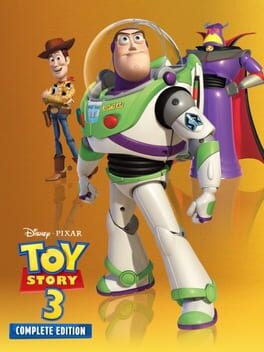
During a live‑streamed showcase at the PlayStation Showcase in June, Disney announced that Toy Story 3 Complete Edition would launch on PS5 in September, featuring a suite of upgrades that extend beyond mere texture swaps. The remake utilizes the console’s SSD to eliminate loading screens entirely, allowing seamless transitions between the game’s iconic locations—from the bustling Pizza Planet arcade to the emotional climax at the daycare. Ray‑traced lighting now captures the warm, nostalgic glow of Andy’s bedroom, while the new haptic feedback in the DualSense controller translates the tactile sensation of Woody’s pull‑string and Buzz’s jet‑pack thrusts, deepening immersion in a way the original could never achieve.
Beyond visual and sensory enhancements, the Complete Edition bundles previously released DLC—including the “Toy Story 3: The Lost Toys” expansion—and introduces a brand‑new “Behind‑the‑Scenes” hub that curates concept art, storyboards, and commentary from the original development team. Publisher statements emphasized that the remake was not a shortcut; the team rebuilt the engine from the ground up, preserving the original level layout while re‑balancing enemy AI to align with modern difficulty expectations. This meticulous approach reflects a broader industry trend where legacy titles are being treated as cultural artifacts worthy of preservation rather than disposable marketing tools.
Analysis
The market impact of Toy Story 3 Complete Edition extends far beyond its niche fanbase. By delivering a technically polished, content‑rich product, Disney positions itself to capture both nostalgic adults and a new generation of children who have grown up with the PS5 ecosystem. The title’s performance will likely influence how other publishers approach the growing “retro‑remaster” segment, especially those holding valuable licensed properties that have historically suffered from sub‑par ports. Moreover, the inclusion of comprehensive DLC and a documentary‑style hub sets a precedent for future releases to adopt a more archival mindset, potentially opening revenue streams through premium collector’s editions and subscription‑based access to behind‑the‑scenes content.
From a competitive standpoint, the remake pits Disney against heavyweights like Capcom’s Resident Evil remasters and Square Enix’s Final Fantasy re‑releases, all of which have leveraged next‑gen hardware to re‑engage lapsed players. However, Toy Story 3’s unique positioning as a family‑oriented, story‑driven platformer differentiates it within a crowded field dominated by action‑RPGs and shooters. Its success could encourage console manufacturers to promote a more diverse library, reinforcing the PS5’s reputation as a platform for all ages and genres—a strategic advantage in the ongoing console wars where exclusivity and breadth of appeal remain decisive factors.
XPLog Opinion
At XPLog UK we view the Toy Story 3 Complete Edition as a watershed moment for licensed gaming: it proves that with sufficient resources and a genuine respect for the source material, a movie tie‑in can transcend its transactional origins to become a timeless entry in the console canon. The decision to rebuild the engine, integrate haptic nuance, and package the full narrative experience demonstrates a commendable commitment to quality that should become the benchmark for future adaptations. If Disney can replicate this formula across other beloved franchises—think The Incredibles or Finding Nemo—we may finally see a renaissance of licensed games that satisfy both critics and core gamers alike.
Final Thoughts
In sum, Toy Story 3 Complete Edition is poised to set a new standard for how legacy licensed titles are treated in the modern console era, marrying nostalgia with cutting‑edge technology while delivering a comprehensive package that respects both the game’s heritage and today’s player expectations. Keep an eye on the September launch date, the subsequent sales data, and any follow‑up announcements from Disney regarding further remasters, as these will provide clear signals about the long‑term viability of high‑quality movie‑tie‑in revivals on next‑gen hardware.