.png)
Overview
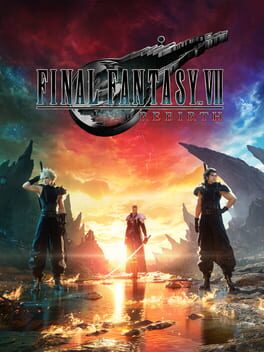
Square Enix has once again thrust itself into the thick of the modern RPG renaissance, this time with an ambitious HD‑2D incarnation of its flagship franchise. The company’s development pipeline has been a relentless treadmill of releases, from the surprise drop of "Final Fantasy VII Rebirth" to the steady drip of spin‑off titles, and now the throwback‑styled "Final Fantasy Resonance" is poised to become the linchpin of its 2024‑25 strategy. By marrying the nostalgic pixel‑art aesthetic with cutting‑edge lighting and animation on the PlayStation 5, Square Enix hopes to capture both veteran fans yearning for the series’ classic feel and a new generation that expects console‑level polish. This approach mirrors the success of the HD‑2D formula first popularised by "Octopath Traveler" and later refined in "Triangle Strategy," signalling a broader industry trend where developers leverage stylised visuals to stand out in an increasingly homogeneous market.
The timing of the announcement could not be more critical. With Rockstar Games slated to unleash "GTA 6" next month—a title that will dominate headlines and shelf space—Square Enix’s decision to drop a high‑visibility preview through Japan’s most respected gaming magazine, Famitsu, is a calculated move to carve out media real‑estate before the inevitable deluge. Famitsu’s early review, which praised the game’s narrative depth and hinted at a campaign length that rivals the longest entries in the series, has already ignited speculation across forums and social channels. In a landscape where streaming numbers and launch‑day sales are increasingly driven by pre‑release buzz, the positive reception from such a venerable source serves as a potent catalyst for consumer anticipation.
What Happened?
In its October 22 edition, Famitsu awarded "Final Fantasy Resonance" a score that places it comfortably within the upper echelon of contemporary RPGs, noting the seamless integration of HD‑2D art direction with the series’ hallmark storytelling. The review highlighted the game’s sprawling world, which reportedly offers upwards of 80 hours of main‑story play, with additional side quests and hidden narratives that could push total playtime well beyond 120 hours for completionists. This length is notable not only for its sheer ambition but also because it directly addresses a long‑standing criticism of recent Square Enix releases: overly compressed campaigns that leave hardcore fans feeling short‑changed.
Square Enix’s official statement, released alongside the Famitsu preview, underscored the company’s commitment to “deep, player‑driven experiences” and confirmed that the title will launch exclusively on PlayStation 5 on 22 October. The publisher also revealed that the game will support the DualSense’s haptic feedback and adaptive trigger capabilities, promising a tactile layer that reinforces combat intensity and environmental storytelling. Marketing materials showcase a blend of familiar series motifs—crystalline summons, intricate job systems, and a sprawling, politically charged narrative—reimagined through a pixel‑art lens that feels both retro and refreshingly modern.
Analysis
The emergence of "Final Fantasy Resonance" at this juncture could reshape the competitive dynamics of the high‑budget RPG segment. While titles like "Elden Ring" have demonstrated that open‑world freedom can dominate sales charts, Square Enix’s gamble leans into a more curated, story‑centric experience that may appeal to players fatigued by endless exploration loops. Moreover, the HD‑2D aesthetic offers a cost‑effective visual pipeline that reduces reliance on photorealistic assets, potentially allowing Square Enix to allocate more resources toward narrative design, voice talent, and post‑launch content. From a market perspective, the game also positions the PlayStation 5 as a haven for exclusive, art‑driven experiences, reinforcing Sony’s strategy of differentiating its ecosystem through first‑party titles rather than sheer hardware horsepower alone.
Technical hurdles remain, however. Translating a traditionally dense JRPG into the constraints of an HD‑2D engine demands meticulous optimisation to avoid frame‑rate dips during large‑scale battles and complex lighting scenarios. Early impressions suggest Square Enix has leveraged the PS5’s custom SSD to stream assets efficiently, but the true test will be the live performance across the console’s various hardware revisions. Should the game deliver a smooth, immersive experience, it could set a new benchmark for how legacy franchises reinvent themselves without sacrificing depth—a blueprint other developers may emulate as the industry continues to explore hybrid visual styles.
XPLog Opinion
From XPLog’s standpoint, "Final Fantasy Resonance" represents a bold, arguably necessary pivot for Square Enix; the studio has been teetering between reverent nostalgia and experimental risk, and this title finally strikes a compelling balance. By delivering a campaign length that satisfies the series’ hardcore base while embracing a visually distinctive HD‑2D direction, Square Enix not only reasserts its creative relevance but also signals to the broader market that deep, story‑first RPGs still have a lucrative home on next‑gen hardware. If the launch lives up to the Famitsu hype, we anticipate a strong first‑month sales surge that could offset the looming competition from "GTA 6" and reinforce the PlayStation 5’s reputation as the premier platform for narrative‑driven experiences.
Final Thoughts
In sum, the first Famitsu review has turned "Final Fantasy Resonance" into a rallying point for both Square Enix and PlayStation enthusiasts, promising a title that marries classic franchise DNA with a fresh visual language and a campaign length that respects player investment. As the launch date of 22 October approaches, the industry will be watching closely to see whether the game can deliver on its lofty ambitions and carve out a lasting niche amidst a crowded release calendar. Keep an eye on post‑launch support announcements and early sales metrics—they will be the true barometer of how successfully this HD‑2D experiment reshapes the RPG landscape.