.png)
Overview
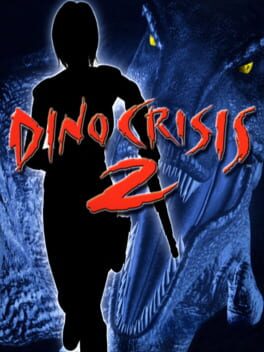
In the ever‑accelerating race to blend nostalgia with next‑gen convenience, Sony’s classic‑conversion pipeline has become a cornerstone of its ecosystem strategy. The company’s renewed emphasis on re‑licensing iconic PlayStation 1 (PS1) titles for the PlayStation 5 (PS5) and PlayStation 4 (PS4) reflects a broader industry trend where legacy libraries are monetised through subscription services, digital storefronts, and value‑added features that appeal to both veteran gamers and newcomers discovering the medium’s roots. Capcom’s Dino Crisis 2, a hallmark of the late‑1990s survival‑horror boom, is the latest entry in this wave, arriving at a moment when retro releases are no longer niche add‑ons but integral components of platform revenue forecasts.
The timing of the launch—October 20, 2026—coincides with Sony’s push to bolster the PS Plus Premium tier, a subscription tier that bundles a rotating catalogue of classic games alongside modern titles. By offering Dino Crisis 2 immediately on Premium while also making it purchasable for a modest £7.99/$9.99, Sony is hedging between subscription‑driven engagement and direct‑sale revenue, a dual‑track approach that mirrors the successful models employed by Xbox Game Pass and Nintendo Switch Online. This move also underscores a strategic pivot: rather than relying solely on blockbuster releases, platform holders are now leveraging deep, recognizable IPs to sustain subscriber churn and extend the life‑cycle of older hardware generations.
What Happened?
Capcom confirmed that the original PS1 version of Dino Crisis 2 will be ported to both PS5 and PS4 via the PlayStation Store, with the digital release slated for next Tuesday, 20 October 2026. The title will be available to PS Plus Premium subscribers at no additional cost, while non‑subscribers can acquire it outright for a price point that aligns with other classic re‑releases in the catalogue. The port utilises Sony’s established conversion framework, which automatically incorporates modern conveniences such as a rewind mechanic, selectable video filters that emulate CRT scanlines or high‑definition upscaling, and an instant‑save system that eliminates the original’s notorious lack of checkpoints.
Despite these quality‑of‑life upgrades, the release will not feature any trophy support—a notable omission that has persisted across Capcom’s recent classic ports. The absence of trophies is not a technical limitation of the conversion engine but rather a licensing and development decision rooted in the original game’s design philosophy and the cost‑benefit analysis of retro‑trophy integration. Capcom’s own statements suggest that retro‑trophies would require a separate QA pipeline and could potentially alter the delicate balance of the game’s challenge, a risk the publisher appears unwilling to assume for a title that already enjoys a cult following.
Analysis
From a market perspective, the inclusion of Dino Crisis 2 on PS Plus Premium serves a two‑fold purpose: it enriches the subscription’s value proposition, encouraging retention among long‑term fans, and it acts as a low‑cost acquisition channel for newer players who may be unfamiliar with Capcom’s early survival‑horror portfolio. The modest standalone price also positions the title competitively against other retro releases on rival platforms, where similar games often command higher price tags due to limited supply or collector‑grade packaging. This pricing strategy, combined with the built‑in enhancements, could drive incremental revenue that surpasses the marginal cost of the port, especially when factoring in the ancillary boost to Capcom’s brand equity within Sony’s ecosystem.
Technical considerations, however, reveal why trophy integration remains absent. Sony’s classic conversion process focuses on preserving the original executable while layering modern UI elements; retro‑trophies would necessitate deep code modifications, potentially introducing bugs or performance regressions on the PS5’s architecture. Moreover, the historical context of trophy culture—originating with the PlayStation 3’s launch—means that many early titles were never designed with achievement tracking in mind, and retrofitting them can feel forced to purist segments of the community. The decision to forego trophies may therefore be a calculated concession, preserving the authenticity of the original experience while avoiding the resource drain of a full trophy implementation.
XPLog Opinion
At XPLog UK we applaud Sony’s commitment to keeping the PS1 library alive, and Dino Crisis 2 is a welcome addition that showcases how classic horror can still thrill on modern hardware. Yet the lack of trophies feels like a missed opportunity to bridge the gap between nostalgia and contemporary achievement‑driven playstyles. While the rewind and filter options are commendable, trophy support would have provided a tangible incentive for completionists and reinforced the title’s relevance within today’s gamified ecosystem. In short, the release is solid, but it hints at a broader industry hesitation to fully modernise legacy content—a hesitation that could limit the long‑term appeal of retro offerings.
Final Thoughts
As Dino Crisis 2 joins the growing roster of PS1 classics on PlayStation 5, its performance will be a litmus test for how effectively Sony can balance authenticity with modern player expectations. The October 20 launch date marks the beginning of what could become a sustained pipeline of Capcom’s early catalogue, and the industry will be watching closely to see whether future ports address the trophy gap or double‑down on the streamlined, no‑frills approach. For now, gamers have a polished, accessible way to revisit a seminal survival‑horror experience, and the broader conversation about retro‑gaming’s place in a subscription‑driven market is only just getting started.