.png)
Overview
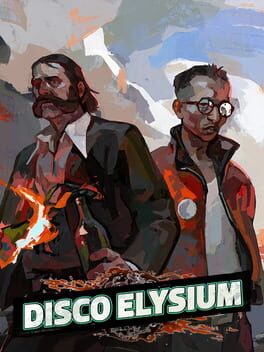
When the gaming press first caught wind of Summer Eternal in early 2024, the buzz was less about a fresh IP and more about the pedigree behind it. The studio emerged from the ashes of ZA/UM, the cult‑favorite developer that reshaped narrative‑driven role‑playing with the critically lauded Disco Elysium. Its core team – writer‑world‑builder Argo Tuulik, veteran designers Dora Klindíč, Anastasia Ivanova, and Michael Oswell, plus the ever‑charismatic narrator Lenval Brown – reconvened under a new banner, promising to carry forward the studio’s reputation for literary depth while charting an uncharted creative course.
That promise now materialises in the form of Red Rooster, a game the developers have deliberately described as an “incendiary RPG” that eschews any attempt to be a Disco Elysium successor. In a market saturated with titles that either mimic the introspective dialogue‑tree formula or lean heavily into action‑first design, Summer Eternal’s stance is a bold declaration of intent. It signals a willingness to explore the combustible intersection of political satire, existential dread, and kinetic combat, all while navigating the expectations of a player base that has come to associate ZA/UM with narrative daring.
What Happened?
At a livestream event streamed from a modest studio space in Zagreb, the Summer Eternal team unveiled a trailer that juxtaposes smoky tavern interiors with frantic, stylised combat sequences, underscoring the game’s dual identity as both a story‑heavy experience and a kinetic playground. The developers emphasized that Red Rooster will feature a branching dialogue system reminiscent of its predecessor, yet the combat mechanics will be built around a turn‑based “flame‑meter” that rewards daring choices and punishes complacency, a clear departure from the purely conversational focus of Disco Elysium.
Accompanying the visual showcase, lead writer Argo Tuulik explained that the narrative will be anchored in a fictional post‑war city where factions vie for control of a mysterious energy source known only as “the Rooster.” He stressed that the game’s world is deliberately designed to be morally ambiguous, with no clear hero or villain, and that player agency will extend beyond dialogue into how the city’s power structures are reshaped through combat outcomes. The announcement also confirmed a 2026 release window for PC, PlayStation 5 and Xbox Series X|S, with a potential cloud‑first rollout on emerging subscription platforms.
Analysis
From a market perspective, Red Rooster arrives at a crossroads where narrative‑driven RPGs have begun to fragment into niche sub‑genres. While titles like Baldur’s Gate 3 and Cyberpunk 2077 have re‑ignited mainstream appetite for deep story integration, they have also set a high bar for production values and technical polish. Summer Eternal’s decision to fuse turn‑based combat with a heavy narrative focus could carve out a unique segment that appeals to both dialogue enthusiasts and tactical gamers, potentially expanding the demographic reach beyond the traditional “story‑first” crowd.
However, the venture is not without risk. The development team must balance the intricate writing that made Disco Elysium a cultural touchstone with a combat system that feels substantive rather than an afterthought. Technical hurdles such as ensuring seamless integration of procedural dialogue with dynamic combat outcomes could strain the studio’s resources, especially given its relatively small size compared to AAA powerhouses. Moreover, the broader industry trend toward live‑service models means that a single‑player, story‑centric launch must deliver lasting value through post‑launch content or robust mod support to remain commercially viable.
XPLog Opinion
At XPLog UK, we view Red Rooster as a litmus test for the longevity of the “literary RPG” philosophy that ZA/UM pioneered. If Summer Eternal can deliver a game that respects the intellectual rigor of its forebear while daring to inject kinetic, high‑stakes combat, it will prove that narrative depth need not be shackled to passive gameplay. Success would encourage other indie studios to experiment beyond the dialogue‑tree paradigm, potentially ushering in a new wave of hybrid RPGs that marry story and strategy in equal measure.
Final Thoughts
Red Rooster stands as a declaration of artistic independence, a promise that the spirit of experimental storytelling can evolve without becoming a carbon copy of past triumphs. As the industry watches Summer Eternal’s next moves, the 2026 release will be a pivotal moment: a chance to reaffirm that bold, author‑driven design still has a seat at the table in an era dominated by blockbuster franchises and live‑service pipelines. Keep an eye on the studio’s upcoming dev‑logs and the first beta window slated for early 2025 – those will be the real indicators of whether the incendiary ambitions translate into a sustainable, market‑shaping title.