.png)
Overview
The latest wave of retro compilations is no longer a niche indulgence; it has become a calculated move by platform holders to monetize nostalgia while bolstering their libraries against an increasingly crowded subscription market. Microsoft’s Xbox ecosystem, once criticized for a paucity of classic titles compared with Sony’s PlayStation Classics, is now leveraging the enduring appeal of Pixar’s beloved Toy Story universe to demonstrate a renewed commitment to preserving and re‑presenting legacy content. This decision arrives at a moment when the industry is wrestling with the dichotomy between forward‑looking cloud services and the tactile, collector‑driven demand for tangible, historically significant games.
Since the original Toy Story game debuted on the PlayStation in 1995, the franchise has traversed a convoluted path through the console landscape, appearing on Sega Saturn, Dreamcast, GameCube, and various handhelds, yet never securing a comprehensive presence on Microsoft’s flagship hardware. The absence left a conspicuous gap for long‑time fans who grew up with the early 2000s titles and now own Xbox Series consoles. By bundling the entire retro catalog—including the first two Toy Story adventures, A Bug’s Life, Buzz Lightyear of Star Command, and the quirky Toy Story Racer—Microsoft not only fills that void but also re‑introduces a generation of younger players to the formative era of 3D platforming.
What Happened?
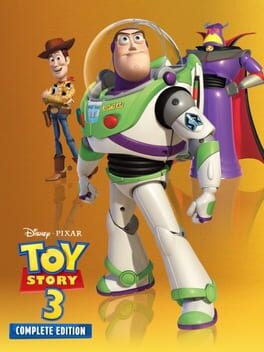
In a press release circulated earlier this week, Xbox announced the launch of “Toy Story: Retro Roundup! + Toy Story 3 Complete Edition,” a dual‑pack that unites the classic titles with the fully remastered third installment. The collection arrives as a digital download on Xbox Store and as a physical disc for the Series S/X, marking the first time the original Toy Story and Toy Story 2 games are officially sanctioned for the platform. The publisher has emphasized that each title has been meticulously emulated to preserve original frame‑rates, soundtracks, and visual fidelity, while also offering modern conveniences such as achievement support and cloud saves.
Beyond the console ports, the package also incorporates a suite of Game Boy adaptations—most notably the handheld versions of Toy Story 2 and A Bug’s Life—rendered through a bespoke emulator layer that respects the quirks of the original hardware. This inclusion signals Microsoft’s broader strategy to treat handheld nostalgia with the same reverence as console classics, a stance that could pave the way for future cross‑generation releases of other beloved portable experiences. The announcement was bolstered by statements from the development team, who highlighted the collaborative effort between Xbox’s backward‑compatibility engineers and the original developers to ensure that the titles run seamlessly on both legacy Xbox One hardware and the current Series consoles.
Analysis
From a market perspective, the Retro Roundup serves multiple strategic purposes. First, it enriches Xbox Game Pass’s library, offering subscribers a ready‑made nostalgia pipeline that can boost engagement metrics and reduce churn in a subscription‑driven environment. Second, by securing the Toy Story IP for Xbox, Microsoft positions itself to negotiate future cross‑media tie‑ins, potentially leveraging Disney’s upcoming streaming initiatives or even exploring exclusive DLC that could tie into upcoming Pixar releases. Competitively, Sony’s PlayStation has long capitalized on its “Classics” catalog, but Microsoft’s focus on high‑quality emulation and the inclusion of rarely seen handheld ports may differentiate its offering, especially among collectors who value completeness over mere availability.
XPLog Opinion
At XPLog UK we view the Toy Story Retro Roundup as a decisive statement that Microsoft is no longer content to be the “latecomer” in the retro market; instead, it is actively curating a heritage portfolio that aligns with the broader industry shift toward archival stewardship. The move not only satisfies a vocal segment of the community that has long campaigned for these titles on Xbox, but it also signals an intent to treat legacy content as a living part of the ecosystem, worthy of updates, community events, and potential integration into future multiplayer experiences. In an era where new IPs struggle to break through the noise, revisiting proven franchises with a modern polish is a shrewd way to sustain player interest while the next generation of original titles matures.
Final Thoughts
Ultimately, the arrival of Toy Story: Retro Roundup! + Toy Story 3 Complete Edition on Xbox is more than a nostalgic cash‑grab; it is a strategic reinforcement of Microsoft’s library depth that could influence subscription growth, cross‑platform negotiations, and the preservation standards for future retro releases. Players can expect the collection to hit the storefront next month, with a simultaneous rollout on Game Pass slated for the following week, making it a key title to watch as the console wars continue to evolve around both cutting‑edge hardware and the timeless allure of classic gameplay.