.png)
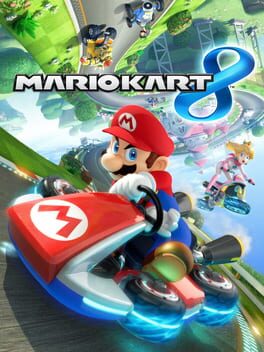
Overview
Since its debut on the Nintendo Switch in 2017, Mario Kart 8 Deluxe has become the platform's longest‑running, best‑selling title, consistently topping weekly sales charts and serving as a cultural touchstone for both casual families and competitive racers. Its endurance is not merely a function of nostalgic appeal; the game’s robust online infrastructure, regular content drops, and a thriving tournament scene have transformed a kart‑racing arcade into a persistent service that fuels Nintendo’s broader ecosystem of hardware sales and subscription revenue. In an industry where even flagship franchises are being re‑imagined as live‑service experiences, Mario Kart 8 Deluxe stands as a benchmark for how a polished core game can evolve without losing its original charm.
Against this backdrop, Nintendo’s update cadence has grown increasingly strategic. After a surprise patch in September that introduced a handful of quality‑of‑life tweaks and a minor balance adjustment, the company has now rolled out version 4.0.1. While the headline may not promise new tracks or characters, the timing of the release—just weeks before the holiday shopping surge—signals Nintendo’s intent to keep the title technically pristine, thereby safeguarding its reputation for reliability at a moment when consumer confidence can directly affect hardware demand.
What Happened?
Version 4.0.1 arrives as a comprehensive maintenance release that targets a spectrum of issues reported by the global player base. Nintendo’s official support page lists fixes ranging from intermittent matchmaking failures in the online Grand Prix mode to rare crashes that occurred when certain custom vehicle configurations were selected. Additionally, the patch resolves a trophy‑earning bug that prevented players from unlocking specific achievements tied to time‑trial records, a concern that had been raised repeatedly on community forums and in competitive circuits.
In a brief statement accompanying the patch notes, Nintendo Development Team Lead Hiroshi Yamauchi emphasized the company’s “commitment to delivering a seamless racing experience for every driver, whether they’re competing on a couch or in an e‑sports arena.” The comment underscores Nintendo’s awareness that Mario Kart 8 Deluxe now operates on two parallel fronts: as a family‑friendly pastime and as a legitimate component of the burgeoning console e‑sports ecosystem. By addressing stability concerns, Nintendo is effectively future‑proofing the title for upcoming tournament seasons and for the anticipated integration of the game into the Nintendo Switch Online + Expansion Pack tier.
Analysis
From a market perspective, the patch reinforces Nintendo’s broader service‑oriented revenue model. Mario Kart 8 Deluxe continues to generate a steady stream of micro‑transactions through its in‑game currency and DLC bundles, and any degradation in online performance could erode player spending. By proactively patching connectivity and stability issues, Nintendo not only protects current revenue but also positions the title to capture new entrants who are increasingly evaluating games on the robustness of their online ecosystems, especially when compared to rivals such as Sony’s Gran Turismo series or Microsoft’s Forza Horizon lineup.
Technically, delivering a stable patch on the Switch’s modest hardware architecture presents its own challenges. The console’s limited RAM and proprietary NVidia Tegra processor mean that even seemingly minor code changes must be meticulously optimized to avoid unintended regressions. Nintendo’s ability to ship a relatively lightweight 4.0.1 update without inflating download sizes—crucial for players on capped broadband plans—demonstrates a refined development pipeline that balances performance with accessibility, a balance that has become a competitive differentiator in the current console generation.
XPLog Opinion
At XPLog UK we view the 4.0.1 patch as a testament to Nintendo’s disciplined stewardship of its legacy franchises. While the lack of headline‑grabbing content may disappoint those hoping for fresh kart skins or new circuits, the decision to prioritize stability over flash reflects a mature understanding of long‑term brand health. In an era where many publishers chase rapid content churn, Nintendo’s measured approach preserves the integrity of Mario Kart 8 Deluxe, ensuring that the game remains a reliable pillar of the Switch’s library for years to come.
Final Thoughts
Version 4.0.1 may not rewrite the Mario Kart playbook, but it quietly consolidates the foundation upon which Nintendo will continue to build its racing franchise. As we look ahead to the next Nintendo Direct slated for early 2027, observers will be watching for any hints of substantive DLC or a potential sequel, yet the assurance of a stable, well‑maintained platform will remain the silent driver of player loyalty and commercial success.