.png)
Overview
The Xbox brand is once again turning its spotlight onto the independent sector, a move that feels both inevitable and strategically daring in an industry where indie titles now command a sizable slice of global revenue. Announced just days ago, the upcoming ID@Xbox Showcase, co‑produced with IGN, is slated for Tuesday, 20 October, and promises to roll out a curated slate of eighteen titles—each accompanied by fresh trailers, gameplay footage, and a slew of world‑premiere moments that could reshape the perception of Microsoft’s console ecosystem.
The significance of this event cannot be divorced from the broader trajectory of ID@Xbox, a program launched in 2014 to lower the barrier for small studios seeking to publish on Xbox One, Xbox Series X|S, and Windows. Over the past decade the initiative has birthed breakout successes such as Outer Wilds, Cuphead, and Sea of Thieves (originally an indie‑turned‑triple‑A), demonstrating Microsoft’s willingness to nurture talent that later fuels its flagship franchises. Past showcases—most notably the 2022 and 2023 editions—have served as launchpads for titles that later found homes on Game Pass, cementing the partnership between indie creativity and Microsoft’s subscription model.
What Happened?
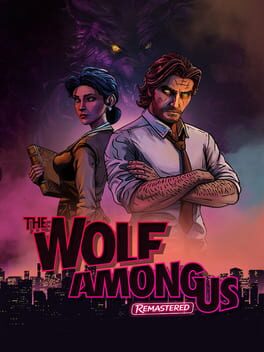
The official press release confirms that the October showcase will feature eighteen games, though the full roster remains under wraps. The only confirmed entries are The Wolf Among Us Remastered, a long‑awaited polish of Telltale’s noir adventure, and an unnamed offering from Critical Reflex Games, a studio that has quietly built a reputation for kinetic, narrative‑driven experiences. The promise of “tons of world premieres” suggests that a majority of the titles will be seeing their first public footage, a tactic that aligns with the industry’s current appetite for early‑access visibility.
According to statements from both Xbox and IGN, the event will be streamed live across the IGN platform, with supplementary clips distributed on Xbox’s own channels and social feeds. Developers have been encouraged to present not only cinematic teasers but also live gameplay segments that highlight unique mechanics, art direction, and any integration with Xbox Series X|S features such as Quick Resume or Variable Rate Shading. This dual‑focus approach mirrors the way major publishers have begun to treat indie showcases—as both marketing vehicles and technical demonstrations of platform capabilities.
Analysis
The timing of the showcase dovetails with a broader market inflection where subscription services are becoming the primary gateway for players to discover new experiences. Xbox Game Pass, now boasting over 30 million subscribers worldwide, has already demonstrated that indie titles can achieve outsized engagement when placed alongside blockbuster franchises. By foregrounding eighteen fresh projects, Microsoft is effectively betting that the showcase will feed a pipeline of Game Pass exclusives, bolstering its content library against rivals like Sony’s PlayStation Plus and Nintendo’s Switch Online, which have historically leaned more heavily on first‑party or legacy catalogues.
From a technical standpoint, the showcase also serves as a proving ground for the next wave of cross‑gen optimisation. Many of the announced games are being built on Unity and Unreal Engine 5, both of which have received deep integration updates for the Xbox Series X|S hardware stack. The ability to demonstrate features such as ray‑traced lighting, 120 fps performance modes, and seamless cloud‑save continuity will reassure indie developers that the platform can handle ambitious visual ambitions without sacrificing the lean development cycles that define the indie ethos. Moreover, the partnership with IGN provides a distribution channel that reaches beyond the traditional Xbox audience, potentially expanding the market reach for these titles.
XPLog Opinion
From XPLog’s perspective, the October ID@Xbox event represents more than a promotional calendar slot; it is a litmus test for Microsoft’s long‑term commitment to the indie ecosystem as a cornerstone of its console identity. While Sony continues to champion narrative‑driven experiences through its ‘First Party Indie’ label, Xbox’s strategy appears to hinge on volume, diversity, and seamless integration with Game Pass—a formula that could democratise access to high‑quality indie games for a broader swathe of players, but also risks diluting individual titles in a crowded feed if not curated with surgical precision.
Final Thoughts
Ultimately, the success of the October showcase will be measured not just by view counts or social buzz, but by how many of the highlighted projects secure launch windows, Game Pass slots, or even future studio acquisitions by Microsoft. Keep an eye on the post‑event announcements in the weeks that follow, as they will likely set the tone for the remainder of 2026’s indie calendar and hint at the strategic direction Microsoft intends to pursue as the console wars settle into a new era of subscription‑driven competition.