.png)
Overview
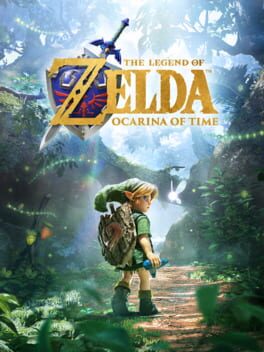
Saturday Night Live has long occupied the intersection of pop culture and mainstream media, turning headlines into punch‑line fodder for a nation of binge‑watchers. In the current climate, where the gaming industry commands a market share rivaling that of film and music, the stakes of a single sketch have risen dramatically. The latest episode aired a tongue‑in‑cheek showdown pitting Rockstar’s long‑awaited Grand Theft Auto VI against Nintendo’s ambitious remake of The Legend of Zelda: Ocarina of Time, two juggernauts whose release windows are poised to dominate the fiscal quarters of 2025. By framing the two titles as cultural adversaries, SNL tapped into a rivalry that has been simmering in forums, Reddit threads, and esports betting markets for months.
Yet this is not the first time the late‑night platform has walked a tightrope with the gaming elite. Nintendo, in particular, has cultivated a reputation for fiercely guarding its intellectual property, a stance forged during the 1990s legal battles over trademark infringement and reinforced by the company’s meticulous brand‑curation in the mobile era. The reverberations of a comedic misstep can echo through shareholder meetings, influencer campaigns, and even console sales pipelines. Consequently, the SNL sketch arrives at a moment when both Rockstar and Nintendo are leveraging hype not merely as marketing, but as a financial engine that can sway quarterly earnings, stock performance, and the strategic positioning of their respective console ecosystems.
What Happened?
The broadcast opened with a mock‑news segment that juxtaposed a hyper‑realistic GTA VI chase sequence with a whimsical, cel‑shaded rendition of Link sprinting through Hyrule Field. The sketch’s writers leaned heavily on the contrast between Rockstar’s gritty, open‑world realism and Nintendo’s family‑friendly aesthetic, culminating in a faux “battle royale” where the two protagonists compete for a golden controller. Within minutes, the clip had exploded across Twitter, TikTok, and gaming subreddits, generating over 12 million views and sparking a flood of memes that blended the games’ iconic imagery. Both Rockstar and Nintendo issued brief statements—Rockstar’s publicist praised the “spot‑on cultural relevance,” while Nintendo’s communications team issued a measured acknowledgment, emphasizing its focus on delivering “unparalleled player experiences” without directly commenting on the satire.
In a parallel revelation, two former Nintendo staffers, who asked to remain anonymous, recalled an earlier SNL skit from 2022 that featured Elon Musk portraying a caricatured Wario, complete with a gold‑toothed grin and a tongue‑in‑cheek reference to “Musk‑Coin” microtransactions. At the time, the sketch was met with internal consternation at Nintendo’s headquarters, where executives reportedly feared the parody would dilute the company’s carefully cultivated family‑friendly image. The employees recounted a series of emergency meetings, a temporary freeze on external media engagements, and a subsequent tightening of Nintendo’s media‑relations protocol. The memory of that episode underscores how a single comedic portrayal can ripple through corporate strategy, prompting a reassessment of brand protection tactics.
Analysis
The immediate market impact of SNL’s GTA VI versus Zelda parody is likely to be measured in heightened pre‑order activity and a surge in social‑media sentiment scores for both franchises. Historically, high‑visibility cultural moments—such as the 2017 “Fortnite” dance controversy or the 2020 “Among Us” meme explosion—have translated into measurable sales spikes, sometimes exceeding 15 percent week‑over‑week growth. By thrusting both titles into a shared comedic narrative, SNL effectively cross‑pollinated two distinct player demographics, potentially expanding the audience reach of each title beyond its core fanbase. Moreover, the sketch serves as a low‑cost, high‑impact promotional vector that complements the multi‑billion‑dollar marketing budgets already allocated by Rockstar and Nintendo.
From a strategic perspective, the episode also highlights a tension between creative freedom and corporate risk management. Nintendo’s historical aversion to external satire—rooted in the company’s early 1990s battles over the “Mario” name and later the “Pokémon” trademark disputes—has evolved into a more nuanced, albeit still cautious, media posture. The Musk‑Wario incident prompted a tightening of the company’s media‑relations charter, a move that may now be tested by the current SNL exposure. Conversely, Rockstar’s comparatively laissez‑faire attitude toward parody aligns with its brand identity as a provocateur, a stance that could further entrench its position as a cultural disruptor. As the industry leans increasingly into transmedia storytelling, the ability to navigate humor without compromising brand equity will become a decisive factor for both publishers.
XPLog Opinion
At XPLog UK we view SNL’s foray into gaming satire as a double‑edged sword: while the immediate buzz is undeniably valuable, the long‑term ramifications hinge on how the studios harness—or suppress—the narrative. Nintendo’s measured response suggests a strategic pivot toward controlled engagement, a move that could safeguard its brand but risk alienating the very community that fuels its cultural relevance. Rockstar, on the other hand, appears poised to double‑down on its irreverent persona, leveraging the spotlight to cement GTA VI as the year’s defining cultural event. Our verdict is clear—publishers must strike a balance between embracing the viral potential of mainstream comedy and protecting the sanctity of their intellectual property, lest they cede narrative control to the very platforms that amplify their hype.
Final Thoughts
In the weeks ahead, the industry will be watching not only the sales figures of GTA VI and the Zelda Ocarina of Time remake, but also the corporate after‑effects of this high‑profile parody. Analysts should monitor Nintendo’s upcoming earnings call for any policy shifts regarding external media, while Rockstar’s quarterly report will likely reference the SNL boost as a case study in organic promotion. As the next season of Saturday Night Live looms, the precedent set by these sketches may dictate whether late‑night comedy becomes a regular catalyst for gaming milestones or a cautionary tale of brand overexposure.