.png)
Overview
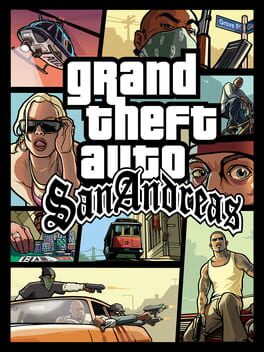
When Grand Theft AutoIII launched in October 2001, it did more than redefine open‑world design; it also introduced a visual identity that would become inseparable from the franchise’s rebellious brand. The original cover, conceived in the late‐1990s, depicted a stylised police cruiser barreling through a neon‑lit cityscape, a composition that echoed the game’s gritty satire of urban authority and set the tone for a generation of sandbox shooters.
Only weeks after the September11 attacks, however, the cultural climate shifted dramatically. Publishers across the globe entered a self‑imposed quarantine on any imagery that could be interpreted as glorifying emergency services or urban violence, and Rockstar’s own legal and marketing teams were forced to re‑evaluate the artwork. Dan Houser, co‑founder and former narrative lead, has since confirmed that the decision was taken at the eleventh hour, replacing the police cruiser with a more abstract silhouette of a city skyline to avoid any inadvertent association with the tragedy.
What Happened?
According to Houser’s recent interview with IGN, the original box art had already entered the final print run when senior executives received a directive from the corporate affairs department to halt distribution until the image could be vetted. The team convened an emergency session, scrapped the original illustration, and commissioned a hastily produced alternative that could be cleared within days. This replacement featured a minimalist, almost monochrome skyline, deliberately stripped of any overt law‑enforcement symbols, and was rolled out across North American and European markets just in time for the scheduled launch.
The logistical scramble was not without cost. Production facilities had to re‑tool presses, and the marketing budget was stretched to accommodate a second round of promotional material, from store‑front displays to television spots. Yet Rockstar’s willingness to absorb these short‑term expenses underscored a broader strategic calculus: protecting the brand’s long‑term reputation was deemed more valuable than a marginal increase in first‑week sales that a controversial cover might have generated.
Analysis
From a market‑performance perspective, the episode illustrates how visual branding can act as both a catalyst and a liability. While GTAIII ultimately sold over 14million copies worldwide, analysts argue that the controversy‑free rollout helped maintain retailer confidence during a period when many chains were reluctant to stock titles with potentially offensive artwork. By pre‑emptively removing a flashpoint, Rockstar avoided the kind of retail pull‑backs that plagued titles such as “Grand Theft Auto: San Andreas” in later years when its “Hot Coffee” mod resurfaced.
Competitor behaviour at the time reinforces the significance of the decision. Studios like EA and Activision were simultaneously revising cover art for games such as “The Sims” and “Call of Duty” to remove any semblance of terrorism or disaster imagery. The technical hurdle of re‑printing physical media in an era before dominant digital distribution was non‑trivial; it required renegotiating contracts with manufacturers and accelerating logistics pipelines. Rockstar’s ability to execute this pivot without a major delay set a precedent for crisis‑responsive publishing that still informs how large publishers handle unexpected socio‑political events today.
XPLog Opinion
At XPLog we view the last‑minute box‑art swap as a telling micro‑cosm of Rockstar’s evolution from a renegade studio to a corporate heavyweight that now balances artistic audacity with brand stewardship. The anecdote dispels the myth that Rockstar operates without external oversight; instead, it reveals a sophisticated risk‑management framework that can mobilise resources quickly when public sentiment threatens to turn hostile. This pragmatic side will likely shape the rollout strategy for the forthcoming GTAVI, where the company is expected to pre‑emptively vet every visual cue against a global cultural radar.
Final Thoughts
The GTAIII box‑art revision may appear as a footnote in a franchise that has generated billions, yet it encapsulates a pivotal moment when the industry learned that image and timing can be as decisive as gameplay. As we await the next major Rockstar reveal, observers should keep an eye on how the company’s newfound caution influences not only its marketing collateral but also the narrative boldness that has defined its legacy.