.png)
Overview
In the spring of 2021, a Saturday Night Live sketch thrust the world’s most recognizable tech billionaire into the mushroom‑filled realm of Nintendo by dressing Elon Musk in a bright‑red cap and overalls that unmistakably echoed the iconic villain Wario. The parody, which imagined Musk promoting a fictional Switch‑2 launch of The Legend of Zelda: Ocarina of Time alongside a tongue‑in‑cheek nod to Grand Theft Auto VI, was an unexpected collision of two cultural powerhouses whose audiences rarely intersect. While the sketch generated a flurry of social‑media chatter, it also illuminated the delicate tightrope that Nintendo walks when external media reinterpret its cherished intellectual property, especially in an era where brand guardianship is as much a legal battle as a cultural one.
Former Nintendo insiders Kit Ellis and Krysta Yang, who have cultivated a reputation for candid post‑mortems on the industry’s behind‑the‑scenes dynamics, revisited the SNL moment in a recent YouTube deep‑dive. Their reflections, framed by personal anecdotes from the time they were still on the payroll, provide a rare glimpse into the corporate mindset that likely evaluated the sketch not merely as a fleeting joke but as a potential threat to Nintendo’s meticulously curated image. By juxtaposing the Musk‑Wario cameo against Nintendo’s historically guarded stance on third‑party portrayals—think of the 1994 “Mario vs. Donkey Kong” legal skirmish or the more recent pushback against fan‑made mods—the duo’s commentary underscores a broader industry conversation about who gets to wield legacy characters in the age of meme‑driven publicity.
What Happened?
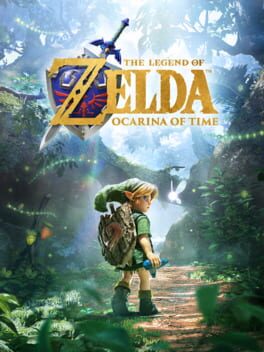
The SNL episode aired a brief segment in which Musk, wearing a custom‑made Wario costume, delivered a hyper‑energetic pitch for a non‑existent Switch 2 console, promising an “Ocarina of Time” remake that would allegedly eclipse the original 1998 launch. The sketch also threw in a tongue‑in‑cheek teaser for Grand Theft Auto VI, a title slated for a November release on platforms far removed from Nintendo’s ecosystem. While the humor leaned on the absurdity of Musk’s tech‑savvy persona colliding with Nintendo’s family‑friendly legacy, the visual of the billionaire brandishing a golden mushroom and a “Wario‑style” grin was unmistakably provocative.
Ellis and Yang, speaking from their post‑Nintendo perspectives, recalled that the internal reaction was one of muted alarm. According to their account, senior marketing executives convened to assess whether the sketch could dilute Nintendo’s brand equity or, conversely, serve as free publicity that might attract a broader, adult‑centric demographic. The consensus, as they reported, leaned toward caution: Nintendo’s legal team was reportedly briefed, and the company opted not to issue a public statement, preferring to let the moment fade without feeding the meme cycle. This measured response aligns with Nintendo’s historical aversion to direct engagement with controversial or off‑brand content, a policy that has both shielded its image and, at times, left it appearing aloof in the fast‑moving digital conversation.
Analysis
The episode highlights a pivotal tension in contemporary entertainment: the clash between legacy IP stewardship and the viral velocity of late‑night comedy. For Nintendo, whose revenue model still heavily relies on hardware cycles and first‑party exclusives, any deviation from its tightly controlled narrative risks unsettling a fanbase that values consistency and nostalgia. Yet the sketch also demonstrated how a single, high‑profile cameo can generate millions of impressions without any marketing spend, suggesting that a nuanced, perhaps even pre‑emptive, engagement strategy could convert such moments into brand‑positive exposure. Competitors like Sony and Microsoft have, over the past decade, embraced more overt cross‑promotional tactics, leveraging celebrity appearances to broaden appeal; Nintendo’s reticence therefore positions it as a potential outlier in an increasingly meme‑driven marketplace.
From a broader market perspective, the Musk‑Wario skit arrived at a time when Nintendo was preparing for the next hardware iteration, rumored to be codenamed “Switch 2.” The timing—coinciding with speculative leaks about a high‑definition overhaul and a possible shift toward cloud‑based services—meant that any public discourse, even satirical, could influence investor sentiment and pre‑order behavior. Moreover, the inclusion of Grand Theft Auto VI, a flagship Rockstar title, hinted at an aspirational cross‑platform dialogue that Nintendo has traditionally eschewed. While the sketch was harmless in intent, it forced Nintendo’s leadership to confront the question of whether to double‑down on platform exclusivity or to explore strategic collaborations that could tap into the massive adult gamer demographic that Musk’s own following represents.
XPLog Opinion
At XPLog UK, we see the Musk‑Wario incident as a missed opportunity for Nintendo to flex a more playful, self‑aware side of its brand. By remaining silent, the company preserved its stoic image but forfeited a chance to demonstrate that its iconic characters can thrive in the chaotic, meme‑rich environment that defines modern pop culture. A well‑crafted, tongue‑in‑cheek response—perhaps a cameo from Mario himself on a future livestream—could have turned a potentially uncomfortable moment into a rallying cry for community engagement, reinforcing Nintendo’s relevance while still protecting its core values.
Final Thoughts
In hindsight, the 2021 SNL sketch serves as a case study in how legacy publishers must navigate the unpredictable currents of internet humor and celebrity crossover. Nintendo’s cautious silence preserved its brand sanctity but also highlighted a strategic blind spot that could become more pronounced as the next console generation approaches. As the industry watches for the official reveal of the Switch 2 and the inevitable flood of fan‑generated content that will accompany it, the lesson is clear: embracing controlled, witty interaction with cultural moments may be the key to staying both timeless and timely. Keep an eye on Nintendo’s upcoming E3 briefing in early 2027, where we expect the company to finally address the balance between reverence for its past and the irreverent future that figures like Elon Musk epitomize.