.png)
Overview
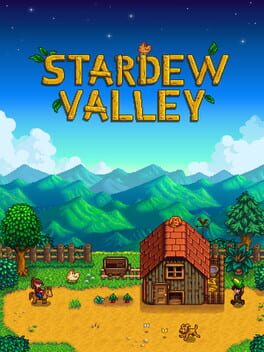
Eric Barone, the solitary architect behind the cultural phenomenon Stardew Valley, has spent the better part of a decade reshaping the expectations of what a one‑person studio can achieve. His original 2016 release not only revitalised the farming‑sim genre but also demonstrated that deep, emergent systems coupled with heartfelt world‑building could thrive in an ecosystem dominated by triple‑A franchises, carving a lucrative niche for indie developers on both PC and console platforms.
In the years since, the indie landscape has become increasingly saturated with hybrid experiences that blend simulation, role‑playing, and action elements—think Hades, Moonlighter, and even the recent surge of “roguelite‑farmers.” Against this backdrop, Barone’s tease of a new “town game” that leans heavily into action RPG mechanics signals a strategic pivot that could redefine his brand and influence the broader market, especially as players demand more kinetic gameplay without abandoning the community‑centric charm that made his first title a staple of modern gaming culture.
What Happened?
During a candid interview with GQ, Barone confirmed that development on The Haunted Chocolatier has been underway for over four years, a timeline that mirrors the gestation periods of many ambitious indie projects that aim to outgrow their predecessor’s scope. He described the upcoming title as “more of an action RPG,” a deliberate departure from the purely agricultural focus of Stardew Valley, while still retaining the “town game” core that anchors the player’s sense of belonging and progression.
The new venture promises an emphasis on “adventuring, finding equipment and getting more powerful,” with explicit references to monster encounters, boss battles, and a loot‑driven progression loop. Barone hinted that the mines of Stardew will evolve into a far more perilous underground, populated by diverse enemy archetypes and rewarding combat mechanics, while the surface town will continue to serve as a hub for crafting, trading, and narrative development.
Analysis
The shift toward action‑oriented gameplay positions The Haunted Chocolatier at the intersection of two lucrative market segments: the evergreen simulation fanbase and the rapidly expanding action RPG audience that has been propelled by titles like Elden Ring and Diablo IV. From a publisher perspective, the move could broaden distribution opportunities across next‑gen consoles, where hardware acceleration for combat‑intensive titles is a selling point, and may entice platform holders to offer promotional support akin to the \"Indie Spotlight\" programs seen on PlayStation and Xbox. However, the technical demands of real‑time combat, AI‑driven enemies, and seamless transition between town and dungeon environments present a steep learning curve for a solo developer, potentially stretching development resources and risking feature creep if not carefully managed.
XPLog Opinion
At XPLog UK we view Barone’s evolution as a litmus test for the sustainability of indie auteurs who aspire to scale their visions without diluting the intimate design philosophy that earned them acclaim. If The Haunted Chocolatier can marry the tactile satisfaction of action combat with the relational depth of a living town, it will set a new benchmark for “hybrid indie” projects and could inspire a wave of creators to experiment beyond genre silos, ultimately enriching the ecosystem for both players and platform ecosystems.
Final Thoughts
While a concrete release window remains unannounced, the four‑year development cycle suggests a launch no earlier than late 2025, with potential early access or demo showcases at major events such as Gamescom or the Xbox Showcase. Gamers should keep an eye on Barone’s official channels for beta invitations, as those will provide the first tangible glimpse of how the beloved town‑building framework will adapt to a more combative, equipment‑centric paradigm.