.png)
Overview
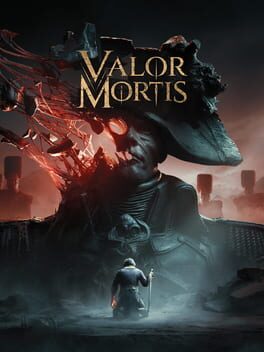
Microsoft’s aggressive Game Pass strategy has entered yet another pivotal moment with the day‑one arrival of Valor Mortis, the latest title from the Ghostrunner studio. Following the surprise launch of Gears of War: E‑Day earlier this month, Xbox is cementing its reputation for delivering high‑profile, premium experiences to its subscription roster without the usual waiting period. This approach reflects a broader industry shift where platform owners are leveraging exclusive or timed‑exclusive releases to retain churn‑prone subscribers, a tactic that has grown in prominence since the early 2020s when the subscription model began eclipsing traditional retail sales in many western markets.
Valor Mortis itself is positioned at the intersection of two thriving trends: the resurgence of souls‑like design philosophies and the rise of post‑apocalyptic, plague‑infested settings that have dominated narrative design since the success of titles like The Last of Us and Dying Light. The game offers a first‑person, high‑velocity combat system reminiscent of Ghostrunner’s parkour‑driven melee, yet it layers this with stamina‑based dodging, punishing enemy patterns, and a progression loop that rewards meticulous timing—hallmarks of the souls‑like genre. By marrying these elements, the developers aim to capture both the kinetic thrill of their previous work and the methodical depth that hardcore audiences have come to expect from recent genre leaders.
What Happened?
The official rollout was announced via a joint Xbox‑Game Pass press release, emphasizing that Valor Mortis would be available to all subscribers from day one across Xbox consoles and Windows PCs. Early critic previews painted a divided picture: reviewers writing for PlayStation‑centric outlets praised the title’s polished visuals, tight controls, and ambitious level design, while many PC‑focused voices highlighted performance inconsistencies and a learning curve that felt less forgiving on keyboard‑mouse configurations. The developer, in a brief interview, underscored their commitment to “delivering a relentless, unforgiving experience that feels rewarding after each narrow escape,” hinting at a design ethos that deliberately eschews accessibility in favor of mastery.
Beyond the qualitative feedback, the launch data suggests a nuanced reception within the Game Pass ecosystem. While subscription uptake spiked modestly in the first 48 hours—a pattern consistent with previous day‑one additions—the retention metrics indicate a sharper drop‑off among PC players compared to console users. This divergence may stem from the title’s first‑person perspective, which traditionally favors controller ergonomics, and from the broader PC market’s expectation for granular graphical settings and mod support—features that Valor Mortis currently offers in a limited capacity.
Analysis
From a market standpoint, Valor Mortis serves as a litmus test for Microsoft’s ability to diversify its Game Pass catalog beyond family‑friendly or legacy titles and into the niche, yet lucrative, hardcore segment. By securing a title that straddles the line between indie‑esque design ambition and AAA production values, Xbox can appeal to a demographic that historically gravitates toward PlayStation’s “hardcore” branding. However, the mixed critical response underscores a risk: if the game’s difficulty spikes are perceived as gatekeeping rather than challenge, it could alienate the very subscriber base Microsoft hopes to expand. Competitors such as PlayStation Plus Premium and Ubisoft+ have been curating similar high‑skill experiences, meaning Valor Mortis must not only deliver quality but also differentiate through exclusive content or community tools.
Technical considerations also loom large. The first‑person souls‑like formula demands precise hit‑registration and fluid animation blending—areas where the Ghostrunner team has previously excelled in a third‑person context but now faces new latency and input‑lag challenges on PC hardware variance. Moreover, the decision to launch simultaneously on console and PC without a staggered optimization window may have amplified the performance disparity noted by reviewers. Looking forward, patches that introduce refined mouse sensitivity curves, configurable difficulty tiers, or even a limited co‑op mode could mitigate early criticism and extend the title’s lifecycle within the subscription pool.
XPLog Opinion
At XPLog UK we view Valor Mortis as a bold, if imperfect, experiment that illustrates Microsoft’s willingness to gamble on genre‑heavy, skill‑centric titles for Game Pass. The game’s core loop is undeniably compelling for players who relish the “learn‑by‑dying” mantra, yet the current execution feels uneven across platforms. Our recommendation is to give the title a measured trial period; early adopters who thrive on high‑risk combat will find ample reward, but the broader subscriber base should temper expectations until the forthcoming performance patches land.
Final Thoughts
Valor Mortis’ day‑one Game Pass launch marks a significant waypoint in the ongoing battle for subscription dominance, highlighting both the opportunities and pitfalls of catering to a hardcore audience at scale. As the developers roll out post‑launch updates and Microsoft continues to refine its curation strategy, the coming months will reveal whether Valor Mortis can evolve from a mixed‑reception entry into a cornerstone of the service’s premium catalogue—a development worth tracking ahead of the Q4 earnings season and the anticipated summer DLC roadmap.