.png)
Overview
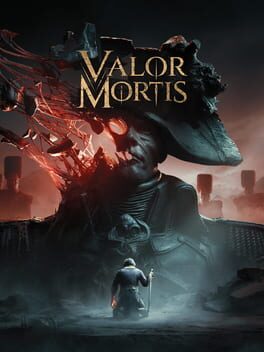
In an era where the term “Soulslike” has become a marketing buzzword as ubiquitous as loot boxes, the genre’s core tenets—punishing difficulty, intricate level design, and cryptic storytelling—have been repeatedly reinterpreted by both AAA powerhouses and indie studios alike. Yet few attempts have managed to carve a genuinely fresh silhouette in the crowded field, until One More Level’s latest offering, Valor Mortis, arrived with a bold, first‑person perspective set against the smoky, blood‑soaked canvas of Napoleonic warfare. By transplanting the genre’s hallmark stamina‑driven melee combat into a historically grounded yet fantastically twisted battlefield, the game not only challenges the conventional third‑person viewpoint but also signals a broader industry shift toward hybridizing historical authenticity with the high‑risk reward loop that defined FromSoftware’s seminal titles.
The studio behind Valor Mortis, a modestly sized UK‑based developer known for its experimental approach to narrative‑driven action, has spent the past three years iterating on a prototype that married period‑accurate uniforms and weaponry with a supernatural plague that mutates flesh into grotesque necro‑blight. This design decision reflects a growing appetite among core gamers for experiences that blend familiar historical milieus with the visceral horror of dark fantasy, a trend observable in recent releases such as Hellish Quart’s duel‑focused combat and the resurgence of gothic war games on PC. Valor Mortis therefore arrives not merely as a novelty but as a litmus test for whether the Soulslike formula can sustain relevance when transplanted into an era far removed from medieval castles and eldritch ruins.
What Happened?
The latest review of Valor Mortis highlights a gameplay loop that thrusts players directly into the eye of the storm, forcing them to engage enemies at arm’s length with a first‑person sabre that feels weighty and unforgiving. The game replaces the genre’s traditional bonfires with makeshift campfires that serve as both a respite and a strategic node for resource management, echoing the series’ emphasis on risk versus reward while adding a tactile, immersive layer to the experience. The necro‑blight—a fleshy, pustulating disease that spreads across the battlefield—acts as an environmental hazard, turning once‑familiar terrain into a living, breathing antagonist that forces players to constantly adapt their positioning and timing.
In developer interviews, One More Level’s creative director emphasized that the decision to adopt a first‑person view was born out of a desire to “sharpen the intimacy of each duel,” arguing that the perspective amplifies the psychological tension inherent in a game where a single misstep can mean instant death. The studio also disclosed that the combat system underwent multiple rewrites to accommodate realistic weapon physics, ensuring that each parry and riposte feels consequential. Moreover, the team has integrated a dynamic weather system that influences visibility and movement, further deepening the strategic calculus and aligning the title with contemporary expectations for emergent gameplay.
Analysis
From a market perspective, Valor Mortis enters a crowded niche where indie developers are increasingly vying for the attention of the same core audience that fuels sales of FromSoftware’s flagship releases. The game’s hybridization of historical warfare and dark fantasy positions it to attract both history enthusiasts and fans of high‑intensity action, potentially expanding the genre’s demographic reach. However, the title also faces significant headwinds: the first‑person adaptation of traditionally third‑person mechanics introduces a steep learning curve that may alienate purists, while the niche setting could limit mainstream appeal in a market still dominated by fantasy and sci‑fi IPs. Technically, the ambition to render large, open battlefields populated with AI‑driven units while maintaining the frame‑rate stability required for precise swordplay presents a formidable challenge, one that could affect post‑launch support and DLC viability.
Competitively, Valor Mortis threatens to nudge larger studios toward experimenting with perspective shifts in their own Soulslike projects, a move that could diversify the genre’s visual language but also risk diluting its core identity if not executed with the same level of polish. The game’s success could also embolden other indie studios to explore underutilized historical periods, prompting a wave of titles that blend authentic period detail with the unforgiving gameplay loops that have become synonymous with modern action‑RPGs. In the long term, the title’s reception will likely influence publisher risk assessments concerning genre‑bending experiments, potentially reshaping funding pipelines for similarly ambitious projects.
XPLog Opinion
At XPLog UK, we view Valor Mortis as a courageous gamble that may well redefine the boundaries of what a Soulslike can be. Its commitment to a first‑person sword‑dance amidst the chaos of Napoleonic combat is a bold statement that the genre is no longer confined to medieval fantasy corridors; it can thrive in any historical tableau that offers the right blend of tension and spectacle. While the learning curve is unforgiving and the visual fidelity may not yet match blockbuster standards, the game’s willingness to innovate—both mechanically and thematically—sets a benchmark for indie ambition that larger studios would be wise to heed.
Final Thoughts
Valor Mortis arrives as a litmus test for the adaptability of the Soulslike framework, marrying a first‑person, historically rooted battlefield with the unforgiving rhythm that defines the genre. Its reception over the coming months will reveal whether players are ready to embrace such a radical perspective shift, and whether publishers will double down on historically infused, high‑risk titles. Keep an eye on the developer’s roadmap for post‑launch content slated for early 2027, as well as potential console exclusivity deals that could further shape the ecosystem’s competitive dynamics.