.png)
Overview
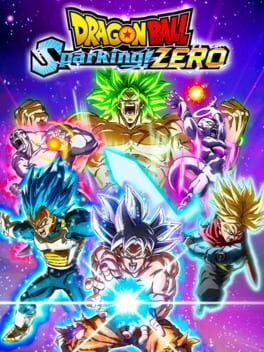
Marking its second birthday, Dragon Ball: Sparking! ZERO has quietly cemented itself as one of the most resilient live‑service experiments on Nintendo hardware. Launched at a time when Nintendo Switch owners were still craving a steady stream of multiplayer experiences beyond the platform’s flagship titles, the game’s free‑to‑play model and anime‑driven combat system filled a niche that many publishers had overlooked, allowing Bandai Namco to experiment with seasonal content without the pressure of a traditional AAA launch window.
That context becomes crucial when the latest roadmap is examined. The industry is witnessing a renewed appetite for cross‑play, driven by player frustration over platform silos and the success of titles like Fortnite and Rocket League in unifying disparate user bases. Nintendo, historically guarded about opening its ecosystem, has gradually softened its stance, most notably with the recent integration of online services across its handheld and console lines. Sparking! ZERO’s announcement therefore arrives at a moment when the console manufacturer is actively courting developers capable of delivering network‑centric experiences that keep the Switch’s user base engaged well beyond its hardware lifecycle.
What Happened?
During a live stream commemorating the game’s anniversary, Bandai Namco revealed a detailed roadmap that extends through the close of 2026 and into 2027, promising a cascade of new fighters, limited‑time events, and entirely fresh game modes. The headline feature, however, is the introduction of cross‑play across all supported Nintendo platforms, effectively allowing Switch owners to battle against players on the upcoming Switch OLED and any future handheld revisions without the need for separate matchmaking pools.
Accompanying the technical rollout, the publisher emphasized that all forthcoming content will remain free, reinforcing the title’s commitment to a “pay‑what‑you‑want” monetisation philosophy that relies on optional cosmetic micro‑transactions. Statements from the development lead highlighted a “player‑first” ethos, noting that the cross‑play infrastructure was built on a revamped netcode that promises lower latency and more stable connections, a direct response to community feedback that has long cited matchmaking inconsistencies as a pain point.
Analysis
The decision to enable cross‑play at this stage signals a strategic pivot for Bandai Namco, aligning the title with the broader industry trend of breaking down platform barriers to sustain player retention. By expanding the active player pool, the game mitigates the classic “early‑adopter drop‑off” curve that haunts many free‑to‑play services, thereby extending its revenue tail through increased exposure to cosmetic sales. Moreover, the roadmap’s multi‑year horizon suggests confidence in the Switch’s installed base, which, despite the imminent arrival of next‑generation hardware, remains robust due to its low price point and expansive library.
From a technical standpoint, implementing cross‑play on Nintendo hardware is non‑trivial. The Switch’s networking stack differs markedly from that of PlayStation and Xbox, requiring bespoke server architecture and rigorous certification processes. Bandai Namco’s investment in a unified backend hints at a potential future where the title could also bridge over to other platforms, positioning Sparking! ZERO as a candidate for true multi‑console presence—a move that could pressure competitors to follow suit, reshaping the live‑service landscape on Nintendo devices.
XPLog Opinion
At XPLog we view the cross‑play rollout as a decisive gamble that could pay dividends far beyond the immediate player count. It demonstrates Bandai Namco’s willingness to adapt to a market that increasingly rewards ecosystem openness, and it provides Nintendo with a showcase title that validates its recent policy shifts. If the promised free updates deliver the depth and polish expected, Sparking! ZERO may become the de‑facto standard‑bearer for how anime‑licensed live services can thrive on a console traditionally seen as family‑oriented.
Final Thoughts
In sum, Dragon Ball: Sparking! ZERO’s cross‑play announcement and expansive roadmap constitute more than a birthday celebration; they represent a calculated effort to future‑proof a live‑service franchise within an evolving console ecosystem. Players should keep an eye on the upcoming “Universal Tournament” event slated for early 2027, which will likely serve as the first public test of the new netcode and a bellwether for how effectively Bandai Namco can sustain momentum as the Switch ages.