.png)
Overview
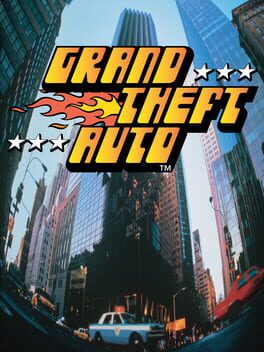
Rockstar Games has spent the better part of two decades defining open‑world storytelling, with Grand Theft Auto evolving from the pixelated streets of Liberty City to the sprawling, photorealistic sandbox that now dominates headlines. Each new entry has not only reset sales records but also reshaped expectations for narrative depth, technical ambition, and cultural relevance. As the company quietly gears up for the next chapter, the industry watches a market that has shifted dramatically: subscription services, cross‑play ecosystems, and a generation of gamers accustomed to near‑instant content drops have all raised the stakes for a title that historically launched as a singular, blockbuster event.
In this climate, the spectre of leaks has become a double‑edged sword. Early‑stage data dumps from previous generations have shown that even a handful of screenshots can spark weeks of speculation, influencer content, and secondary market activity. Yet the balance between hype and security is fragile; a full, playable build leaking before the official reveal would upend marketing cycles that have been honed since the era of physical disc launches. The current episode involving the notorious leaker known as CyberLeek therefore arrives at a pivotal moment, where the ripple effects could influence not just Rockstar’s bottom line but also broader publisher strategies around information control and community engagement.
What Happened?
According to multiple reliable sources, the individual operating under the moniker CyberLeek has escalated a long‑standing pattern of fragmentary GTA 6 leaks by issuing an ultimatum: unless a substantial financial demand is met, a complete, start‑to‑finish build of the game will be uploaded to a public torrent network within the next 48 hours. The claim is not merely speculative; CyberLeek allegedly possesses a version of the game that includes core mission scripts, map data, and functional gameplay loops, suggesting access to a pre‑alpha or early‑beta build that has bypassed Rockstar’s internal security layers.
Rockstar’s legal team has already issued cease‑and‑desist notices to several hosting platforms, while the company’s public relations outlet released a terse statement affirming that “any unauthorized distribution of proprietary material is a violation of both intellectual property law and the trust of our global community.” The reaction among the player base has been a mixture of outrage, curiosity, and a surprisingly measured patience, as forums and Discord channels debate the authenticity of the claim, the potential fallout for future releases, and the ethical considerations of consuming content that may have been obtained through illicit means.
Analysis
The immediate market implication of a full build surfacing is profound. Even a single leak can depress pre‑order momentum, but a playable iteration could erode the narrative surprise that Rockstar has historically leveraged to command premium pricing and extended post‑launch support. Competitors such as Ubisoft and Take‑Two’s own 2K division have recently experimented with staggered content releases, and a compromised launch window for GTA 6 could accelerate a shift toward episodic or live‑service models across the industry, as publishers seek to mitigate the risk of a single catastrophic breach.
From a technical perspective, the existence of a near‑complete build raises questions about Rockstar’s development pipeline. Modern AAA studios employ layered security, compartmentalized asset management, and frequent internal builds that are encrypted and watermarked. If CyberLeek’s source is genuine, it may indicate a lapse in internal vetting or an insider breach, which could prompt a reevaluation of pipeline architecture not only at Rockstar but across all studios handling high‑value IP. Moreover, the potential distribution of a build across multiple console ecosystems—PlayStation, Xbox, and PC—could force platform holders to reconsider their certification and anti‑tamper policies, especially as they grapple with the balance between user freedom and protecting publisher assets.
XPLog Opinion
At XPLog UK we view CyberLeek’s threat as a watershed moment that underscores the fragility of the traditional blockbuster launch model. While the allure of a “leaked” full game may tantalise a segment of the community, the long‑term health of the medium depends on preserving the integrity of the creator‑consumer contract. Rockstar’s response should therefore focus not merely on legal recourse but on transparent communication that re‑affirms its commitment to delivering a polished, narrative‑driven experience—something that no premature build can replicate. The industry would do well to treat this incident as a catalyst for stronger cross‑studio security collaborations and a renewed emphasis on post‑launch value rather than pre‑launch hype.
Final Thoughts
Whether CyberLeek follows through on the threat or retreats under legal pressure, the episode will leave an indelible mark on the rollout strategy of GTA 6 and on how publishers safeguard their crown jewels. Stakeholders should keep a close eye on any official updates slated for the upcoming investor call in November, as well as on the broader conversation about leak mitigation that is likely to dominate industry panels at the next Game Developers Conference. The outcome will shape not only Rockstar’s next fiscal quarter but also the evolving relationship between developers, platforms, and the ever‑hungry gaming audience.