.png)
Overview
The Silent Hill franchise, once the crown jewel of 1990s survival horror, has spent the better part of the last decade in a state of limbo. After a series of missteps and a long‑standing focus on mobile and pachinko ventures, Konami’s recent decision to revive the series with a high‑budget remake of Silent Hill 2 signalled a calculated return to its core pedigree, and the industry has been watching the ripple effects with keen interest.
That ripple has grown into a tidal wave of consumer appetite for psychological terror, as evidenced by the commercial resurgence of Resident Evil, the critical acclaim of indie horror titles, and the rise of streaming platforms that reward narrative‑driven experiences. In this climate, a new wave of Silent Hill projects is not merely a nostalgic cash‑grab; it is a strategic move to capture a market segment that values atmosphere, storytelling, and the unsettling edge that only a franchise like Silent Hill can deliver.
What Happened?
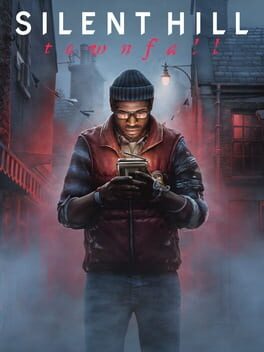
In a recent interview, veteran producer Motoi Okamoto confirmed that Konami is already mapping out “a number of projects” that will follow the initial wave of releases, which includes the Silent Hill 2 remake and the upcoming Silent Hill: Townfall. Okamoto emphasized that the studio is treating these titles as a cohesive slate rather than isolated experiments, aiming to rebuild the brand’s identity through consistent tonal and design language.
The producer also hinted at a multi‑platform strategy that will see future installments launch on both current‑generation consoles and PC, with a particular focus on leveraging the PlayStation 5’s haptic feedback and Xbox Series X’s ray‑tracing capabilities to heighten the series’ signature dread. While no concrete release windows were disclosed, the language used by Konami suggests that development pipelines are already in motion, with several internal teams and external partners, including the Polish studio Bloober Team, being consulted to ensure technical fidelity.
Analysis
From a market perspective, Konami’s renewed investment in Silent Hill arrives at a moment when survival horror is experiencing a renaissance across multiple revenue streams. The Silent Hill 2 remake’s launch week sales exceeded expectations, pulling the franchise back into the top‑ten of UK physical game charts and prompting a surge in pre‑orders for upcoming titles. This performance not only validates Konami’s gamble but also forces competitors such as Capcom and Bandai Namco to reassess their own horror pipelines, potentially accelerating the development of sequels and spin‑offs to avoid ceding market share.
Technical hurdles, however, remain a significant factor. The original Silent Hill engine was built around the PlayStation 2 architecture, and translating its oppressive fog and grainy textures into modern high‑definition pipelines without losing the unsettling aesthetic is a delicate balancing act. Moreover, the franchise’s legacy of fragmented storytelling means that any new entry must reconcile fan expectations for narrative depth with the commercial imperative of broader accessibility—a tension that could dictate whether the next wave is a series of tightly‑woven sequels or a collection of anthology‑style experiences.
XPLog Opinion
XPLog’s stance is clear: Konami’s ambition to re‑anchor Silent Hill within the mainstream horror conversation is both bold and necessary. The company’s historical reliance on legacy IPs without substantive innovation has eroded its credibility, but a disciplined, narrative‑first approach could restore trust among core gamers and open doors for cross‑media ventures, from streaming series to VR experiences, that amplify the franchise’s unique psychological impact.
Final Thoughts
In sum, the declaration of a second wave of Silent Hill projects marks a pivotal juncture for Konami, the wider horror genre, and the console ecosystems that will host these games. Players should keep an eye on Konami’s upcoming investor briefings, the anticipated E3 showcase in March 2027, and any further statements from Motoi Okamoto, as these will provide the first concrete milestones for what could become the most consequential revival of a classic franchise in the current generation.