.png)
Overview
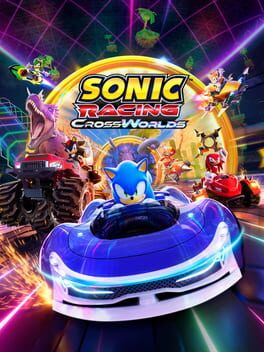
SEGA’s decision to slash the price of Sonic Racing: CrossWorlds forever is more than a simple promotional stunt; it signals a strategic pivot in how the company is approaching the increasingly crowded kart‑racing market. The Sonic franchise, once synonymous with high‑speed platforming, has spent the last decade dabbling in spin‑offs that range from endless runners to rhythm titles, but the racing sub‑genre has remained a surprisingly resilient pillar. CrossWorlds, launched amid a wave of next‑gen console roll‑outs, arrived to a landscape dominated by heavyweight franchises such as Mario Kart and newer entrants like Crash Team Racing Nitro‑Fueled, all of which have leaned heavily on robust post‑launch content pipelines to retain player interest. By making the base game permanently cheaper, SEGA is attempting to lower the barrier to entry, expand the install base, and create a fertile ground for the ambitious DLC roadmap it has just unveiled.
The timing of the price cut dovetails with broader industry trends toward “games as a service” pricing models, where the initial purchase is often just the gateway to a continuous stream of monetised updates. In the past three years, major publishers have experimented with subscription bundles, seasonal passes, and episodic expansions to keep revenue flowing long after launch. For SEGA, whose recent financial reports have shown a modest rebound after a period of under‑performance in the console segment, the move can be read as an effort to capture a larger share of the lucrative mid‑core racing audience while simultaneously demonstrating confidence in the longevity of CrossWorlds’ content pipeline.
What Happened?
At a live‑streamed press event earlier this week, SEGA announced that Sonic Racing: CrossWorlds will retain a permanently reduced price point of $19.99 on all major digital storefronts, a cut of roughly 30% from its original launch price. Alongside the price reduction, the publisher revealed a sprawling Year‑Two DLC plan that includes three new themed worlds, eight additional tracks, a roster of fan‑requested characters—including classic Sonic allies and a surprise cameo from a rival franchise—and a suite of gameplay modifiers that promise to keep the competitive meta fresh. The DLC slate is structured as a quarterly “Season Pass” that will be sold either as a bundled package or as individual drops, giving players flexibility while ensuring a steady cadence of new content.
SEGA’s development lead, Hiroshi Saito, emphasized that the DLC will be built on the same engine that powered the original release, allowing for seamless integration of new assets without the performance penalties that have plagued other live‑service titles. The roadmap outlines the first wave of content to drop in December, coinciding with the holiday sales window, followed by subsequent releases in March, June, and September. Notably, each update will be accompanied by community‑driven events and leaderboard challenges, a clear nod to the esports‑centric approach that has proven successful for titles like Rocket League and Forza Horizon.
Analysis
The permanent discount, when paired with a robust DLC calendar, positions CrossWorlds to capitalize on a dual‑revenue stream: immediate sales uplift from the lower price and long‑term monetisation via post‑launch content. Historically, games that have successfully executed this model—such as Nintendo’s Mario Kart Tour and Activision’s Call of Duty: Warzone—have demonstrated that a larger active player base translates into higher engagement metrics, which in turn drive micro‑transaction spend and brand loyalty. SEGA’s gamble hinges on its ability to sustain a high‑quality pipeline; any dip in content polish could erode the goodwill generated by the price cut and push players back toward the more established competitors.
From a technical perspective, the decision to reuse the existing engine mitigates development risk but also imposes constraints on the scope of visual and gameplay innovations. SEGA will need to balance the desire for fresh, eye‑catching environments with the practical limits of the current architecture, especially as they aim to deliver high‑frame‑rate performance across both current‑gen consoles and PC. Moreover, the integration of community events suggests an underlying analytics framework that can adapt matchmaking and reward structures in real time—a capability that, if executed well, could set a new benchmark for live‑service racing titles.
XPLog Opinion
From XPLog’s perspective, SEGA’s bold price‑cut combined with an aggressive DLC rollout is a calculated risk that could pay dividends if the company can maintain a relentless cadence of high‑quality content; it signals a willingness to abandon the traditional “one‑off” launch mentality in favour of a living, breathing ecosystem that treats the Sonic brand as an evergreen franchise rather than a nostalgic cash‑cow.
Final Thoughts
In sum, the permanent discount and the Year‑Two DLC strategy position Sonic Racing: CrossWorlds as a potential case study in how legacy publishers can revitalize niche franchises within a service‑oriented market. Players should keep an eye on the December launch of the first DLC wave and the subsequent quarterly updates, as each will reveal whether SEGA can sustain the momentum required to challenge the entrenched kart‑racing giants and carve out a lasting niche for Sonic on the racetrack.