.png)
Overview
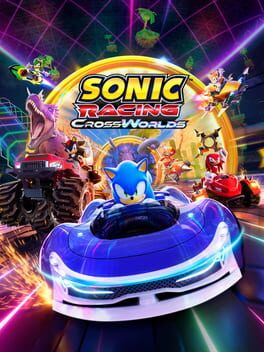
Sonic Racing: CrossWorlds entered the crowded kart‑style arena in early 2025 with a hybrid live‑service model that blended the franchise’s signature speed with a seasonal content cadence. While the original launch leaned heavily on a paid‑upfront price, Sega quickly pivoted to a free‑to‑play structure, echoing the broader industry trend where ongoing revenue streams are cultivated through cosmetics, battle passes, and collaborative events. This shift placed Sonic Racing squarely against entrenched juggernauts such as Nintendo’s Mario Kart series and emerging cross‑platform racers that have leveraged massive player bases to secure long‑term profitability.
Beyond the headline‑grabbing speed, the title’s development history reveals a calculated gamble: Sega invested in a robust netcode overhaul and a cross‑play backbone that would allow PlayStation, Xbox, Switch, and PC users to compete on a single leaderboard. The decision reflected a post‑pandemic reality where gamers expect seamless connectivity regardless of hardware, and it positioned Sonic Racing as a potential flagship for Sega’s broader “Live Service First” roadmap, a strategy that aims to diversify revenue beyond traditional single‑purchase titles.
What Happened?
At a glossy virtual showcase streamed on 12 October 2026, Sega announced that Year Two of Sonic Racing: CrossWorlds will kick off on 3 November 2026. The company labeled the launch a “major day‑one update,” promising a suite of quality‑of‑life improvements, new vehicle skins, and an expanded roster of free‑to‑play characters that will be available to all players from the outset. In tandem, Sega confirmed the rollout of Season Pass Two, a tiered content bundle that will deliver a steady drip of new tracks, game modes, and limited‑time events throughout the upcoming twelve‑month cycle.
The showcase also hinted at fresh collaborations that will see beloved characters from other Sega franchises and third‑party IPs appear as guest racers, a move designed to broaden the game’s appeal and tap into nostalgia‑driven audiences. Additionally, the developers teased a “CrossWorlds” narrative expansion that will interlink the various seasonal universes, offering players a cohesive storyline that rewards progression across multiple updates—a clear attempt to deepen engagement beyond the typical one‑off race.
Analysis
From a market perspective, the timing of this announcement aligns with a resurgence of free‑to‑play racing titles that have demonstrated strong monetisation through micro‑transactions and seasonal passes. By delivering a substantial free content bundle on day one, Sega is attempting to lower the barrier to entry, a tactic that historically boosts DAU (daily active users) and improves retention metrics. The inclusion of free characters also mitigates the criticism that live‑service games often gate core gameplay behind paywalls, positioning Sonic Racing as a more consumer‑friendly alternative to its competitors.
However, the technical ambition of sustaining cross‑play across four major platforms cannot be understated. Maintaining parity in performance, handling latency, and delivering regular patches without fragmenting the player base will demand a disciplined development pipeline. Moreover, the reliance on Season Pass Two for a significant portion of new content introduces a risk: if the post‑launch content fails to resonate, player churn could accelerate, eroding the very ecosystem Sega seeks to nurture.
XPLog Opinion
XPLog views Sega’s Year Two roadmap as a bold, if not necessary, evolution; the company is finally treating Sonic Racing not as a one‑off spin‑off but as a living platform that can compete with the likes of Mario Kart Tour and Forza Horizon’s live‑service model. While the free‑to‑play approach will likely broaden the player base, the true test will be whether the seasonal narrative and collaborative content can sustain excitement beyond the initial hype, especially in a market that rewards consistent innovation over occasional flash events.
Final Thoughts
In summary, the November 3 launch marks a decisive moment for Sonic Racing: CrossWorlds, as Sega bets on free‑to‑play accessibility, cross‑platform unity, and a content‑driven narrative to cement its place in the racing genre. Players and analysts alike should keep an eye on the rollout of Season Pass Two in December, the first collaborative racer reveal in January 2027, and the quarterly performance reports that will reveal whether Sega’s gamble translates into lasting market share.