.png)
Overview
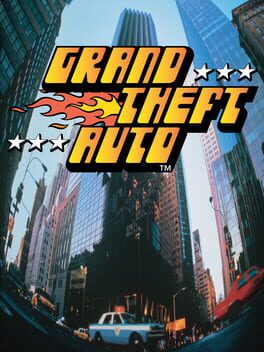
Rockstar Games, the studio behind the blockbuster Grand Theft Auto franchise, has long been a bellwether for both commercial success and the evolving dynamics of the video‑game labour market. From its early days as a modest off‑shoot of BMG Interactive to its current position as a multi‑billion‑dollar juggernaut under Take‑Two Interactive, Rockstar has consistently pushed the envelope in terms of production values, narrative ambition, and, increasingly, its relationship with the workforce that powers those ambitions. Over the past decade, the industry has witnessed a wave of high‑profile union drives—from the International Game Developers Association’s push for collective bargaining to the more recent formation of grassroots Discord collectives that aim to protect developers from the notorious crunch culture that has haunted AAA pipelines.
That broader context is essential to grasp the significance of the latest legal showdown that pits Rockstar against a coalition of former employees, led by the activist group Garland & Others. The case arrives at a moment when labor activism in tech and entertainment is reaching a critical mass, buoyed by successful campaigns at companies like Ubisoft and Activision Blizzard. Simultaneously, investors are demanding stability and predictability, fearing that prolonged disputes could erode brand equity and delay revenue‑generating releases. The tension between these forces creates a volatile arena in which any misstep by a high‑profile publisher can reverberate across console ecosystems, shareholder confidence, and the morale of a generation of developers who have grown up watching Rockstar’s titles dominate cultural conversation.
What Happened?
During a recent deposition, a senior HR manager at Rockstar disclosed that he possessed “little interest” in the union‑membership status of an employee who had anonymously tipped off management about internal organising efforts. This seemingly offhand remark gained traction because it was made shortly before the studio executed a wave of layoffs that disproportionately affected members of a Discord server dedicated to union discussion. The HR official’s admission, captured in court filings, suggests a deliberate disengagement from the evidence that could have informed a more nuanced response to the organising drive, effectively allowing the company to sidestep the procedural safeguards typically required when handling collective‑bargaining activity.
The lawsuit, filed under the banner of Garland & Others, alleges that Rockstar engaged in coordinated union‑busting tactics, including the targeted termination of staff known to be vocal about labour rights. The plaintiffs point to internal emails, meeting minutes, and the timing of the dismissals as a pattern that violates the National Labor Relations Act. While Rockstar’s legal team maintains that the layoffs were purely performance‑based and part of a broader restructuring plan, the court documents reveal a stark disconnect between the company’s public statements about “respect for employee voices” and the internal actions taken by its human‑resources apparatus.
Analysis
The immediate market impact of the controversy is already manifesting in subtle shifts of investor sentiment. Take‑Two Interactive’s stock has experienced modest volatility since the case entered the public domain, reflecting concerns that prolonged litigation could delay upcoming releases such as the next GTA installment—a title that traditionally drives a significant portion of the publisher’s quarterly earnings. Moreover, the perception of a hostile labour environment may deter top‑tier talent from joining Rockstar, potentially compromising the studio’s ability to deliver the cinematic quality that fans have come to expect. In an industry where talent pipelines are already strained by the exodus of developers toward indie studios and remote‑first models, any erosion of employer brand equity can have long‑term repercussions on product pipelines.
From a competitive standpoint, Rockstar’s handling of the dispute could serve as a cautionary tale for rival AAA developers who are navigating similar pressures. Companies such as CD Projekt Red, which recently weathered its own union‑related controversies, have begun to adopt more transparent communication strategies and formalised grievance processes to mitigate legal exposure. Meanwhile, console manufacturers—Microsoft, Sony, and Nintendo—are watching closely, as labour unrest at a flagship studio could affect platform exclusivity negotiations, launch windows, and ultimately, the ecosystem balance that underpins their hardware sales. Technical hurdles are also a hidden cost; when development teams are destabilised, milestones slip, and the intricate choreography required for next‑gen optimisation can falter, leading to performance compromises that directly affect consumer experience.
XPLog Opinion
At XPLog UK we view Rockstar’s apparent indifference to union‑related evidence not merely as a legal misstep but as a strategic blind‑spot that threatens the studio’s cultural relevance. In an era where gamers are increasingly attuned to the ethical dimensions of the products they consume, a publisher that appears to sideline its workforce risks alienating a core demographic that values transparency and fair treatment. The long‑term health of the industry hinges on a paradigm shift where studios treat collective bargaining as a partnership rather than an adversarial obstacle; Rockstar’s current trajectory suggests it has yet to make that leap, and the fallout could reverberate far beyond the courtroom.
Final Thoughts
The unfolding saga will likely dominate headlines through the next fiscal quarter, with key dates including the scheduled pre‑trial conference in early December and a potential settlement window before the year‑end earnings call. Observers should monitor how Rockstar’s leadership communicates with both investors and the broader player community, as any conciliatory gestures—or lack thereof—will set a precedent for how high‑profile publishers navigate the growing tide of unionisation across the gaming sector. Ultimately, the case may become a defining moment that reshapes the power dynamics between developers, publishers, and the audiences that fuel the industry’s relentless growth.