.png)
Overview
Sucker Punch Productions, best known for narrative‑driven action franchises such as Infamous and the critically acclaimed Ghost of Tsushima, has spent the past year re‑imagining its 2022 launch title, Ghost of Yotei. The original release arrived at a time when the PlayStation 5 ecosystem was still solidifying its library, and the game’s hybrid open‑world design aimed to showcase the console’s fast SSD and DualSense capabilities. However, the title’s initial reception was mixed; while many praised its artistic direction and combat fluidity, technical hiccups—ranging from frame‑rate dips to occasional texture pop‑ins—marred the experience for a segment of the core audience. In response, Sucker Punch announced a “Complete Edition” that promised a richer narrative, additional side quests, and a host of quality‑of‑life improvements, positioning the re‑release as a definitive version for both newcomers and veterans.
The decision to push a substantial post‑launch overhaul aligns with a broader industry shift toward “games as a service” mindsets, where developers treat titles as evolving platforms rather than static products. Sony’s own PlayStation Studios have embraced this model, delivering free updates and seasonal content for flagship franchises, while third‑party publishers increasingly view patches as a way to extend a game’s commercial lifespan. In this climate, a 1.2 GB patch for a PS5 title is not merely a bug‑fix roll‑out; it is a statement of intent, signalling that Sucker Punch intends to protect its brand equity and keep the Complete Edition competitive against next‑gen releases from rivals such as Ubisoft’s Assassin’s Creed Mirage and Nintendo’s upcoming open‑world entries.
What Happened?
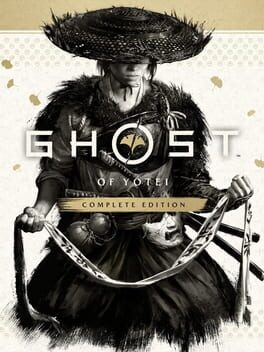
On Monday, the Seattle‑based studio released a roughly 1.2 GB update for Ghost of Yotei: Complete Edition, targeting the most pressing technical issues that surfaced after the expanded launch. The patch, distributed via the PlayStation Network, addresses a constellation of bugs that previously caused sporadic black‑screen events, particularly during high‑intensity combat sequences and when loading large, foliage‑dense areas. In addition to the visual anomalies, the update rectifies several animation glitches, resolves audio desynchronisation on certain cutscenes, and stabilises the game’s save‑state system, which had been prone to corruption on rare hardware configurations.
Sucker Punch announced the fix on its official Twitter feed, accompanied by a brief developer commentary that emphasized their commitment to “delivering a polished, complete experience for every player on the platform.” The studio refrained from providing a detailed changelog, opting instead for a high‑level summary that highlighted the elimination of “unexpected black screen errors” and the overall enhancement of performance stability. This measured communication strategy reflects a growing awareness among publishers that over‑promising can backfire, especially when the community’s patience is already stretched thin by earlier technical setbacks.
Analysis
The patch arrives at a critical juncture for the title’s sales trajectory. Early‑quarter figures indicated a modest uptick in Complete Edition purchases, but the momentum was threatened by negative user reviews that cited the black‑screen bug as a deal‑breaker. By addressing the most visible flaw, Sucker Punch is likely to stem the tide of refund requests and restore confidence among hesitant buyers, which could translate into a measurable bump in digital sales during the upcoming holiday window. Moreover, the update positions the game more favorably against competing next‑gen releases that are touting “launch‑ready” polish, thereby preserving Sony’s broader ecosystem narrative of a high‑quality exclusive lineup.
From a technical perspective, delivering a 1.2 GB patch on the PS5 is a non‑trivial undertaking. The console’s ultra‑fast SSD enables rapid download and installation, yet developers must still contend with memory allocation constraints and the need to ensure backward compatibility with existing save data. Sucker Punch’s ability to integrate comprehensive fixes without forcing players to reinstall the base game demonstrates a mature pipeline for post‑launch support—a capability that will be increasingly essential as studios adopt modular content strategies and live‑service elements. Looking ahead, the studio may leverage this momentum to roll out additional content expansions, potentially exploring new story arcs or multiplayer modes that could further cement Ghost of Yotei as a staple of the PS5 library.
XPLog Opinion
At XPLog UK, we view this patch not merely as a corrective measure but as a litmus test for Sucker Punch’s long‑term credibility. The studio has historically set high bars for narrative ambition, yet the technical rough edges of Ghost of Yotei threatened to undermine that reputation. By confronting the black‑screen issue head‑on, Sucker Punch demonstrates a willingness to protect its artistic vision through diligent engineering—a combination that, if sustained, could see the Complete Edition evolve into a benchmark for how mid‑size studios manage post‑launch lifecycles in the era of high‑expectation next‑gen gaming.
Final Thoughts
The 1.2 GB patch marks a decisive step toward fulfilling the promise of a truly “complete” edition, and it offers a glimpse into how Sucker Punch may navigate future updates and content drops. Players can now anticipate a smoother, more reliable experience as the studio fine‑tunes the title ahead of the year‑end sales push, while industry watchers should keep an eye on subsequent announcements—particularly any DLC roadmaps or cross‑play initiatives—that could further solidify Ghost of Yotei’s standing within the competitive PS5 landscape.