.png)
Overview
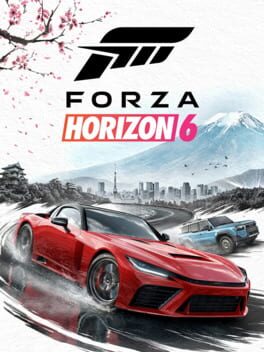
When Playground Games unveiled Forza Horizon 6 last autumn, the announcement reverberated far beyond the traditional Xbox camp. The Horizon franchise, which began as a bright‑eyed celebration of car culture in 2012, has steadily evolved into the genre's benchmark for seamless open‑world exploration, dynamic weather systems, and community‑driven events. Sony’s own console audience, long accustomed to the sleek realism of Gran Turismo and the arcade flair of Need for Speed, responded with a surprisingly enthusiastic reception to Horizon 5’s PlayStation port, proving that the series’ appeal transcends hardware allegiance.
That cross‑platform curiosity arrives at a pivotal moment for the racing genre. 2024‑25 will see a crowded slate of high‑profile releases, from the next iteration of Gran Turismo on the PlayStation 5 to EA’s ambitious open‑world racer slated for early 2026. Meanwhile, subscription services such as Xbox Game Pass and PlayStation Plus Premium are reshaping how players discover and engage with new titles. In this climate, a timed premium expansion that lands simultaneously on PlayStation, Xbox, and PC is both a bold marketing gambit and a litmus test for the viability of true cross‑ecosystem continuity.
What Happened?
Playground Games confirmed that the first premium expansion for Forza Horizon 6 will drop on 21 January 2027, aligning with the console’s official launch on PlayStation 5. While the base game’s full PlayStation rollout is scheduled for 26 January, Sony customers will have the option to purchase early access for a modest surcharge, granting them five extra days of festival‑ready gameplay. This staggered launch mirrors a strategy first employed by Ubisoft’s Tom Clancy titles, where early‑bird pricing incentivises pre‑orders without fragmenting the player base.
The expansion itself is billed as a “Festival of Speed” set in a fictionalized version of the Iberian Peninsula, promising new car manufacturers, a bespoke weather engine that cycles between scorching summer heat and sudden midnight rain, and a suite of community‑crafted challenges. Crucially, the developers reiterated that cross‑play and cross‑save will be fully functional across PS5, Xbox Series X|S, and Steam, meaning a player can start a race on a console and finish it on a PC without loss of progress. Statements from co‑lead designer Maya Patel highlighted the ambition: “We want the Horizon experience to be as fluid as the cars we’re driving, regardless of where you plug in.”
Analysis
From a market perspective, the January 2027 window is strategically chosen. Historically, the post‑holiday lull sees a dip in blockbuster releases, allowing niche titles to capture attention without competing against the megahits that dominate Q4. By pairing the expansion with the PlayStation 5 launch, Playground Games taps into a surge of early adopters eager for fresh experiences, potentially boosting both unit sales and subscription churn for Xbox Game Pass, where Horizon 6 already enjoys a prominent slot. Moreover, the early‑access surcharge creates an additional revenue stream that could offset the higher development costs associated with multi‑platform parity.
Technically, delivering seamless cross‑save across three distinct ecosystems is no small feat. Sony’s proprietary architecture, Microsoft’s Azure‑backed cloud services, and Valve’s Steam DRM each present unique challenges for data synchronization and anti‑cheat enforcement. The fact that Playground Games is committing to this level of integration signals a broader industry shift toward platform‑agnostic ecosystems, a trend accelerated by the success of cross‑play in titles like Fortnite and Rocket League. Should the Horizon team pull off a glitch‑free experience, it will set a new standard that could pressure rival studios to prioritize similar infrastructure investments.
XPLog Opinion
At XPLog UK we view the January 2027 expansion as a watershed moment for open‑world racing. It demonstrates that premium content can serve as a launch catalyst rather than a post‑mortem cash grab, and it underscores Playground Games’ confidence in the Horizon brand’s ability to draw players across console divides. If the cross‑save promises hold up, it will not only deepen player loyalty but also erode the traditional “console lock‑in” that has long protected platform exclusives. In short, Horizon 6’s expansion could become the blueprint for how high‑budget live‑service games navigate a fragmented hardware landscape while still delivering a cohesive, premium experience.
Final Thoughts
As the calendar flips to 2027, the convergence of a new console launch, a high‑profile premium expansion, and robust cross‑platform support positions Forza Horizon 6 at the forefront of the racing genre’s evolution. Players should keep an eye on the official PlayStation 5 release notes in early January, as well as the forthcoming developer livestream slated for late December, which promises deeper insight into the expansion’s road map and post‑launch content cadence. Whether Horizon 6 can sustain its momentum against looming competitors will hinge on its ability to deliver a frictionless, community‑first experience that justifies the extra spend for early‑bird fans.