.png)
Overview
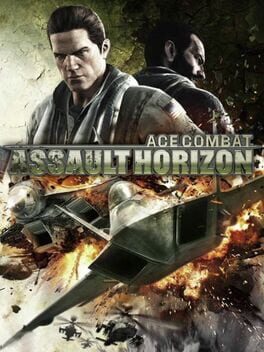
When Bandai Namco first launched the Ace Combat franchise in 1995, it positioned itself as a niche yet ambitious challenger to the dominant flight‑sim titles of the era. Over the past two and a half decades the series has oscillated between arcade‑styled dogfights and more narrative‑driven aerial epics, cultivating a loyal fanbase that appreciates both the visceral thrill of high‑speed combat and the series' signature cinematic storytelling. Titles such as Ace Combat 04: Shattered Skies and Ace Combat: Assault Horizon pushed the envelope in terms of graphical fidelity and mission design, but sales have traditionally been modest, reflecting the genre's limited mainstream appeal compared with heavyweight franchises like Call of Duty or FIFA.
In the broader context of 2024’s gaming landscape, the market has become increasingly fragmented, with live‑service shooters, battle‑royale juggernauts, and expansive RPGs dominating headline numbers. Yet the resurgence of premium, single‑player experiences—fuelled by a growing appetite for narrative depth and high‑production values—has opened a narrow corridor for titles like Ace Combat 8 to thrive. The game launched simultaneously on PlayStation 5, Xbox Series X|S, and PC, leveraging the latest hardware capabilities to deliver photorealistic clouds, dynamic weather, and a soundtrack that harks back to the series' orchestral roots, positioning it as a showcase for next‑gen performance while also catering to long‑time enthusiasts.
What Happened?
Within just seven days of its global release, Ace Combat 8 has eclipsed the one‑million‑unit mark, a milestone that not only crowns it the fastest‑selling entry in the series but also places it tantalisingly close to becoming the highest‑grossing title in the franchise’s history. The sales surge has been driven by a combination of pre‑order momentum, robust digital storefront visibility, and a wave of positive user reviews that amplified word‑of‑mouth across social platforms. Early data indicates a balanced split between physical and digital purchases, suggesting that collectors still value the tangible allure of limited‑edition steelcases, while the broader player base embraces the convenience of instant downloads.
Critical reception has mirrored the commercial enthusiasm, with aggregate scores hovering in the high 80s on major review sites and several publications lauding the game’s refined flight mechanics, expansive campaign, and meticulous attention to atmospheric detail. Bandai Namco’s development lead, Kazuma Kujo, highlighted that the team deliberately prioritized a “cinematic combat experience” over pure simulation fidelity, a design decision that appears to have resonated with both veterans and newcomers. Community forums are already buzzing with speculation about post‑launch support, ranging from seasonal sky‑themed events to potential expansion packs that could further flesh out the series' rich lore.
Analysis
From a market perspective, Ace Combat 8’s rapid sales trajectory signals a noteworthy shift in how premium, genre‑specific titles can capture mainstream attention when paired with next‑gen hardware and a well‑timed release window free from direct competition from heavyweight franchises. The achievement bolsters Bandai Namco’s financial outlook, providing a buffer that could fund more ambitious projects or accelerate the development of future entries in the Ace Combat lineage. Moreover, the success challenges the prevailing notion that flight combat games are relegated to a peripheral niche, suggesting that with the right blend of accessibility, narrative weight, and visual spectacle, they can command a broader audience.
Technically, the game showcases the capabilities of modern consoles to render vast, cloud‑filled skies without sacrificing frame‑rate stability—a feat that required substantial engine optimisation and bespoke middleware for atmospheric scattering. This technical prowess not only enhances immersion but also sets a new benchmark for future aerial titles, potentially influencing competitors such as DCS World or the upcoming Tom Clancy’s Elite Squad to rethink their visual pipelines. The robust multiplayer framework, built on dedicated servers with cross‑play functionality, further positions Ace Combat 8 as a long‑term service title, opening avenues for sustained revenue through cosmetic microtransactions and live events.
XPLog Opinion
At XPLog UK we view Ace Combat 8’s meteoric rise as a clarion call for publishers to invest in high‑quality, genre‑focused experiences that respect both legacy fans and the expectations of a new generation of gamers; the title proves that when a studio marries cutting‑edge technology with a clear creative vision, even the most specialized franchises can break into the mainstream consciousness and deliver substantial commercial returns.
Final Thoughts
As the dust settles on this historic launch, all eyes will be on Bandai Namco’s post‑release roadmap—particularly the timing of DLC drops, seasonal content, and potential console‑exclusive bonuses that could sustain momentum well into 2025. For players, the message is clear: the skies are open, and Ace Combat 8 is not just a fleeting triumph but a potential catalyst for a renaissance in aerial combat gaming.