.png)
Overview
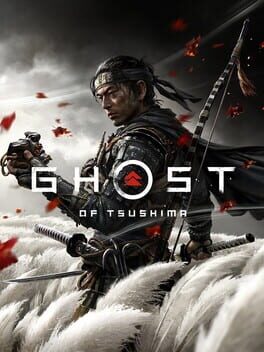
PlayStation Productions has spent the last few years cementing its reputation as a powerhouse for high‑budget, narrative‑driven adaptations, from the critically acclaimed The Last of Us series on HBO to the upcoming Horizon live‑action film. The studio’s latest venture—a fully animated series based on the 2020 open‑world hit Ghost of Tsushima—was initially heralded as the next logical step in Sony’s ambition to turn its flagship IPs into trans‑media experiences that span games, television, and now anime. The original game, set during the Mongol invasion of 13th‑century Japan, resonated deeply with both Western and Asian audiences, thanks to its meticulous recreation of samurai culture, its striking visual style, and its bold artistic choice to emulate a living brushstroke. This cultural crossover made the prospect of an anime adaptation especially tantalising, promising to amplify the franchise’s aesthetic while reaching a demographic that consumes Japanese animation as a primary medium.
At the same time, the broader entertainment landscape has witnessed an unprecedented surge in anime’s global footprint, driven by platforms like Crunchyroll, Netflix, and Amazon Prime Video investing heavily in original productions. Sony’s partnership with Aniplex—a subsidiary of the anime juggernaut Sony Music Entertainment Japan—and the seasoned studio Hayate signals a strategic alignment that could leverage Aniplex’s distribution muscle and Hayate’s production pedigree. The decision to stream the series exclusively on Crunchyroll further embeds the project within a pipeline that already serves millions of dedicated anime fans, positioning the Ghost of Tsushima narrative to benefit from both the franchise’s existing fanbase and the platform’s algorithmic reach.
What Happened?
In a joint statement released earlier this week, PlayStation Productions confirmed that the Ghost of Tsushima anime, originally slated for a 2027 debut, will now premiere in 2028. The delay comes alongside an expanded announcement of the series’ creative roster: veteran director Takahiro Omori, known for his work on Erased and Banana Fish, will helm the project, while a fresh voice cast—featuring celebrated voice actors such as Maaya Sakamoto and Mamoru Miyano—has been locked in. Aniplex will co‑produce, ensuring that the series benefits from its deep connections to the Japanese anime market, while Hayate will handle the animation pipeline, promising a visual fidelity that mirrors the game’s painterly aesthetic.
The official communiqué hinted that the postponement stems from a “commitment to delivering a product that meets the high standards set by both the original game and the expectations of the anime community.” While no concrete production setbacks were disclosed, industry insiders speculate that the extended timeline reflects a confluence of factors: the need to synchronize voice recording across multiple languages, the desire to integrate cutting‑edge animation techniques such as hybrid 2D‑3D compositing, and the logistical challenges of coordinating a cross‑continental creative team amidst an increasingly competitive content calendar.
Analysis
From a market perspective, the delay underscores the delicate balancing act Sony faces when extending its gaming IPs into new media. The company’s recent forays into live‑action adaptations have yielded mixed financial results; while The Last of Us proved a cultural juggernaut, other projects have struggled to translate gaming success into sustained viewership. By opting for a longer development window, PlayStation Productions appears to be hedging against the risk of a sub‑par anime that could dilute the Ghost of Tsushima brand. In the fiercely competitive anime streaming arena—where giants like Netflix are pouring billions into original series—delivering a product that can stand alongside flagship titles such as Attack on Titan or My Hero Academia is essential for preserving Sony’s credibility as a cross‑media steward.
Technical considerations also play a pivotal role. The original game’s artistic direction was heavily inspired by traditional Japanese ink wash painting, a style that does not translate directly to conventional anime pipelines. Hayate’s involvement suggests a willingness to experiment with texture‑rich cel shading and dynamic lighting that echo the game’s visual language, but such experimentation often incurs longer production cycles. Moreover, the integration of a multilingual voice cast—aimed at delivering both English and Japanese performances of equal calibre—adds layers of coordination rarely seen in standard anime productions, further justifying the extended timeline.
XPLog Opinion
At XPLog UK we view the 2028 launch as a prudent, if patient, move that reflects Sony’s maturing approach to IP extension. Rather than rushing a cross‑media tie‑in to meet a calendar slot, PlayStation Productions is choosing to safeguard the artistic integrity that made the original game a benchmark for cultural authenticity. This decision, while disappointing for eager fans, signals a long‑term commitment to quality over quantity—a stance that could ultimately reinforce the Ghost of Tsushima franchise as a flagship property capable of thriving across multiple entertainment ecosystems.
Final Thoughts
The postponement of the Ghost of Tsushima anime to 2028 provides a rare glimpse into the complexities of translating a beloved video game into a high‑budget animated series. As PlayStation Productions, Aniplex, and Hayate fine‑tune their collaborative vision, the industry will be watching to see whether the final product can marry the game’s storied heritage with the narrative depth expected by today’s anime audience. Keep an eye on official updates from Crunchyroll and Sony throughout 2027, as trailers, key art, and perhaps a sneak‑peek episode may begin to surface, offering further clues about the series’ ultimate impact on both the gaming and anime landscapes.