Overview
The Xbox ecosystem entered October with a burst of activity that feels almost ceremonial, as ten distinct titles hit the platform on a single day while three of them immediately join the ever‑expanding Game Pass library. This coordinated release strategy is not a coincidence; it reflects Microsoft’s long‑term ambition to turn the console into a hub for continuous content delivery, a vision that has been simmering since the launch of Xbox Game Pass in 2017. Back then, the service was a modest add‑on for a handful of first‑party games, but a series of high‑profile acquisitions—most notably Bethesda and the studios behind the Halo and Gears franchises—has reshaped the narrative, positioning Game Pass as a de‑facto standard for modern console subscriptions.
At the same time, the broader console market is undergoing a tectonic shift. Sony’s PlayStation continues to dominate hardware sales, yet its own subscription service, PlayStation Plus, has struggled to match the perceived value of Game Pass, especially in regions where Xbox’s aggressive pricing and day‑one releases have resonated with cost‑conscious gamers. The current wave of releases, therefore, is both a showcase of Microsoft’s growing library depth and a strategic move to cement subscriber loyalty ahead of the holiday season, a period that historically decides the financial health of console manufacturers.
What Happened?
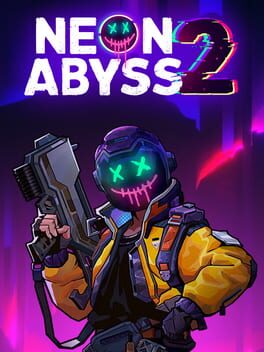
The headline‑grabbing part of today’s announcement is the addition of three brand‑new titles to Game Pass: Neon Abyss 2, Echo Weaver, and Forever Ago. Neon Abyss 2 builds upon its 2020 predecessor’s frenetic run‑and‑gun formula, introducing a richer palette of procedurally generated levels, a more nuanced weapon upgrade system, and a collaborative mode that encourages co‑op chaos. Echo Weaver, a Metroidvania that intertwines time‑loop mechanics with hand‑drawn visual flair, promises a narrative experience that rewards meticulous exploration—a design philosophy that aligns well with the service’s penchant for deep, replayable content. Finally, Forever Ago offers a slower‑paced road‑trip adventure, blending narrative decision‑making with a nostalgic aesthetic that appeals to players seeking a respite from high‑octane action.
Beyond the Game Pass trio, the day also saw the launch of seven additional Xbox titles, ranging from indie experiments to mid‑tier action‑adventure releases. While each game arrives with its own marketing push, the collective impact is a reinforcement of Microsoft’s “always‑on” content pipeline, a model that contrasts sharply with the traditional “big‑bang” launch windows that have defined console cycles for decades. Developer statements highlighted a focus on cross‑play compatibility, cloud streaming integration via Xbox Cloud Gaming, and a commitment to post‑launch support, underscoring the ecosystem’s shift toward longevity over singular launch hype.
Analysis
From a market performance perspective, the infusion of ten titles in a single day creates a spike in daily active users that can translate into higher retention rates for Game Pass. Historically, subscription services benefit from a “content rain” effect, where a steady flow of fresh experiences reduces churn. Competitors such as PlayStation Plus have attempted similar tactics, but Microsoft’s advantage lies in its ability to bundle first‑party blockbusters with a robust slate of indie gems, a balance that keeps both casual and hardcore segments engaged. Moreover, the inclusion of day‑one releases like Neon Abyss 2 signals that developers are increasingly comfortable trusting Microsoft’s platform to deliver immediate visibility, a trend that may accelerate as more studios recognize the financial safety net that a subscription model provides.
Technical hurdles remain, however. The promise of seamless cloud streaming for all ten titles hinges on server capacity and latency optimization, especially as the service expands into regions with less robust internet infrastructure. Additionally, the integration of cross‑play features must navigate platform‑specific certification processes, a non‑trivial undertaking that could delay updates or introduce fragmentation if not managed meticulously. Still, Microsoft’s investment in Azure and its partnership network suggests that these challenges are being addressed proactively, positioning the Xbox ecosystem as a technically resilient contender in the subscription arena.
XPLog Opinion
At XPLog UK we view today’s launch as a decisive statement: Microsoft is no longer content to be the “second player” in the console wars; it is actively redefining what it means to own a console by turning the experience into a service‑first proposition. The blend of high‑visibility indie titles with polished, day‑one releases demonstrates a maturity in curation that respects both the creative ambitions of smaller studios and the expectations of a global subscriber base. If Microsoft can sustain this cadence while refining its cloud infrastructure, the Xbox brand could very well become the default gateway for gamers who prioritize variety and value over hardware exclusivity.
Final Thoughts
In sum, the October eight‑title rollout, anchored by three fresh Game Pass additions, underscores Microsoft’s strategic pivot toward an evergreen content ecosystem that thrives on subscription loyalty and cross‑platform accessibility. As the holiday quarter approaches, observers should keep an eye on subscriber growth metrics, cloud performance reports, and any further announcements of day‑one releases, all of which will illuminate whether Microsoft’s gamble on a service‑centric future will reshape the console landscape for years to come.
.png)
 XPLog
08 Oct 2026
4 min read
XPLog
08 Oct 2026
4 min read