.png)
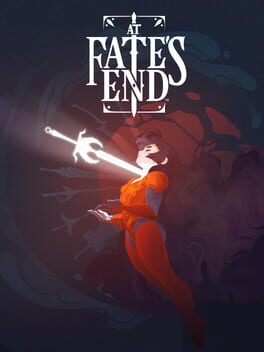
Overview
When Thunder Lotus Studios burst onto the scene with Spiritfarer in 2020, the indie darling not only redefined the emotional potential of management sims but also proved that a small Canadian team could command a global audience through heartfelt storytelling and meticulous world‑building. The title’s success on multiple platforms, coupled with its seamless integration into Xbox Game Pass, cemented Thunder Lotus as a key player in the burgeoning ecosystem where subscription services and indie excellence intersect. Over the past three years, the studio has quietly expanded its roster, experimented with larger narrative scopes, and cultivated a reputation for polishing every pixel, a philosophy that now informs its next‑gen venture, At Fate's End.
At Fate's End entered the public consciousness as one of the most‑anticipated releases slated for 2026, promising an action‑adventure experience that would blend the lyrical melancholy of Spiritfarer with a more combat‑centric, open‑world design. The announcement arrived at a moment when the console market is in the throes of a generational handover, with Xbox Series X|S, PlayStation 5, and the emerging cloud‑first strategies all vying for subscriber loyalty. In this climate, a headline‑making indie title joining Game Pass is not merely a content drop—it is a strategic lever that can sway the economics of subscription retention, especially as Sony and Nintendo double‑down on exclusive first‑party pipelines.
What Happened?
In a succinct livestream streamed to both the Xbox and indie development communities, Thunder Lotus disclosed that At Fate's End would be postponed until 2027. The studio framed the decision as a need for “more love and care,” a phrasing that echoes the meticulous iteration cycles that defined Spiritfarer’s post‑launch updates. By pushing the launch window back by roughly a year, the developers signaled a willingness to sacrifice short‑term hype in favor of a more refined final product, a stance that aligns with the growing industry consensus that rushed releases erode long‑term brand equity.
The delay also carries concrete logistical implications: the title will remain on Xbox Game Pass as a day‑one addition when it finally arrives, preserving the promise made during its initial reveal. However, the extended timeline forces Microsoft to recalibrate its content calendar for the service, potentially leaving a gap that competitors may seek to fill with their own indie showcases. For players, the news translates into a longer wait but also a higher probability that the game will launch free of the bugs and performance issues that have plagued many high‑profile releases in recent years.
Analysis
From a market perspective, the delay underscores a broader shift among mid‑tier developers toward quality‑over‑speed, a trend accelerated by the pandemic’s disruption of remote pipelines and the subsequent rise of “live‑service” expectations. While a year‑long postponement may initially dent revenue forecasts, the upside lies in preserving the title’s shelf‑life; a polished At Fate's End can generate sustained sales, DLC revenue, and continued Game Pass engagement far beyond the launch window, thereby offsetting the short‑term financial hit.
Technically, Thunder Lotus has hinted at ambitious systems—dynamic weather, procedurally generated narrative nodes, and a combat engine that aims to marry the series’ signature empathy with visceral gameplay. Implementing such features on a modest budget inevitably introduces engineering challenges, especially when targeting the diverse hardware landscape of Xbox consoles and cloud streaming. The extra development time should allow the team to optimize performance, refine AI behaviours, and integrate community feedback from early demos, positioning the game as a benchmark for indie technical excellence on subscription platforms.
XPLog Opinion
At XPLog UK we view the postponement as a calculated gamble that ultimately strengthens Thunder Lotus’s brand credibility. In an era where “launch‑or‑die” mentalities have led to high‑profile fiascos, the studio’s willingness to delay signals maturity and respect for its player base. Moreover, the continued partnership with Xbox Game Pass ensures that the title will benefit from the service’s promotional muscle, turning what could be a setback into a long‑tail success story that reinforces the viability of indie‑first strategies within the subscription economy.
Final Thoughts
While the calendar now reads 2027 for At Fate's End’s arrival, the real narrative will unfold over the next twelve months as Thunder Lotus refines its vision and Microsoft reshapes its Game Pass roadmap. Players and analysts alike should keep an eye on upcoming developer diaries, beta invitations, and Xbox’s quarterly content reveals, all of which will provide clearer signals about the game’s final shape and its potential to set a new standard for indie ambition on subscription platforms.