.png)
Overview
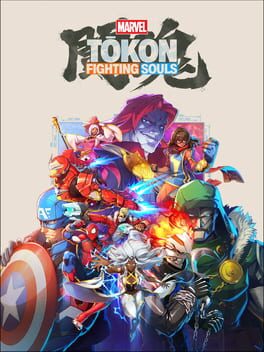
When Arc System Works unveiled Marvel Tokon: Fighting Souls late last year, the title arrived at a crossroads where high‑octane anime‑style fighters were vying for relevance against both legacy franchises and emergent live‑service models. The game’s launch on PlayStation, Xbox, and PC was met with a mixture of awe for its kinetic animation pipeline and frustration over a patch‑laden PC rollout that left many core players scrambling for stability. Yet, despite those early technical hiccups, the core combat loop—rooted in Arc’s signature ‘Super Cancels’ and intricate frame‑data—earned a fervent following among competitive circles, prompting a surge in community‑driven content and grassroots tournament activity.
Now, as the industry steadies after a year of pandemic‑induced release delays and a renewed focus on post‑launch monetisation, Marvel Tokon’s first Year 1 Pass combatant, Phoenix Cyclops, is set to make its debut on 7 October. This timing is no accident; it aligns with the broader shift toward episodic character drops that have become a revenue mainstay for fighting‑game powerhouses such as Capcom and Bandai Namco. By positioning Phoenix Cyclops as both a narrative linchpin and a mechanical evolution, Arc is signalling its intent to deepen the game’s lore while simultaneously courting the high‑skill player base that demands fresh, balanced options on a regular cadence.
What Happened?
Arc System Works confirmed that the Phoenix Cyclops DLC will be the inaugural entry in a quartet of Year 1 Pass fighters, each designed to expand the roster beyond the initial twelve. The upcoming trailer, slated for release tomorrow, promises to showcase the character’s unique blend of kinetic energy attacks and defensive cyclopean shields, a design philosophy that mirrors the studio’s historical penchant for juxtaposing flamboyant visuals with deep tactical layers. In developer statements, Arc emphasized that Phoenix Cyclops was conceived during the latter stages of the base game’s development, allowing the team to iterate on feedback from the early community while still preserving a distinct identity that differentiates the newcomer from existing mutants.
Beyond the visual tease, the announcement also outlined the DLC’s pricing strategy: a standalone purchase option at £24.99, as well as inclusion within the full Year 1 Pass for £79.99—a price point that mirrors the market‑standard for comparable fighting‑game expansions. Arc has pledged a post‑launch balancing window of two weeks, during which they will monitor tournament data and community sentiment before committing to a final patch. This approach reflects a growing industry trend where developers treat DLC as a live‑service component, iterating in near‑real time to maintain competitive integrity and stave off the backlash that has plagued poorly balanced additions in the past.
Analysis
The introduction of Phoenix Cyclops arrives at a pivotal moment for both Arc System Works and the broader console ecosystem. Historically, Arc’s flagship titles—most notably the Guilty Gear and BlazBlue series—have leveraged staggered DLC schedules to sustain player engagement and generate recurring revenue streams. By integrating Phoenix Cyclops into Marvel Tokon’s Year 1 Pass, Arc is effectively replicating a proven formula while testing its applicability to a newer IP that straddles the superhero genre and traditional Japanese fighting aesthetics. From a market perspective, the DLC’s launch could serve as a bellwether for the viability of cross‑genre hybrids in a crowded marketplace dominated by established franchises like Tekken 7 and Street Fighter V. Moreover, the timing coincides with Sony’s renewed emphasis on exclusive fighting‑game content for the PlayStation 5, potentially positioning Marvel Tokon as a strategic differentiator in the console wars.
Technical considerations also loom large. The PC version’s early stability woes highlighted the challenges of porting Arc’s proprietary animation engine across heterogeneous hardware. If the Phoenix Cyclops trailer demonstrates a seamless integration of the character’s complex visual effects, it will signal that Arc has refined its pipeline, thereby restoring confidence among PC‑centric competitive communities. Conversely, any lingering performance issues could exacerbate the platform disparity that has historically fragmented fighting‑game ecosystems, where latency and frame‑rate consistency are non‑negotiable for high‑level play.
XPLog Opinion
From XPLog’s standpoint, Phoenix Cyclops is more than a mere roster addition; it is a litmus test for Arc System Works’ ability to evolve its business model without alienating the hardcore audience that fuels tournament ecosystems. The character’s design philosophy—melding spectacle with depth—embodies the sweet spot that keeps both casual fans of the Marvel brand and seasoned fighters invested. Should Arc deliver on its promise of balanced, high‑skill gameplay while maintaining a transparent post‑launch support cadence, Marvel Tokon could ascend from a niche curiosity to a cornerstone of next‑generation fighting‑game line‑ups, compelling rivals to reassess their DLC roadmaps and potentially sparking a new wave of superhero‑themed fighters that respect competitive integrity.
Final Thoughts
In sum, the arrival of Phoenix Cyclops on 7 October marks a decisive chapter in Marvel Tokon’s post‑launch narrative, offering a glimpse into how Arc System Works intends to marry blockbuster IP appeal with the rigorous demands of the fighting‑game community. Players and analysts alike should monitor the trailer’s reception, the ensuing balance patches, and the sales performance of both the standalone DLC and the full Year 1 Pass. These metrics will not only dictate the future trajectory of Marvel Tokon but also inform broader industry conversations about sustainable DLC strategies in an era where content longevity is as prized as initial launch impact.