.png)
Overview
October has once again become the industry’s unofficial sprint, a month where every publisher with a viable slate feels the pressure to secure a foothold before the calendar’s most formidable juggernaut arrives. The looming release of Rockstar Games’ Grand Theft Auto VI on 19 November has turned the season into a high‑stakes chess match, with developers and marketers alike scrambling to carve out a window of visibility that won’t be eclipsed by the cultural tsunami that a new GTA title invariably creates.
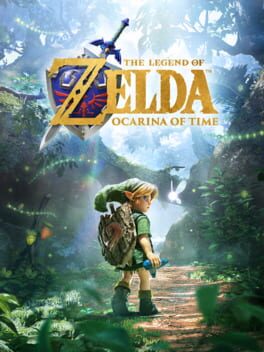
Amid this frantic scramble, Nintendo is playing a very different game. The Legend of Zelda franchise, a cornerstone of Nintendo’s identity since the mid‑1980s, is set to revisit one of its most revered entries – Ocarina of Time – with a refreshed launch slated for 5 November. The original 1998 release on the Nintendo 64 not only defined 3D action‑adventure design but also cemented a narrative template that continues to influence developers today. By reviving this classic at a moment when the market is primed for blockbuster announcements, Nintendo is leveraging both nostalgia and the franchise’s evergreen appeal to assert relevance in a landscape dominated by mature, open‑world experiences.
What Happened?
During a livestream that doubled as the company’s quarterly financial briefing, Nintendo confirmed that a fully remastered version of The Legend of Zelda: Ocarina of Time will launch on the Switch on 5 November. The company highlighted enhancements such as high‑definition textures, refined audio, and optional motion‑controlled gameplay, positioning the title as both a faithful preservation and a modernized experience. Nintendo’s spokesperson emphasized that the release is not merely a cash‑in on nostalgia, but a strategic effort to introduce the seminal adventure to a new generation of players who have never held a cartridge of the original.
Concurrently, Rockstar reaffirmed its November 19 launch window for GTA VI, a title that industry analysts predict will redefine the open‑world genre with next‑generation graphics, a sprawling narrative, and a monetisation model that could reshape the financial expectations for AAA releases. The proximity of these two announcements has sparked a flurry of speculation: will Nintendo’s early‑November drop siphon enough consumer attention to mitigate the inevitable sales surge that GTA VI will generate, or will the two titles simply coexist, each commanding distinct audience segments?
Analysis
From a market‑performance perspective, Nintendo’s timing is astute. By positioning Ocarina of Time two weeks before GTA VI, the company secures a pre‑emptive spotlight during the critical pre‑holiday shopping period. Historically, Nintendo has demonstrated an ability to dominate sales charts with legacy titles – the 2021 Switch re‑release of The Legend of Zelda: Link’s Awakening, for instance, sold over 3 million units worldwide despite competition from high‑budget releases. A refreshed Ocarina of Time is likely to attract both long‑time fans and newcomers, driving hardware demand for the Switch as players seek the optimal platform for the experience.
However, the competitive dynamics are not without risk. GTA VI’s massive marketing budget and cultural cachet will inevitably pull a portion of discretionary spending away from Nintendo’s offering, especially among older gamers who gravitate toward Rockstar’s mature themes. Moreover, the industry’s shift toward digital-first launches could dilute the impact of a physical‑focused campaign, as many consumers now pre‑order and download titles directly to their consoles. Nintendo’s lower price point and family‑friendly branding may offset these challenges, but the true test will be whether the title can sustain momentum beyond its initial launch window and avoid being a fleeting footnote in the shadow of Rockstar’s headline.
XPLog Opinion
In XPLog’s view, Nintendo is not merely “not swerving” – it is deliberately steering the conversation away from the inevitable GTA VI frenzy by reminding the market of its own pedigree of timeless design. This move underscores Nintendo’s confidence that a well‑executed legacy title can still command significant market share, even when pitted against the most anticipated blockbuster of the year. By delivering a high‑quality, accessible experience that resonates across age groups, Nintendo reaffirms its core strategy: leverage iconic IP to create evergreen revenue streams while the rest of the industry chases the next hype cycle.
Final Thoughts
The coming weeks will reveal whether Nintendo’s November gambit pays off, but the early indicators suggest a robust defensive posture that could reshape how publishers schedule legacy revivals around mega‑titles. Keep an eye on sales tallies through the end of December, monitor consumer sentiment on social platforms, and watch for any post‑launch content updates that could extend Ocarina of Time’s lifespan well into the next fiscal quarter. If Nintendo’s strategy succeeds, it may set a precedent for future legacy releases to deliberately precede industry‑shaking launches, ensuring that classic franchises remain a potent force in an ever‑evolving market.