.png)
Overview
In an era where city planners are scrambling to retrofit streets for cyclists, electric buses and autonomous shuttles, the indie title Car Park Capital arrives as a paradoxical love‑letter to the age of car‑centric expansion. The game, built on a heritage engine that harks back to the golden era of Bullfrog’s simulation masterpieces, positions the player not as a saviour of public transport but as a corporate magnate whose profit hinges on converting green, pedestrian‑first metropolises into sprawling, oil‑fueled suburbs.
While the broader gaming market has witnessed a surge in “city‑builder” experiences that champion sustainability—titles such as Cities: Skylines’ Climate Toolkit or the upcoming SimCity Reboot—Car Park Capital deliberately flips the script, inviting players to explore the darker side of urban development that real‑world policymakers have long tried to curb. This contrarian premise lands at a time when the automotive industry itself is undergoing a tectonic shift, with legacy manufacturers betting heavily on electrification, yet still wrestling with legacy revenue streams tied to internal combustion engines.
What Happened?
The announcement, made at the Indie Showcase during Gamescom 2026, revealed a fully playable demo that places players in the shoes of a “big auto” executive tasked with dismantling the public‑transport infrastructure of procedurally generated cities like the bustling Baldtown. The core mechanic revolves around strategic investments: constructing highway spurs, subsidising parking structures, and lobbying for zoning changes that favour low‑density housing. Each decision is quantified by a “Petrol Dependency Index” that rises as the city’s carbon footprint swells, unlocking new revenue streams and corporate milestones.
Developer studio GreenGrid Interactive, a small team with roots in the UK’s simulation renaissance of the early 2010s, emphasised that the game’s satire is intentional. In a press release, lead designer Maya Patel explained that the title is meant to provoke reflection on how profit motives can override civic wellbeing, and that the retro aesthetic is a nod to the “hard‑core” simulation fans who appreciate depth over flash. The demo also showcases a dynamic citizen AI that reacts to congestion, air quality, and parking scarcity, providing a feedback loop that can either fuel the player’s ambitions or trigger public backlash events.
Analysis
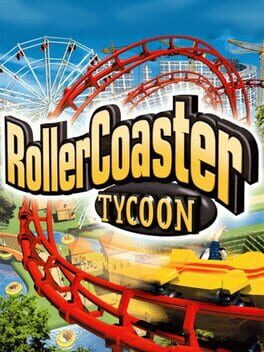
From a market perspective, Car Park Capital occupies a niche that blends nostalgic simulation mechanics with contemporary sociopolitical commentary, a combination that has proven lucrative for titles like Papers, Please and This Is the Police. By leveraging the familiar drag‑and‑drop interface of classic tycoon games while embedding a critique of car dependency, the game may attract both veteran sim enthusiasts and a new cohort of players interested in “playful activism.” However, the commercial viability hinges on its ability to balance satire with engaging gameplay; too much didacticism could alienate the core audience that expects the sandbox freedom of titles like RollerCoaster Tycoon.
Strategically, the game also serves as a barometer for the shifting expectations placed on automotive brands. As manufacturers diversify into mobility‑as‑a‑service and electric fleets, a title that foregrounds the economic temptations of car‑centric expansion could spark internal debates within those firms about brand narrative. Moreover, the indie’s success could inspire larger publishers to explore “anti‑hero” simulation concepts, potentially expanding the genre beyond its traditional “build‑the‑utopia” paradigm.
XPLog Opinion
XPLog views Car Park Capital as a daring experiment that forces the industry to reckon with the uncomfortable truth that profit and sustainability have long been at odds; the game’s brilliance lies not merely in its retro charm but in its capacity to make players feel the weight of policy decisions that, in reality, shape our daily commutes and air quality.
Final Thoughts
As the demo rolls out on PC and next‑gen consoles later this quarter, observers should watch the community’s reaction to its moral quandaries as closely as they track sales figures. Whether Car Park Capital becomes a cult classic that reshapes simulation design or fades as a clever curiosity will depend on its ability to sustain player engagement while sparking conversation about the future of urban mobility—an issue that will dominate city planning agendas well into the 2030s.