.png)
Overview
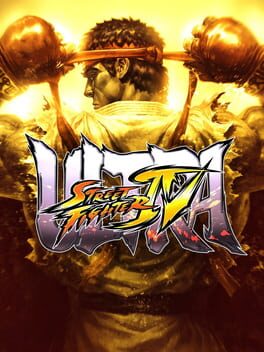
When Capcom unleashed Street Fighter IV in 2009, the title acted as a catalyst that pulled the fighting‑game genre out of a prolonged doldrum, re‑energising veteran arcades and birthing a new generation of competitive players affectionately dubbed “09ers.” The subsequent releases—Super, Super Combo, and finally Ultra Street Fighter IV in 2014—refined the core mechanics while preserving the series’ trademark balance of precision and mind‑games. Yet, despite its revered status as perhaps the last “honest” Street Fighter iteration, Ultra SFIV was shackled to a delay‑based netcode architecture that, by modern standards, feels archaic. In an era where rollback netcode has become the de‑facto benchmark for online fighting stability, the lingering input lag and “input‑eating” symptoms have increasingly alienated players seeking tournament‑grade experiences from a title that is, technically, over a decade old.
The competitive scene around Ultra SFIV has nevertheless persisted, sustained by a passionate community that hosts weekend online ladders, community‑run tournaments, and a thriving modding ecosystem. Over the past few years, the demand for rollback support has intensified, spurred by the success of titles like Guilty Gear Strive and the open‑source community’s embrace of the GGPO framework. Simultaneously, generative AI tools have begun to permeate game‑development pipelines, offering unprecedented assistance in code generation, debugging, and documentation. It is against this backdrop—a convergence of nostalgic player demand and cutting‑edge AI assistance—that two separate mod teams announced the creation of rollback netcode patches for Ultra SFIV, both leveraging Anthropic’s Claude language model to accelerate their development.
What Happened?
Earlier this week, two independent groups—RetroPulse Studios and Netcode Forge—publicly released beta versions of rollback netcode mods for Ultra SFIV. Each mod replaces the original delay‑based networking layer with a custom implementation built on the GGPO rollback framework, promising frame‑accurate input handling and dramatically reduced latency spikes. The developers highlighted that their patches support both the original arcade‑mode roster and the later DLC characters, preserving the game’s balance while unlocking a smoother online experience that rivals contemporary fighting titles. Both teams have made their source code available on GitHub under permissive licenses, inviting further community contribution and scrutiny.
The most striking aspect of these projects is their shared reliance on Claude, Anthropic’s conversational AI, as a co‑developer. According to statements from RetroPulse’s lead programmer, Claude was employed to generate boilerplate networking code, suggest optimal rollback buffer sizes, and even draft unit‑test suites that simulate packet loss scenarios. Netcode Forge echoed similar sentiments, noting that Claude’s ability to parse the original game’s binary structures and propose patching strategies cut development time by an estimated 40 percent. Both teams stress that human oversight remained essential—Claude’s suggestions were iteratively reviewed, refined, and integrated by seasoned programmers familiar with the intricacies of fighting‑game physics.
Analysis
The emergence of AI‑assisted rollback mods for a legacy title like Ultra SFIV signals a broader shift in how the industry may approach post‑launch support for older IPs. Traditionally, publishers have been reticent to invest resources into updating netcode for games that have exited the commercial lifecycle, opting instead to focus on new releases or paid expansions. By demonstrating that community‑driven projects can harness generative AI to overcome technical bottlenecks, the barrier to entry for similar endeavors is dramatically lowered. This could embolden other modders to tackle long‑neglected classics—Tekken 5, Soulcalibur II, even early entries in the Mortal Kombat franchise—potentially revitalising dormant player bases and extending the revenue tail through increased digital sales and streaming exposure.
From a competitive‑ecosystem perspective, the dual rollout introduces a subtle but consequential dynamic between console manufacturers and PC‑centric fighting communities. Rollback netcode has become a decisive factor in platform choice for many esports leagues, and the availability of a stable online experience on legacy titles may nudge tournament organisers to re‑include Ultra SFIV in line‑ups, thereby generating ancillary demand for compatible hardware. However, technical hurdles remain: synchronising rollback logic with the game’s proprietary physics engine required meticulous reverse‑engineering, and ensuring cross‑platform parity (PlayStation 4, Xbox One, PC) adds another layer of complexity. Should Capcom choose to officially endorse or integrate these mods, it would set a precedent for corporate‑backed collaboration with AI‑augmented modders, potentially reshaping the relationship between publishers and the open‑source community.
XPLog Opinion
At XPLog UK, we view the Claude‑powered rollback mods as a watershed moment that underscores both the resilience of the fighting‑game community and the disruptive potential of generative AI in legacy game support. While we applaud the ingenuity of RetroPulse and Netcode Forge, we caution that sustainable long‑term stability will hinge on rigorous testing, community feedback loops, and, ideally, an official nod from Capcom to legitimize the patches. If the publisher embraces this momentum, Ultra SFIV could enjoy a renaissance that not only satisfies nostalgic “09ers” but also introduces the title to a new cohort of players who demand the seamless online experience that modern rollback standards provide.
Final Thoughts
The twin rollback patches for Ultra Street Fighter IV illustrate how AI can accelerate the preservation and modernization of beloved classics, turning what was once a technical dead‑end into a viable competitive platform. As the beta builds mature and community testing expands, the next milestones to watch are the first major online tournament using the new netcode—tentatively slated for early 2025—and any formal response from Capcom regarding endorsement or integration. Whether these AI‑driven initiatives become an isolated triumph or the catalyst for a broader revival of legacy fighting games will shape the next chapter of the genre’s evolution.