.png)
Overview
Supermassive Games, the British studio that vaulted into mainstream consciousness with the cinematic thriller Until Dawn in 2015, has long been synonymous with interactive horror that blends branching narrative with high‑production values. Over the past decade the company expanded its portfolio through The Dark Pictures Anthology, a series of stand‑alone, choice‑driven experiences that have consistently leveraged PlayStation’s emphasis on narrative and the growing appetite for streaming‑friendly titles on platforms such as PlayStation Plus and Xbox Game Pass.
In the broader market, the horror genre has experienced a renaissance, buoyed by indie breakthroughs like Resident Evil Village and the resurgence of legacy franchises. Yet the same period has seen a contraction in mid‑tier development studios, as rising production costs, the pressure to deliver live‑service updates, and the volatility of post‑launch revenue streams force publishers to reassess staffing models. Supermassive’s announcement comes at a moment when the industry is grappling with the balance between ambitious, story‑heavy projects and the financial realities of a post‑pandemic gaming economy.
What Happened?
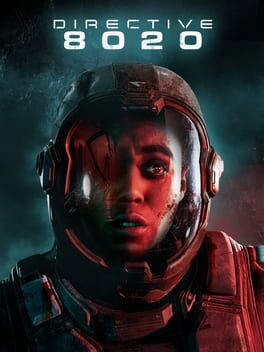
Following the launch of Directive 8020, a sci‑fi horror title that marked the studio’s most experimental foray into procedural generation and multiplayer co‑op, Supermassive confirmed that more than 70 employees would be exiting the company. The cuts affect a cross‑section of the workforce, including several senior designers, artists, and support staff who were integral to the development of the studio’s recent titles. While the exact breakdown of roles has not been disclosed, the scale of the reduction suggests a restructuring that goes beyond a typical post‑mortem downsizing.
In a brief statement released to the press, Supermassive’s leadership cited “the need to align our resources with the evolving market landscape” and emphasized a continued commitment to delivering high‑quality horror experiences. The company also hinted at a strategic pivot towards smaller‑scale projects and tighter integration with its publishing partner, Sony Interactive Entertainment, a relationship that has historically provided both financial stability and platform exclusivity for the studio’s flagship releases.
Analysis
The immediate market impact of losing over 70 staff members is twofold. First, it reduces the studio’s capacity to sustain multiple concurrent pipelines, potentially delaying future releases in The Dark Pictures Anthology and any sequel to Directive 8020. Second, the layoffs may signal a broader recalibration of Supermassive’s business model, moving away from the resource‑intensive, cinematic approach that defined Until Dawn toward a more modular, episodic framework that can be serviced with leaner teams. This mirrors a trend observed in studios such as Bloober Team, which have successfully adopted a “core‑loop” development philosophy to mitigate risk while still delivering narrative depth.
From a competitive standpoint, the timing aligns with Sony’s renewed focus on exclusive content for its next‑gen consoles, where the company is investing heavily in narrative‑driven IPs. By tightening its operational footprint, Supermassive may be positioning itself to become a more agile partner for Sony, delivering content that can be slotted into the PlayStation Plus Extra and Premium line‑ups without the overhead of a large, permanent staff. However, the loss of seasoned talent also raises concerns about knowledge retention, particularly in areas such as motion capture direction and branching script architecture—skills that are not easily replaced through external hiring.
XPLog Opinion
At XPLog we view Supermassive’s layoffs as a cautionary tale about the perils of scaling narrative ambition without a parallel revenue safety net; the studio’s willingness to cut staff so swiftly after Directive 8020 suggests that even a publisher‑backed horror label is vulnerable to the same cash‑flow pressures that have felled larger AAA houses, and it underscores the urgent need for developers to diversify distribution channels and explore hybrid funding models if they wish to preserve the craft of interactive terror.
Final Thoughts
Looking ahead, the industry will be watching how Supermassive reallocates its remaining talent and whether the studio can deliver its next chapter of horror without compromising the cinematic flair that has defined its brand. Upcoming showcases at PlayStation Showcase and the next Game Developers Conference will likely reveal whether the studio’s strategic shift translates into a sustainable pipeline, while the broader community will be keen to see if the layoffs trigger a ripple effect across other mid‑tier narrative studios navigating the same fiscal headwinds.