.png)
Overview
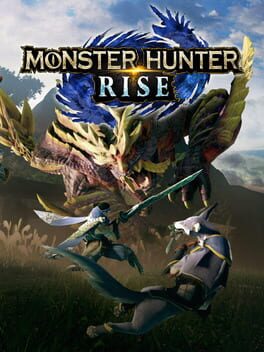
When Capcom first announced Monster Hunter Rise as a Nintendo Switch‑only title in early 2021, the industry greeted it with a mixture of excitement and caution. The Switch, while immensely popular, was still perceived by many as a platform for lighter, family‑friendly experiences, and the Monster Hunter franchise—a series renowned for its sprawling ecosystems, demanding combat mechanics, and deep progression loops—had historically found its biggest commercial footholds on home consoles and high‑performance handhelds like the PlayStation Vita. Yet Capcom’s gamble paid off; the title leveraged the Switch’s portable nature to deliver a more bite‑sized yet still richly layered hunting experience, appealing to both veteran hunters and newcomers drawn in by the console’s ever‑growing install base.
The announcement that Rise has now eclipsed 20 million units sold worldwide is more than a milestone; it is a barometer of how third‑party franchises can thrive on Nintendo’s hardware when they adapt their design philosophies without sacrificing core identity. This figure arrives at a pivotal moment for Capcom, which is concurrently pushing Monster Hunter Wilds—a next‑generation, open‑world reimagining—onto PlayStation 5, Xbox Series X|S, and PC. The dual‑track strategy underscores a broader industry trend: leveraging a successful, platform‑specific launch to build momentum for a cross‑generational sequel, thereby maximizing lifetime revenue while keeping the community engaged across disparate ecosystems.
What Happened?
During a brief press briefing earlier this week, Capcom disclosed that Monster Hunter Rise has shipped more than 20 million copies globally, a number that includes both the original launch and the subsequent “Sunbreak” expansion, which introduced new monsters, locales, and a refined combat system. The company highlighted that a substantial portion of these sales stemmed from the title’s performance in key Western markets—a region where the series historically lagged behind its Japanese stronghold. By integrating robust online matchmaking, cross‑play capabilities, and a more accessible “Rampage” mode, Rise managed to lower the entry barrier without diluting the series’ signature depth, thereby converting casual Switch owners into dedicated hunters.
Capcom also emphasized that the sales surge has had a tangible impact on the development pipeline for Monster Hunter Wild S. Early access data from the beta suggests that players who migrated from Rise are bringing heightened expectations for seamless multiplayer, richer ecosystems, and a more expansive narrative framework. Moreover, the revenue generated by Rise’s continued post‑launch support—micro‑transactions for cosmetic items, seasonal events, and the Sunbreak DLC—has provided Capcom with a financial cushion to invest in higher‑fidelity assets for Wild S, including next‑gen rendering techniques and AI‑driven monster behaviors that promise a more immersive hunt.
Analysis
The 20‑million benchmark places Rise alongside Capcom’s most iconic franchises in terms of unit sales, signaling that the Monster Hunter brand has transcended its niche status to become a cornerstone of Nintendo’s third‑party portfolio. From a market perspective, this achievement reinforces the Switch’s longevity, proving that even late‑cycle titles can generate substantial revenue when they align with the console’s unique strengths—portability, family‑friendly branding, and a thriving indie ecosystem. For competitors, particularly Sony and Microsoft, the data point serves as a cautionary tale: exclusive partnerships alone no longer guarantee dominance; the ability to adapt a flagship IP to a platform’s constraints while preserving its core loop is paramount.
Looking ahead, the ripple effects are likely to reshape both Capcom’s internal resource allocation and the broader ecosystem of monster‑hunting games. The financial success of Rise will enable Capcom to double‑down on live‑service components, potentially extending the lifespan of Wild S through seasonal content and community‑driven events. Simultaneously, the data suggests that players now expect seamless cross‑platform continuity—a demand that could push Capcom to develop a unified account system spanning Switch, PlayStation, Xbox, and PC. Such an infrastructure would not only future‑proof the franchise but also position Monster Hunter as a benchmark for cross‑ecosystem multiplayer experiences.
XPLog Opinion
From XPLog’s standpoint, Monster Hunter Rise’s 20‑million triumph is a watershed moment that validates Capcom’s strategic pivot toward platform‑specific design without compromising the franchise’s soul. It proves that a well‑executed, console‑tailored experience can fuel a global community, set the stage for a blockbuster next‑gen sequel, and ultimately reinforce Nintendo’s relevance as a hub for premium third‑party titles. The real test will be whether Capcom can translate this momentum into sustained engagement for Wild S, delivering the promised technical leaps while retaining the cooperative spirit that made Rise a cultural phenomenon.
Final Thoughts
In sum, Monster Hunter Rise’s ascent past the 20‑million mark not only crowns it as one of the Switch’s best‑selling exclusives but also reshapes expectations for how legacy franchises can thrive on hybrid hardware. As Capcom gears up for the worldwide launch of Monster Hunter Wild S later next year, the industry will be watching closely to see if the lessons learned from Rise—accessibility, robust online infrastructure, and cross‑platform ambition—can be amplified on next‑gen consoles, cementing Monster Hunter’s place at the apex of the action‑RPG hunting genre for years to come.