.png)
Overview
Every Thursday and Friday, the PC storefronts seem to conspire to unload a fresh wave of titles that range from the absurdly nostalgic to the eerily contemporary, a pattern that has become almost as predictable as the seasonal surge of horror releases every October. This rhythm reflects a broader industry shift where developers, especially those operating on modest budgets, time their drops to capitalize on the heightened online traffic that accompanies the weekend, while also leveraging thematic relevance—think pumpkins, fog, and the lingering chill of Halloween—to amplify discoverability. The current ecosystem, dominated by storefront algorithms that reward consistent release cadence, has turned the calendar into a strategic battlefield, prompting studios to cluster launches in narrow windows to ride the wave of collective consumer attention.
Within this crowded temporal landscape, three disparate projects have emerged: Star Wars: Galactic Racer, a high‑octane entry that attempts to marry the sprawling lore of the franchise with arcade‑style racing; Hellraiser: Revival, a long‑awaited return to the visceral horror of the iconic 1980s film series; and an enigmatic throwback tycoon game that lets players reshape utopian societies into sprawling car parks, a satirical commentary on modern urban development. Each title, though seemingly unrelated, shares a common thread: they are all leveraging nostalgia and niche appeal to carve out a foothold in a market increasingly saturated with blockbuster releases, thereby testing the limits of how far a well‑targeted, community‑driven launch can travel.
What Happened?
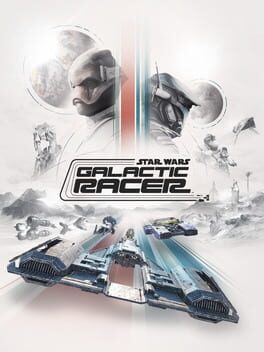
Star Wars: Galactic Racer, announced by independent studio Hyperdrive Studios, promises to deliver a frenetic, lightspeed‑infused racing experience that situates players behind the wheel of iconic starships from across the saga, from T‑65 X‑wings to the menacing TIE fighters. The game, slated for a late‑October PC launch, touts a blend of authentic Star Wars sound design, procedurally generated tracks set on familiar planetary surfaces, and a competitive multiplayer ladder that pits fan‑favourite pilots against each other in high‑stakes galactic tournaments. Development began in early 2022 under a licensing agreement with Lucasfilm, and the team has emphasized that the title is designed to be both a love letter to the franchise’s visual language and a standalone arcade racer capable of standing shoulder‑to‑shoulder with established series like Mario Kart and Wipeout.
Meanwhile, Hellraiser: Revival marks the first major attempt to resurrect Clive Barker’s seminal horror franchise in an interactive format since the ill‑fated 2005 console effort. Developed by the seasoned horror studio DarkRealm Interactive, the game leans heavily into the franchise’s mythos, promising an atmosphere drenched in dread, puzzles that echo the labyrinthine Cenobite puzzles of the original films, and a narrative that explores the origins of the infamous Lemarchand’s Box. The developers have pledged to incorporate modern rendering techniques—ray‑traced lighting, adaptive audio cues, and haptic feedback—to deliver a sensory experience that feels both reverential to the source material and fresh enough to satisfy a new generation of horror enthusiasts. A beta test scheduled for early November will allow the community to shape the final experience, a move that reflects the growing trend of early access as a risk‑mitigation strategy for horror titles that rely on player immersion.
Analysis
The simultaneous emergence of a licensed franchise racer and a heritage horror revival underscores a bifurcation in the PC market: on one side, studios are banking on brand recognition to secure immediate shelf‑space, while on the other, they are digging deep into cult followings to generate organic buzz. Star Wars: Galactic Racer leverages the inexhaustible pull of the Star Wars brand, but it also faces the challenge of differentiating itself in a crowded racing genre where titles like Forza Horizon and Gran Turismo dominate with massive budgets and extensive post‑launch support. Its success will likely hinge on how well it can integrate authentic franchise elements with a compelling multiplayer ecosystem that encourages repeat play, a factor that could set a precedent for future IP‑driven indie projects.
Hellraiser: Revival, by contrast, illustrates how legacy horror properties can be revitalized through meticulous world‑building and community engagement. The horror market has seen a resurgence thanks to streaming platforms and the popularity of “scare‑tactics” games such as Resident Evil Village and Phasmophobia, creating fertile ground for a well‑executed revival. However, the title must navigate the delicate balance between honoring the original’s unsettling aesthetic and avoiding the pitfalls of nostalgia‑driven design that feels stale. If DarkRealm can deliver a technically polished, narratively rich experience, it may not only resurrect the Hellraiser brand but also signal to publishers that dormant horror IPs remain viable commercial assets when paired with modern technology and community‑first development cycles.
XPLog Opinion
From XPLog’s perspective, this week’s trio of releases epitomises a broader industry pivot toward “niche‑first” strategies: developers are no longer content to chase mass‑market appeal alone but are instead mining the deep reservoirs of fan devotion that surround legacy franchises and quirky concepts. Star Wars: Galactic Racer could become a case study in how a modestly funded studio can punch above its weight by leveraging a globally recognised license, provided it delivers a polished, replayable core loop. Hellraiser: Revival, meanwhile, reminds us that horror’s renaissance is not a fleeting meme but a sustained demand for experiences that blend narrative depth with cutting‑edge immersion. The car‑park‑building tycoon, though the most obscure of the lot, showcases the enduring appetite for satirical, systems‑driven gameplay that critiques real‑world urbanisation while offering sandbox creativity. Collectively, these titles suggest that the future of PC gaming will be defined less by blockbuster budgets and more by strategic alignment with passionate sub‑communities.
Final Thoughts
In sum, the convergence of a galaxy‑spanning racer, a resurrected horror classic, and a subversive tycoon this week signals that the PC market is increasingly rewarding developers who can marry strong IP heritage with innovative, community‑centric design. As we head deeper into the holiday season, keep an eye on the performance metrics from Star Wars: Galactic Racer’s launch week, the community feedback emerging from Hellraiser’s beta, and the niche buzz surrounding the utopian‑to‑car‑park tycoon—each will offer valuable clues about how indie studios can sustainably thrive alongside the industry’s biggest players.