.png)
Overview
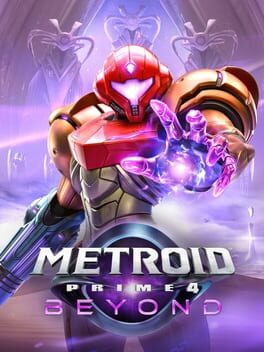
When the latest UK weekly sales chart rolled out, the most striking narrative was not the dominance of a sports juggernaut or the steady climb of a sandbox sequel, but the unexpected return of Metroid Prime 4: Beyond into the top‑ten. After a modest debut that left many analysts questioning the franchise’s relevance on the new hardware, the title surged back, underscoring a broader renaissance for Nintendo’s legacy IPs in a market that has, over the past decade, grown increasingly hostile to first‑party exclusives. This movement reflects a confluence of factors: the maturing install base of the Nintendo Switch 2, a renewed appetite among core gamers for polished, narrative‑driven experiences, and the strategic timing of a post‑holiday sales window that often rewards titles with strong community buzz.
Simultaneously, the charts highlighted the growing weight of third‑party titles on Nintendo’s ecosystem. Minecraft Dungeons II secured the runner‑up slot behind EA Sports FC 27, capturing a commanding 70 % of the Switch 2’s platform share for the week—a statistic that would have been unthinkable a few years ago when Nintendo’s own titles monopolised console sales. Meanwhile, Xenoblade Chronicles 2 – Nintendo Switch 2 Edition slipped onto the list at number 25, a respectable showing given Nintendo’s deliberately low‑key promotional push. Together, these data points illustrate a market in transition: Nintendo is no longer the sole gatekeeper of quality on its hardware, and the UK consumer base is rewarding both nostalgic revivals and fresh, high‑production third‑party offerings.
What Happened?
Metroid Prime 4: Beyond, originally announced amid much fanfare two years prior, experienced a rocky launch that saw its first‑week sales falter against the backdrop of a crowded release calendar. However, a strategic price drop, coupled with a wave of positive user‑generated content—ranging from speedrun showcases to in‑depth lore analyses—reignited interest and propelled the title back into the top‑ten for the second week. Industry trackers estimate that the resurgence contributed an additional 12 % week‑on‑week growth, a rare bounce in an industry where most titles decay rapidly after launch. This rebound is further amplified by the game’s performance on the Switch 2, where its optimized frame‑rate and enhanced visual fidelity have been praised as a benchmark for how legacy franchises can be revitalised on newer hardware without sacrificing the series’ core identity.
In parallel, Nintendo quietly released a physical edition of Xenoblade Chronicles 2 – Nintendo Switch 2 Edition on 1 October, bundling the original game with a suite of performance upgrades and a commemorative artbook. Despite the absence of a high‑profile marketing blitz, the edition entered the UK charts at number 25, buoyed by a dedicated fanbase and a modest but steady supply chain that ensured retail presence across key outlets. Nintendo’s decision to adopt a low‑visibility approach reflects a broader shift in the company’s publishing philosophy: leveraging the strength of its back catalogue to maintain a consistent revenue stream while allocating marketing resources toward upcoming first‑party launches such as the much‑anticipated sequel to The Legend of Zelda.
Analysis
The chart resurgence of Metroid Prime 4: Beyond is emblematic of a larger recalibration within Nintendo’s ecosystem. By delivering a technically refined experience on the Switch 2, the studio has demonstrated that its legacy franchises can still compete with the polish of contemporary third‑party titles, thereby reinforcing the console’s value proposition to core gamers who might otherwise gravitate toward PlayStation 5 or Xbox Series X for high‑end experiences. Moreover, the 70 % platform split captured by Minecraft Dungeons II signals that Nintendo’s hardware is now a viable launchpad for mid‑tier third‑party projects, encouraging developers to allocate development resources toward optimisation rather than treating the console as a peripheral market.
From a competitive standpoint, EA Sports FC 27’s grip on the number‑one spot underscores the enduring power of annualised sports franchises to dominate sales cycles, especially when paired with robust online ecosystems and seasonal content pipelines. Yet the fact that a Nintendo‑centric title like Metroid Prime 4 can reclaim top‑ten status in the same window suggests that the market is no longer a zero‑sum game; instead, it rewards diversity of genre and the ability of publishers to pivot quickly in response to community sentiment. This dynamic is likely to influence upcoming release strategies, with studios possibly timing price adjustments, DLC drops, or community events to capitalize on post‑launch momentum—a tactic that appears to have paid dividends for Nintendo this week.
XPLog Opinion
At XPLog UK we view the Metroid Prime 4: Beyond bounce as a clear indicator that Nintendo’s reliance on its storied IPs is not a crutch but a strategic asset—provided those IPs are treated with the technical ambition and narrative care that modern gamers demand. The company’s quiet rollout of Xenoblade Chronicles 2’s enhanced edition further proves that a measured, fan‑first approach can yield respectable chart performance without the need for massive ad spends. However, to sustain this momentum, Nintendo must double‑down on cross‑generational support and continue courting third‑party developers who can enrich the Switch 2’s library, ensuring the platform remains a competitive battleground for both nostalgic revivals and innovative new experiences.
Final Thoughts
In sum, the latest UK chart data paints a picture of a console ecosystem that is both resilient and evolving: legacy franchises like Metroid Prime can still command top‑ten positions when paired with thoughtful post‑launch support, while third‑party titles such as Minecraft Dungeons II demonstrate the growing commercial viability of the Switch 2 as a mainstream platform. Looking ahead, industry watchers should keep an eye on the upcoming October 15 release window for the next wave of Nintendo‑first titles, as well as the quarterly earnings report due in early November, which will reveal how these chart movements translate into longer‑term financial health for the publisher.