Overview
Minecraft remains the most adaptable intellectual property in modern gaming, having migrated from a sandbox phenomenon into books, merchandise, theme parks and now a series of genre‑bending spin‑offs. The original block‑building sandbox, launched in 2011, built a community whose expectations have evolved from pure creation to curated experiences, prompting Mojang and its parent Microsoft to experiment with structured gameplay loops that still feel unmistakably "Minecraft". In the current console climate, where the Nintendo Switch family dominates the family‑friendly co‑op niche, the arrival of Minecraft Dungeons II on the freshly unveiled Switch 2 is more than a simple sequel launch – it is a strategic move to cement the franchise’s relevance on a platform that prizes portability, social play, and a thriving indie ecosystem.
The dungeon‑crawling sub‑genre has seen a renaissance over the past five years, with titles such as Diablo IV, Hades, and the ever‑popular Torchlight III redefining loot‑driven progression for both hardcore and casual audiences. Minecraft Dungeons, first released in 2020, carved a modest niche by marrying Minecraft’s iconic visual language with a Diablo‑style core loop, offering an accessible entry point for younger players while still satisfying veteran loot hunters. By expanding the sequel into an open‑world format and leveraging the Switch 2’s upgraded GPU and SSD‑like storage, the developers aim to address long‑standing criticisms of linearity and shallow traversal, positioning the game as a flagship co‑op experience that can compete with both console‑first titles and the growing library of cloud‑streamed multiplayer adventures.
What Happened?
At the Nintendo Direct held earlier this month, Mojang Studios unveiled Minecraft Dungeons II for the Switch 2, confirming a launch window in early Q1 2027. The announcement highlighted a shift from the episodic, level‑by‑level progression of the 2020 title to a seamless, open‑world hub that encourages free exploration, side‑quest hunting, and emergent player‑driven storytelling. The game retains its signature blocky aesthetic but introduces a more detailed polygonal shading pipeline that takes advantage of the Switch 2’s ray‑tracing‑compatible cores, delivering richer lighting without sacrificing the series’ trademark clarity. Multiplayer remains a cornerstone, now supporting up to eight players in shared‑screen or online sessions, and a new “party sync” feature that lets friends join mid‑run without resetting progress.
Developer lead Emma Klein offered a candid post‑presentation interview, noting that the team’s primary goal was to reconcile the sandbox freedom that Minecraft fans cherish with the structured reward systems of a traditional RPG. She explained that the open‑world design was inspired by player feedback requesting “more to do between the boss fights,” and that the team iterated on traversal mechanics for months, adding wall‑run, glide, and a grappling hook to diversify combat rhythm. Klein also confirmed that the sequel will launch with a robust post‑launch content roadmap, including seasonal events, cross‑title cosmetics that tie into the main Minecraft universe, and a free‑to‑play battle‑pass model that respects the franchise’s historically low‑barrier pricing philosophy.
Analysis
From a market perspective, Minecraft Dungeons II arrives at a crossroads where Nintendo’s handheld dominance is being challenged by cloud‑gaming services and the upcoming generation of PlayStation 5 Pro and Xbox Series X S. By delivering a high‑fidelity yet highly optimized experience on the Switch 2, Microsoft can capture a segment of the family‑oriented co‑op market that has traditionally been the stronghold of Nintendo’s first‑party titles like Mario Party and Splatoon. The open‑world expansion also positions the game against heavyweight competitors such as Diablo IV, which continues to dominate the loot‑crawling conversation on PC and consoles; however, Dungeons II’s lower skill floor and built‑in cross‑platform progression could siphon a sizable portion of casual players who might otherwise gravitate toward the more demanding titles.
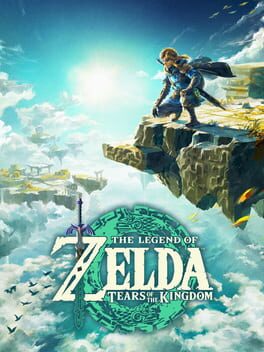
Technical hurdles remain, particularly in balancing the Switch 2’s power envelope with the game’s ambition for a living, breathing world populated by dozens of enemy archetypes and dynamic weather effects. Early benchmarks suggest that the developers have employed a hybrid streaming‑asset pipeline, loading procedural chunks from the console’s ultra‑fast NVMe cache, a technique reminiscent of the optimisations seen in The Legend of Zelda: Tears of the Kingdom. Should performance hiccups arise post‑launch, Microsoft’s willingness to push patches through its robust Xbox Live infrastructure could mitigate community backlash, but the initial launch window will be critical in establishing player trust, especially given the franchise’s reputation for delivering polished, family‑friendly experiences.
XPLog Opinion
At XPLog UK we view Minecraft Dungeons II as a calculated gamble that could pay dividends far beyond its immediate sales figures; by anchoring a high‑visibility, co‑op‑first title to the Switch 2, Microsoft not only widens its console ecosystem but also re‑asserts Minecraft’s role as a cultural glue that binds disparate gaming demographics. The decision to embrace an open‑world structure signals a maturation of the spin‑off line, acknowledging that today’s players demand both freedom and depth. If Mojang can deliver on the promised performance and sustain its post‑launch content cadence, the sequel will likely become the de‑facto entry point for families seeking a shared adventure, thereby reinforcing Minecraft’s position as a perpetual revenue engine for Microsoft.
Final Thoughts
In sum, Minecraft Dungeons II on the Switch 2 represents a bold evolution of a franchise that has always thrived on adaptability. By marrying an open‑world design with Nintendo’s portable powerhouse, the game stands to reshape expectations for co‑op dungeon crawlers on handheld hardware. Players should keep an eye on the official launch date slated for early 2027, with the first wave of seasonal content expected shortly thereafter, and watch how the title’s performance influences future cross‑platform strategies for both Microsoft and Nintendo.
.png)
 XPLog
04 Oct 2026
5 min read
XPLog
04 Oct 2026
5 min read