.png)
Overview
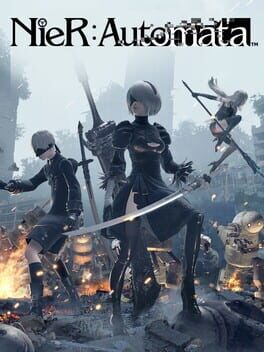
Since her debut in 2009, Bayonetta has become a touchstone of high‑octane action design, marrying PlatinumGames' signature combat choreography with a flamboyant, over‑the‑top protagonist who defies genre conventions. The original title not only revived the hack‑and‑slash formula on the Xbox 360 and PlayStation 3, but it also cemented Platinum’s reputation as a studio capable of delivering pure, unadulterated gameplay joy—a reputation later reinforced by titles such as Nier: Automata and Astral Chain. Over the past decade, the franchise has weathered platform transitions, a lukewarm reception to Bayonetta 3’s narrative ambitions, and a shifting marketplace where live‑service shooters dominate the sales charts, yet its core fanbase remains fiercely loyal, regularly championing the series at conventions and on social media.
In the current console ecosystem, where exclusivity deals and cross‑generational branding have become strategic weapons, PlatinumGames’ president Atsushi Inaba is positioning Bayonetta as a keystone property that can bridge the gap between legacy fans and a new generation of players hungry for stylised, skill‑based combat. The announcement arrives at a moment when Nintendo, Sony, and Microsoft are all courting distinct demographics: Nintendo leans on family‑friendly IP, Sony leans on narrative depth, while Microsoft pushes subscription value. A revitalised Bayonetta could serve as a wildcard, offering a high‑skill, high‑visibility title that appeals to both hardcore and mainstream audiences, potentially influencing platform negotiations and future revenue streams for the studio.
What Happened?
During a recent industry panel, Inaba hinted that the next chapter for Bayonetta will extend beyond the confines of a single sequel, suggesting an ambition to broaden the character’s mythos and explore untapped narrative territories. While he stopped short of confirming a concrete roadmap, his remarks indicated a willingness to experiment with new gameplay systems, expanded world‑building, and perhaps even collaborative ventures with other developers. The subtext was clear: Platinum intends to treat Bayonetta not merely as a recurring franchise but as a living universe capable of supporting multiple entry points, from mainline titles to spin‑offs and transmedia experiences.
Adding weight to the speculation, the director of Stellar Blade—a highly anticipated action‑adventure that shares Platinum’s DNA of fluid combat—publicly described Bayonetta as “indispensable” to the studio’s identity. This endorsement signals internal alignment on the importance of the witch as a flagship figure, and it hints that resources earmarked for upcoming projects may be reallocated to ensure Bayonetta’s evolution receives top‑tier talent and budget. Industry observers are already linking the two, speculating that mechanics pioneered in Stellar Blade could be cross‑pollinated into Bayonetta’s next iteration, potentially delivering a hybrid system that marries the series’ signature bullet‑time evasion with deeper RPG elements.
Analysis
The strategic timing of this expansion cannot be divorced from broader market dynamics. With the current console generation reaching maturity, publishers are scrambling to secure evergreen IPs that can sustain long‑term engagement without the need for costly live‑service infrastructures. Bayonetta, with its strong brand equity and proven sales spikes during launch windows, offers a low‑risk, high‑reward platform for Platinum to experiment with new monetisation models—be it episodic DLC, cosmetic micro‑transactions, or cross‑platform play that could broaden the player base beyond the traditional console crowd. Moreover, the competitive landscape is increasingly crowded; Ubisoft’s Assassin’s Creed and Square Enix’s Final Fantasy titles dominate the action‑RPG space, while indie studios push the envelope on combat innovation. By reinforcing Bayonetta’s core identity while layering fresh systems, Platinum can carve a niche that differentiates it from both AAA juggernauts and nimble indie offerings.
Technical hurdles remain, however. The original Bayonetta engine was built around the constraints of the Xbox 360/PS3 era; modern hardware demands a scalable architecture that can support higher fidelity assets, ray‑traced lighting, and seamless online features. Transitioning to a next‑gen engine—potentially Unreal Engine 5 or a heavily upgraded proprietary framework—will require a substantial engineering effort, particularly to preserve the series’ hallmark responsiveness. Additionally, the narrative expansion risks alienating purists if it leans too heavily into exposition at the expense of kinetic gameplay. Balancing these factors will be pivotal in determining whether the series can sustain its “indispensable” status in an industry that increasingly rewards both spectacle and depth.
XPLog Opinion
At XPLog UK we view Inaba’s ambition as a calculated gamble that could redefine Platinum’s market positioning: by treating Bayonetta as a multi‑layered franchise rather than a single‑title flagship, the studio stands to unlock new revenue streams while reaffirming its reputation for pure gameplay excellence—a rarity in today’s narrative‑heavy climate. If executed with the meticulous polish that defined the original, the next Bayonetta could become the rallying point for the “hardcore core” segment that feels underserved by the current wave of live‑service titles, thereby re‑energising the community and cementing Platinum’s relevance for the next console cycle.
Final Thoughts
The forthcoming expansion of Bayonetta signals more than just a new game; it heralds a strategic pivot for PlatinumGames toward a franchise‑centric model that could influence console negotiations, shape player expectations, and set a benchmark for how legacy action titles evolve in a subscription‑driven market. Keep an eye on official announcements slated for early 2027, when Platinum is expected to reveal concrete details, platform partnerships, and a tentative release window that could redefine the competitive landscape for high‑skill action games.