.png)
Overview
When Jagex first launched the original RuneScape in 2001, it did so on a modest browser‑based platform that would soon become a cultural touchstone for an entire generation of players. Over two decades the franchise has weathered the rise and fall of countless MMO titans, reinventing itself through major graphical overhauls, the introduction of subscription‑plus‑microtransaction hybrids, and the daring split between Old School RuneScape and RuneScape 3. This evolutionary path has kept the brand relevant, but it has also left a lingering question in the minds of long‑time fans: can RuneScape continue to grow without alienating the community that built it?
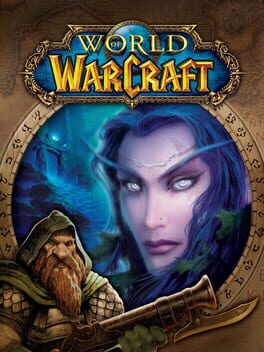
Today’s MMO market is a crowded arena dominated by heavyweight franchises such as World of Warcraft, Final Fantasy XIV, and the ever‑expanding live‑service titles from Epic and Ubisoft. Meanwhile, the free‑to‑play model has become a de‑facto standard for new entrants, while subscription services are being re‑imagined through tiered passes and cross‑title bundles. Jagex’s announcement of a fourth RuneScape entry arrives at a moment when the industry is recalibrating the balance between accessibility and premium experiences, making the timing of this reveal as strategic as it is ambitious.
What Happened?
During a streamed developer summit earlier this week, Jagex lifted the veil on what they are internally referring to as the “fourth RuneScape” – a brand‑new massively multiplayer online game that will sit alongside the existing Old School and RuneScape 3 titles. The company emphasized that this new venture is being built on a completely fresh engine, designed to harness modern rendering pipelines, ray‑traced lighting, and a more robust server architecture capable of supporting seamless cross‑region play. While the visual showcase hinted at a richly detailed world that blends the series’ iconic fantasy aesthetic with next‑gen fidelity, Jagex was careful to stress that the core gameplay loops—skill training, questing, and player‑driven economies—will remain true to the franchise’s DNA.
Jagex’s lead creative director, in a post‑event interview, outlined a roadmap that positions the new MMO as both a nostalgic homage and a forward‑looking experiment. The team plans to open a closed beta later this year, inviting a curated mix of veteran RuneScape veterans and newcomers to test the new systems. A public launch is tentatively slated for early 2025, with a monetisation model that appears to blend free‑to‑play access with optional subscription tiers that unlock quality‑of‑life enhancements, reminiscent of the “Members” system but expanded to include cosmetic, convenience, and early‑access content. The announcement also hinted at cross‑platform play, suggesting that PC, console, and potentially mobile users will share a single, persistent world.
Analysis
From a market perspective, the introduction of a fourth RuneScape title could serve as a catalyst for re‑energising Jagex’s revenue streams at a time when the broader MMO sector is experiencing modest growth after years of plateauing subscriptions. By leveraging a hybrid free‑to‑play‑plus‑subscription model, Jagex positions itself to capture both the low‑barrier entry of casual players and the higher‑spending segment that values premium content. This dual‑track approach mirrors successful strategies employed by titles like Final Fantasy XIV’s “All‑Access” pass, and if executed well, could mitigate the risk of cannibalising its existing player bases while expanding its overall market footprint.
Technically, the decision to rebuild on a new engine is a double‑edged sword. On one hand, it grants Jagex the flexibility to implement modern networking solutions, dynamic weather systems, and high‑resolution assets that were previously constrained by the legacy technology stack. On the other hand, the development timeline may be stretched by the challenges of scaling a live service across multiple platforms, especially when aiming for parity in performance and content updates. The industry has seen similar pitfalls with ambitious launches—such as the rocky rollout of Anthem’s shared‑world features—underscoring the importance of a phased rollout and rigorous QA processes to preserve player trust.
XPLog Opinion
At XPLog UK we view Jagex’s fourth RuneScape as a bold, if risky, evolution that could redefine the franchise’s place in the modern MMO hierarchy. The company’s willingness to invest in a brand‑new engine and embrace cross‑platform connectivity signals a recognition that the next wave of player engagement will be defined by flexibility and visual fidelity. If Jagex can deliver a seamless experience that respects the series’ legacy while offering fresh, competitive content, it stands to not only retain its loyal core but also attract a new generation of gamers who expect console‑grade polish from free‑to‑play titles.
Final Thoughts
In sum, the fourth RuneScape represents a high‑stakes gamble that could pay dividends by revitalising Jagex’s portfolio and expanding its influence across the fragmented MMO landscape. Players should keep an eye on the upcoming closed‑beta dates, anticipated for late 2024, and watch for further details on the subscription tiers that will shape the long‑term health of the ecosystem. Whether this new chapter will become a landmark title or a cautionary footnote will hinge on Jagex’s ability to balance ambition with execution, a challenge that will define the next few years of online gaming.