.png)
Overview
October 2026 arrives at a pivotal moment for Nintendo’s hybrid hardware lineup, as the original Switch and its successor, the Switch 2, find themselves simultaneously stocked with a flood of fresh content. The company’s decision to support both generations for another full year is a direct response to the lingering inventory of the first‑generation console, the sustained demand from a global install base that now exceeds 125 million units, and the strategic desire to keep the ecosystem vibrant while the Switch 2’s premium hardware matures. Historically, Nintendo has rarely maintained a dual‑generation window longer than six months—recall the brief overlap between the Wii U and Switch in 2017—making this extended coexistence a bold gamble that could reshape console lifecycle expectations across the industry.
Beyond raw numbers, the October slate reflects a broader trend of third‑party publishers finally reconciling with Nintendo’s unique architecture. After years of perceived neglect, titles like Call of Duty, a franchise that has never before graced a Nintendo platform, now headline the month’s announcements. Simultaneously, family‑centric staples such as Minecraft continue to cement Nintendo’s reputation as the go‑to console for shared, couch‑co‑op experiences. This confluence of blockbuster shooters and universally accessible games underscores Nintendo’s dual‑pronged strategy: attract the core, high‑spending demographic while retaining its loyal, family‑oriented community.
What Happened?
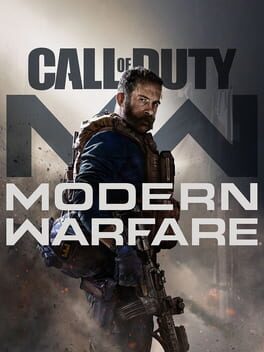
During a livestream hosted by veteran Nintendo personalities Mai and Jim, the company unveiled fifteen new releases slated for launch across both Switch models in October. The lineup spans a spectrum of genres: from the gritty, multiplayer‑focused Call of Duty: Modern Warfare II – Nintendo Edition, which has been re‑engineered to run at 30 fps on the original Switch and 60 fps on the Switch 2, to lighter fare like a new Minecraft: Bedrock Update that introduces cross‑play with Xbox and PlayStation ecosystems for the first time on Nintendo hardware. The announcements also included several indie gems, a refreshed version of the beloved platformer “Celeste” with exclusive Nintendo Switch‑only levels, and a surprise collaboration between Nintendo and Square Enix for a remastered “Final Fantasy VII Remake” optimized for handheld play.
Crucially, each title comes with a clear distribution strategy that leverages both physical cartridges and Nintendo eShop digital releases, a move designed to appease collectors while capitalizing on the growing trend of digital-first consumption. Developers highlighted the technical compromises and innovations required to bring AAA‑scale shooters to the Switch’s Tegra‑X1 chip, noting that the Switch 2’s upgraded Nvidia Ada‑Lite GPU enables ray‑traced lighting effects previously impossible on the original hardware. Publisher statements emphasized a shared revenue model that rewards higher eShop sales, signaling Nintendo’s confidence that its improved storefront will sustain long‑term profitability for partners.
Analysis
The arrival of a first‑party shooter of Call of Duty’s magnitude on Nintendo hardware marks a watershed moment that could reverberate through the console wars. Historically, Nintendo’s console market share has been buoyed by exclusive franchises, but the platform’s perceived hardware limitations have deterred many AAA studios. By demonstrating that a high‑profile, network‑intensive title can be ported with acceptable performance, Nintendo may unlock a pipeline of future collaborations, potentially eroding the dominance of PlayStation and Xbox in the mid‑tier shooter segment. Moreover, the dual‑generation release strategy mitigates risk for developers: they can target the larger install base of the original Switch while showcasing the technical headroom of the Switch 2, thereby future‑proofing their investments.
From a market perspective, the October launch window is strategically positioned ahead of the holiday season, allowing publishers to capture early adopters and generate sustained sales momentum into Q4. The inclusion of cross‑play features in Minecraft signals a shift in Nintendo’s traditionally closed ecosystem, aligning it more closely with industry standards set by Microsoft and Sony. This openness could encourage further third‑party engagement, but it also raises questions about how Nintendo will balance its unique user experience with the homogenization of online services. If executed well, the move may broaden the console’s appeal without diluting the brand identity that has kept Nintendo distinct for decades.
XPLog Opinion
At XPLog UK, we view October’s roster as a decisive inflection point: Nintendo is no longer content to rely solely on its first‑party juggernauts. By courting heavyweight franchises and delivering them across both hardware generations, the company signals a willingness to evolve its platform philosophy, embracing a more inclusive, performance‑driven future while still honoring the family‑friendly ethos that defines the brand. This balanced approach could well cement Nintendo’s relevance in an increasingly competitive console market, provided the company continues to invest in robust online infrastructure and maintains the high quality of its exclusive titles.
Final Thoughts
In summary, the October 2026 wave of fifteen new Switch titles is more than a simple calendar of releases; it is a litmus test for Nintendo’s dual‑generation strategy, its relationship with third‑party developers, and its capacity to adapt to evolving player expectations. As the launch dates roll out—starting with Call of Duty on October 7 and culminating with the Final Fantasy VII Remake on October 31—observers should watch sales figures, player engagement metrics, and community feedback closely, as they will likely dictate the next chapter of Nintendo’s hardware roadmap and its standing in the broader console ecosystem.