.png)
Overview
When Nintendo unveiled the Switch 2 in early 2025, the industry watched with a mixture of anticipation and skepticism. The handheld market had been squeezed by powerful rivals such as the Steam Deck, while mobile gaming continued to siphon casual players away from traditional consoles. Nintendo’s legacy, however, rests on its uncanny ability to reinvent its core hardware every few years, turning perceived setbacks into cultural moments. The Switch 2 arrived with a more efficient Nvidia‑based SoC, a brighter OLED screen, and a promise of near‑native performance for titles that previously demanded a docked environment. Yet, hardware alone does not dictate success; the ecosystem of games, services, and community sentiment remains the decisive factor.
To gauge that sentiment, XPLog UK partnered with Nintendo Life to field a 64‑question Summer Survey in 2026, mirroring a similar effort in 2024 that mapped the post‑Switch‑Lite landscape. The questionnaire delved into daily play habits, purchasing preferences in an era dominated by subscription bundles, and, crucially, hopes for the Switch 2’s software slate. By the time the data rolled in, the console had been on shelves for over a year, giving respondents enough hands‑on experience to move beyond hype and assess real‑world performance, battery life, and the evolving value proposition of Nintendo’s hybrid platform.
What Happened?
The survey results painted a nuanced picture. A solid 68% of respondents reported playing on the Switch 2 at least three times per week, a modest rise from the 58% recorded in the 2024 poll, indicating growing comfort with the new hardware. However, the data also revealed a split in purchasing behavior: while 42% still favored physical cartridges for collector’s value and resale potential, a burgeoning 35% embraced Nintendo’s burgeoning “Game Pass‑style” subscription, which bundles first‑party releases with indie titles for a flat monthly fee. This shift mirrors broader industry trends where subscription services are reshaping revenue streams, challenging the traditional “pay‑once‑own‑forever” model that Nintendo has long championed.
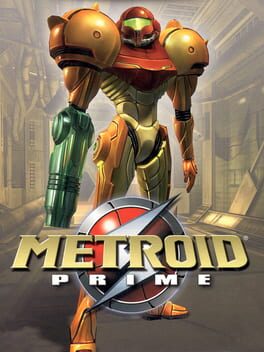
Perhaps the most striking insight came from the open‑ended question about future hopes. A recurring theme was the desire for a “Kid Icarus” revival, with 27% of respondents explicitly naming the franchise as a top wish‑list item. This reflects a generational yearning for legacy IPs to be reimagined for modern hardware—a pattern seen with the successful resurgence of “Metroid Prime” and “Fire Emblem” on the original Switch. Moreover, respondents expressed strong enthusiasm for cross‑play capabilities with other platforms, a feature Nintendo has historically resisted but now appears to be under serious consideration, especially as the company seeks to retain players who have migrated to competing ecosystems.
Analysis
From a market perspective, the incremental rise in weekly playtime suggests that the Switch 2’s hardware refinements are translating into deeper engagement, a critical metric for long‑term profitability. Yet the split between physical and subscription purchases signals a potential pivot point for Nintendo’s revenue architecture. If the subscription model continues to gain traction, Nintendo could leverage its vast first‑party catalogue to create a compelling, tiered offering that rivals Sony’s PlayStation Plus and Microsoft’s Game Pass, thereby securing a steadier cash flow and reducing reliance on front‑loaded game launches.
Competitor dynamics add another layer of complexity. Sony’s PlayStation 5 Pro, slated for a 2026 release, promises ray‑traced graphics and a robust backward‑compatibility library, while Microsoft’s Xbox Series X2 emphasizes cloud integration. Nintendo’s hybrid advantage remains unique, but the pressure to deliver “next‑gen” experiences is mounting. The survey’s appetite for legacy IP revivals, such as Kid Icarus, indicates that Nintendo’s strategic sweet spot lies in marrying nostalgic franchises with modern gameplay innovations—a formula that can differentiate its software pipeline from the more hardware‑centric roadmaps of its rivals.
XPLog Opinion
At XPLog UK, we view the Switch 2 Summer Survey as a litmus test for Nintendo’s next strategic chapter: the company must double‑down on its hybrid identity while embracing the subscription economy that is reshaping console economics. The clear player demand for revived classics and cross‑platform connectivity suggests that Nintendo cannot remain insular if it wishes to retain its core audience and attract new entrants. A bold move—perhaps a “Nintendo Switch Unlimited” service that bundles revived IPs, indie gems, and cloud‑streamed titles—could turn the modest subscription uptake into a dominant revenue pillar, ensuring the Switch 2 remains relevant through 2030 and beyond.
Final Thoughts
In sum, the 2026 Switch 2 Summer Survey confirms that Nintendo’s hybrid console is solidifying its foothold, but the road ahead hinges on how adeptly the publisher adapts its business model to evolving consumer expectations. Keep an eye on Nintendo’s upcoming “Mid‑Year Showcase” in March 2027, where we anticipate concrete announcements regarding subscription tiers, potential Kid Icarus titles, and perhaps the first hints of cross‑play support—a trifecta that could redefine the company’s position in a fiercely competitive console landscape.